Not all home improvements pay off equally. Learn which 2026 projects deliver real returns and which ones drain your budget without moving the needle on your home's value.
The home improvement landscape has shifted dramatically. Harvard researchers project that Americans will spend a record $524 billion on remodeling projects in early 2026, which means competition is fierce when you eventually sell. Your renovations need to stand out, but more importantly, they need to make financial sense for your specific property.
Here’s the reality: the average home improvement returns just 69% of its cost at resale. That means for every $10,000 you spend, you’re typically getting back $6,900 in added home value. Some property value boosters do far better. Others do far worse. Understanding which home improvement projects deliver the highest ROI in 2026 is the difference between building equity and burning cash.
The key is knowing which category your planned renovation falls into before you write the check. Your home’s value is tied to your neighborhood’s comps, local buyer preferences, and current market conditions in Wake County, NC and Horry County, SC. What works in a $475,000 Wake County home might be overkill in a different market. Smart homeowners match their renovation scope to their specific situation, focusing on kitchen equity, bathroom renovation value, and strategic flooring upgrades that buyers actually notice and pay for.

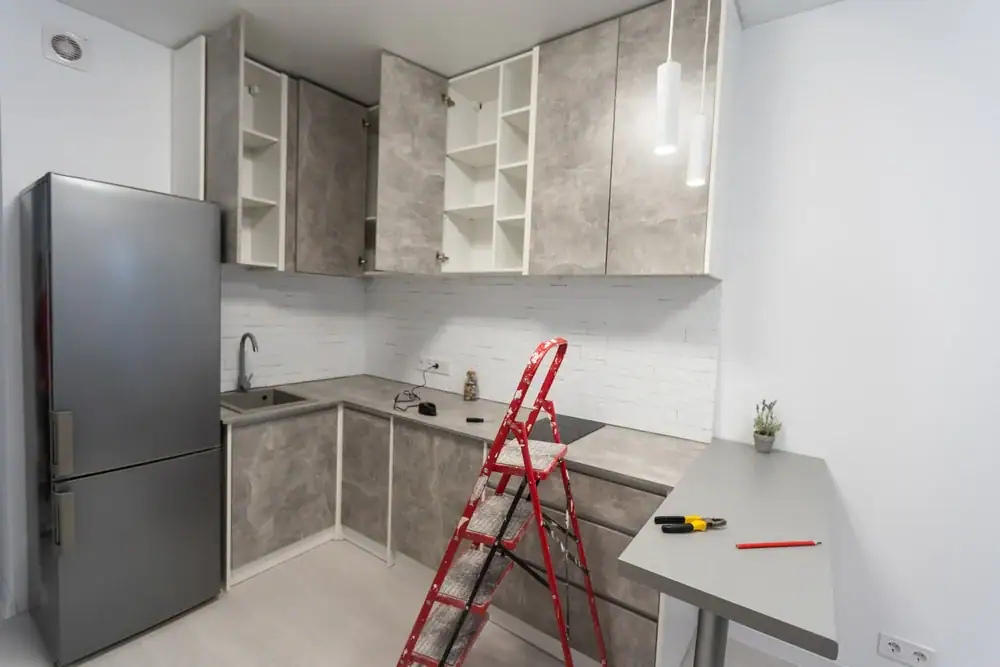
Let’s start with the winner: minor kitchen remodels deliver the highest ROI among interior projects at up to 113%. This isn’t about gutting everything and starting over. It’s about strategic updates that transform how your kitchen looks and functions without the massive price tag that tanks your return.
What counts as a minor remodel? Think cabinet refacing instead of full replacement, where you keep the existing boxes but update doors, drawer fronts, and hardware. Add new quartz or granite countertops, upgrade to energy-efficient appliances, install a fresh backsplash, and improve the lighting. You’re typically looking at $14,550 to $27,492 for this scope of work.
The return is impressive. A $25,000 investment typically adds $18,000 to $24,000 to your home value at resale, giving you a 72-96% return depending on execution and market conditions. Compare that to a major kitchen overhaul costing $50,000 to $85,000, which only recoups 38-50% of the cost. The lesson? More isn’t always better when it comes to building kitchen equity.
Here’s why minor remodels work so well. Buyers want modern, functional kitchens, but they’re not willing to pay a premium for ultra-luxury finishes that exceed neighborhood standards. A $100,000 kitchen in a $300,000 home is over-improvement, and you won’t get that money back. But a thoughtful $25,000 update that makes the space feel current and clean? That’s exactly what moves the needle on property value.
The key is keeping your existing layout whenever possible. Moving plumbing, electrical, and gas lines adds thousands to your budget without proportional returns. Focus your dollars on the surfaces people see and touch: countertops, cabinets, backsplash, and lighting. These deliver the biggest visual impact for the cost.
Professional cabinet refacing runs $4,000 to $9,000 depending on kitchen size. Quartz countertops for a 200-square-foot kitchen cost $3,000 to $5,000 installed. A mid-range appliance package (refrigerator, range, dishwasher, microwave) runs $4,000 to $8,000. A ceramic tile backsplash adds $800 to $1,500 installed. Add it up, and you’re transforming your kitchen’s entire look for a fraction of what a full remodel costs, while getting back nearly all of it when you sell.
One more thing: stick with timeless choices. Neutral palettes, quality finishes, and classic layouts age gracefully and maintain their value longer than trendy colors or unconventional designs that limit your buyer pool.
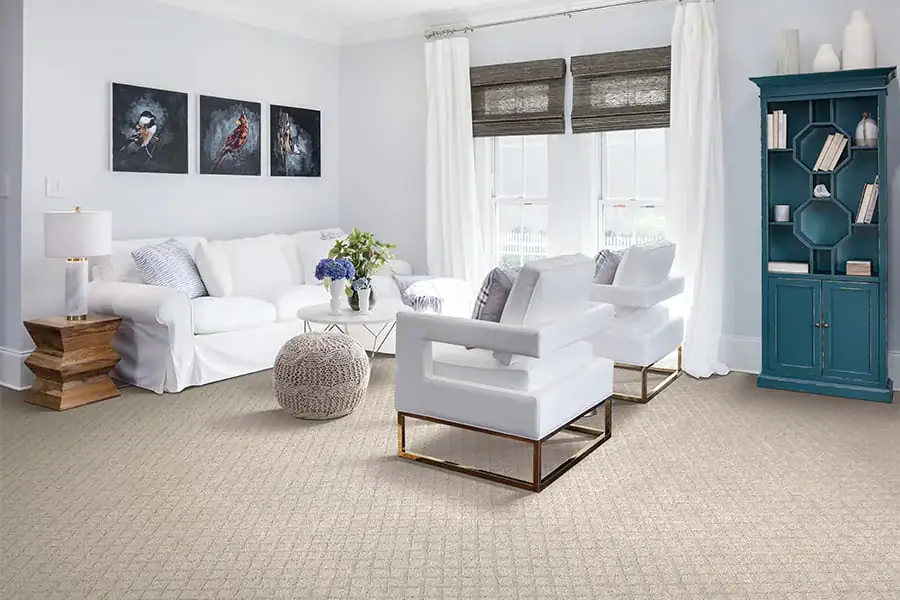
Flooring is one of those things buyers notice immediately, even if they don’t realize they’re noticing it. Worn carpet, mismatched floors, or dated tile creates an instant negative impression. Updated flooring, on the other hand, makes every room feel cleaner, larger, and better maintained.
Hardwood flooring delivers the highest ROI at 75-85%, adding approximately 2.5% more resale value than other flooring options. There’s a reason for that. Listings for homes with hardwood floors receive 261 views daily on average, and 54% of buyers are willing to pay a premium for this feature. It signals quality, durability, and timeless style that never goes out of fashion.
But here’s where it gets interesting: luxury vinyl plank (LVP) delivers 70-80% ROI at roughly half the cost of hardwood. For high-traffic areas, kitchens, or homes with kids and pets, LVP offers water resistance, scratch resistance, and the appearance of real wood without the maintenance headaches. Most homeowners find about a 70% ROI on new floors when they sell their house, which makes this one of the more reliable investments you can make.
The rooms that matter most? Your kitchen and primary bathroom, where buyers form their strongest emotional connections. These spaces yield 70-80% returns when upgraded with tile or luxury vinyl. Living rooms follow closely behind, especially in open-concept homes where the flooring flows seamlessly from one space to another.
Here’s what doesn’t work: new carpet in main living areas. While brand-new carpet in bedrooms is fine, buyers increasingly prefer hard surfaces in common areas. Carpet also doesn’t photograph well in listings, and it raises questions about what might be hiding underneath. If you’re prepping to sell, ripping out old carpet to reveal or install hardwood or LVP is almost always the better move.
Refinishing existing hardwood floors is even better from an ROI standpoint, returning up to 147% with an estimated cost of $3,400 and a resale value of $5,000. If you already have hardwood under that carpet or your existing floors just need some love, this is one of the highest-return projects you can tackle.
One critical detail: consistency matters. You want flooring to flow naturally from room to room, especially in open-plan areas. Walking from cherry-colored hardwood in the foyer into a living room that’s three shades lighter breaks the visual flow and makes buyers subconsciously uncomfortable. Match your flooring as closely as possible to create that cohesive feeling when someone first walks in your door.
Location-specific tip for Wake County and Horry County: both markets show strong preference for durable, low-maintenance flooring options that can handle humidity and temperature fluctuations. Luxury vinyl plank performs exceptionally well in these climates, while solid hardwood in basements or bathrooms should be avoided in favor of engineered wood or tile.
Want live answers?
Connect with a American Dream Floor expert for fast, friendly support.
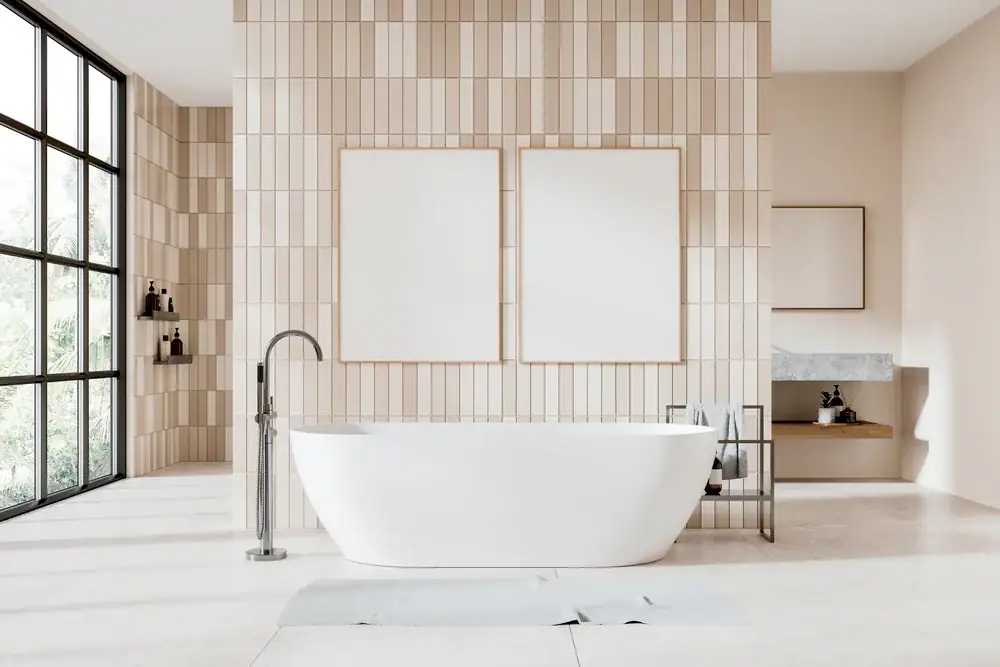
Bathrooms rank second only to kitchens in terms of buyer importance, and they often deliver slightly higher ROI due to smaller project size. A mid-range bathroom remodel offers the highest return at 80% compared to budget updates or luxury overhauls, making it one of the smartest property value boosters you can invest in.
What defines mid-range? You’re updating fixtures, replacing tile, installing a new vanity with quality countertops, upgrading lighting, and refreshing the overall look without changing the layout. For a full bathroom, expect to invest $16,000 to $28,000. For a guest bathroom, $14,000 to $22,000. Half baths run $5,390 to $8,385.
The return on these projects is solid. Bathroom remodels can increase property value by up to 74% of the renovation cost, making this one of the stronger interior investments you can make. More importantly, bathrooms signal to buyers that a home has been well maintained and is move-in ready, which translates to faster sales and stronger offers.
Buyers today want bathrooms that feel like spa experiences. Walk-in showers with frameless glass enclosures, double-sink vanities, soaking tubs, ample storage, and modern fixtures all rank high on wish lists. But here’s the catch: ultra-luxury features don’t always translate into higher resale value. Heated floors, rainfall showerheads, and high-end tile work are nice, but buyers in mid-range markets won’t pay extra for them.

If you’re renovating a bathroom, two upgrades deliver the most bang for your buck: walk-in showers and modern vanities with integrated storage. These aren’t just trendy features; they’re practical improvements that buyers actively seek out and pay for.
Homebuyers increasingly prefer spacious showers over traditional tubs, particularly in primary bathrooms. Frameless glass enclosures make bathrooms feel larger and brighter, which directly influences perceived home value. From a usability standpoint, walk-in showers are safer, easier to clean, and more accessible for aging homeowners, which expands your potential buyer pool significantly.
Features like curbless entry, slip-resistant tile, and built-in benches add both comfort and long-term appeal without excessive cost. A well-designed walk-in shower can completely transform how a bathroom feels, and buyers notice this immediately during showings. It’s the difference between a bathroom that feels dated and one that feels like a private retreat.
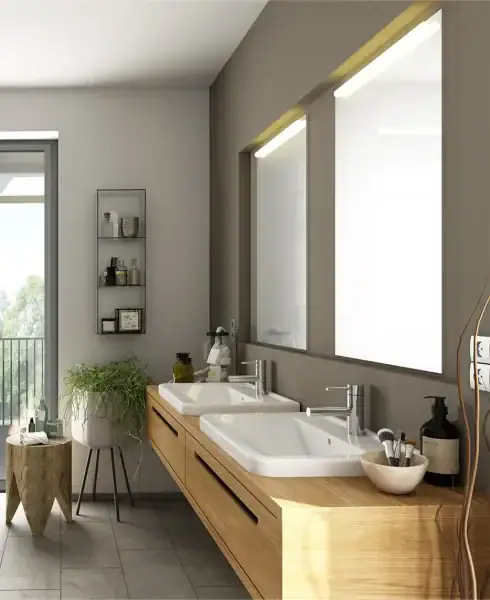
Vanities matter just as much. A dated vanity instantly ages a bathroom, while a well-designed replacement transforms it. Double-sink vanities in shared bathrooms and floating vanities in smaller spaces are especially attractive to buyers because they improve both aesthetics and functionality without eating up floor space.
Materials matter here. Solid wood cabinets, quartz countertops, and soft-close hardware signal quality and durability. Adequate storage reduces clutter, making the bathroom feel larger and more usable, which is an important factor in buyer decision-making. When someone opens a vanity door during a showing and sees thoughtful organization, it creates a positive impression that carries through the rest of the tour.
High-quality fixtures also increase value by improving performance, durability, and visual appeal. Buyers notice mismatched or outdated fixtures immediately. Coordinated finishes like brushed nickel or matte black create a cohesive, modern look that photographs well and feels intentional rather than pieced together over time.
Water-efficient fixtures are particularly valuable in 2026. Low-flow toilets and faucets reduce utility costs and align with eco-conscious buyer preferences, making them both practical and marketable upgrades. These aren’t just nice-to-haves anymore; they’re increasingly expected in updated homes, especially in markets focused on sustainability and energy efficiency.
One more consideration: professional installation matters. Bathroom renovations involve complex waterproofing, plumbing, and electrical work that can cause expensive problems if done incorrectly. Buyers consistently trust professionally remodeled bathrooms more than DIY projects, especially when permits, warranties, and documented work are provided. This added credibility directly supports higher offers and faster sales.
Even small bathroom updates add value when they focus on visual refreshes, efficient fixtures, and improved functionality. Simple changes like replacing mirrors, updating hardware, repainting with moisture-resistant paint, or upgrading lighting can dramatically improve a bathroom’s appearance without a full remodel. Sometimes the smartest move is knowing what you don’t need to change.
Here’s something most homeowners don’t expect: exterior projects often deliver better ROI than interior renovations. The reason is simple. Curb appeal projects directly impact a potential buyer’s first impression of your home, and you never get a second chance to make that first impression. If they’re not excited before they walk through the door, nothing inside will fully compensate.
Garage door replacement takes the crown in 2026 with a stunning 268% ROI. That means a $4,513 investment adds $12,102 in value. This isn’t a typo. Replacing a drab, dented, or non-insulated garage door with a modern, high-quality insulated unit instantly updates your home’s look and signals superior maintenance. This simple, visible upgrade often delivers more value than costlier cosmetic work inside.
Steel entry door replacement also performs exceptionally well at 216% ROI. A modern, secure front door with updated hardware creates an immediate impression of quality and care. Buyers see it, touch it, and walk through it before they see anything else about your home. It sets expectations for everything that follows.
Manufactured stone veneer delivers 90-95% ROI by transforming a plain facade into something that looks custom and upscale. The installation typically focuses on high-impact areas like the lower portion of the front facade, around entry doors, or as accent features on chimney exteriors. The manufactured product has improved dramatically in recent years, with textures and colors that convincingly mimic natural stone while being lighter, easier to install, and more uniform than the real thing.
Fiber cement siding replacement consistently ranks among the best long-term exterior projects, often returning 75% or more of the project cost. Fiber cement offers the look of wood with superior durability and fire resistance. While it’s a more substantial investment than a door, it addresses curb appeal, maintenance, and energy efficiency all at once, making it a comprehensive property value booster.
Fresh exterior paint, updated landscaping, and well-maintained yards also deliver strong returns. An attractive, well-maintained yard can increase a home’s perceived value by 5% to 15%+ depending on location and design. The key is choosing low-maintenance, climate-appropriate options that look intentional and cared for rather than requiring constant weekend work.
For Wake County and Horry County specifically, native plantings, permeable walkways, and shaded seating areas are particularly attractive in 2026. Buyers want outdoor spaces that feel like extensions of the home without requiring constant upkeep. Simple updates like trimmed shrubs, blooming flowers, and native plants yield up to 104% ROI through basic maintenance, making this one of the most cost-effective improvements you can make.
Outdoor living spaces are increasingly popular as well. Adding a deck or patio provides additional entertaining space while enhancing curb appeal. A wood deck gives you 45-55% ROI, and you can build one for around $3,600 to $7,200, meaning you can often break even or see positive returns on this project. Features like built-in seating, outdoor kitchens, and fire pits can transform a simple outdoor area into a desirable retreat that buyers remember.
One often-overlooked detail: clean windows improve both interior and exterior presentation. Natural light appears brighter when glass is clear, and buyers often associate clean windows with good overall maintenance. This is one of the most affordable improvements you can make, yet it signals care and attention to detail that influences how buyers perceive the entire property.
The bottom line on curb appeal: these projects work because they set expectations before buyers even walk through the door. If the exterior looks tired, dated, or poorly maintained, buyers assume the interior will be the same, no matter how much you’ve invested inside. But when the exterior looks sharp, clean, and well-cared-for, buyers give you the benefit of the doubt on everything else, and that psychological advantage is worth thousands at closing.
Here’s what it comes down to: not every renovation makes financial sense, but the right ones can significantly boost your property value while improving how you live in your home right now. Minor kitchen remodels, strategic flooring upgrades, mid-range bathroom renovations, and high-impact curb appeal projects consistently deliver the strongest returns in 2026.
The key is matching your renovation scope to your home’s value, your neighborhood’s standards, and your timeline. If you’re selling within two years, focus on cosmetic updates that deliver immediate visual impact without over-improving. If you’re staying longer, invest in projects that improve both your daily life and your eventual resale value. Either way, understanding home improvement ROI in 2026 helps you make decisions with confidence rather than guesswork.
Avoid the expensive mistakes: over-improving beyond your neighborhood, choosing ultra-luxury finishes that don’t recoup costs, and changing layouts unnecessarily. Stick with timeless materials, professional installation, and projects that appeal to the broadest buyer pool. That’s how you build real equity instead of just spending money on things that look nice but don’t pay back.
If you’re ready to make strategic improvements to your Wake County, NC or Horry County, SC home, we bring over 30 years of experience helping homeowners maximize their property value through smart flooring, kitchen, and bathroom upgrades. We understand what works in these specific markets and can guide you toward projects that deliver real returns, not just pretty pictures.
Summary:
Article details:
Share: