The right cabinet hardware transforms how your kitchen operates—quieter closures, easier access, and finishes that actually last through daily use.
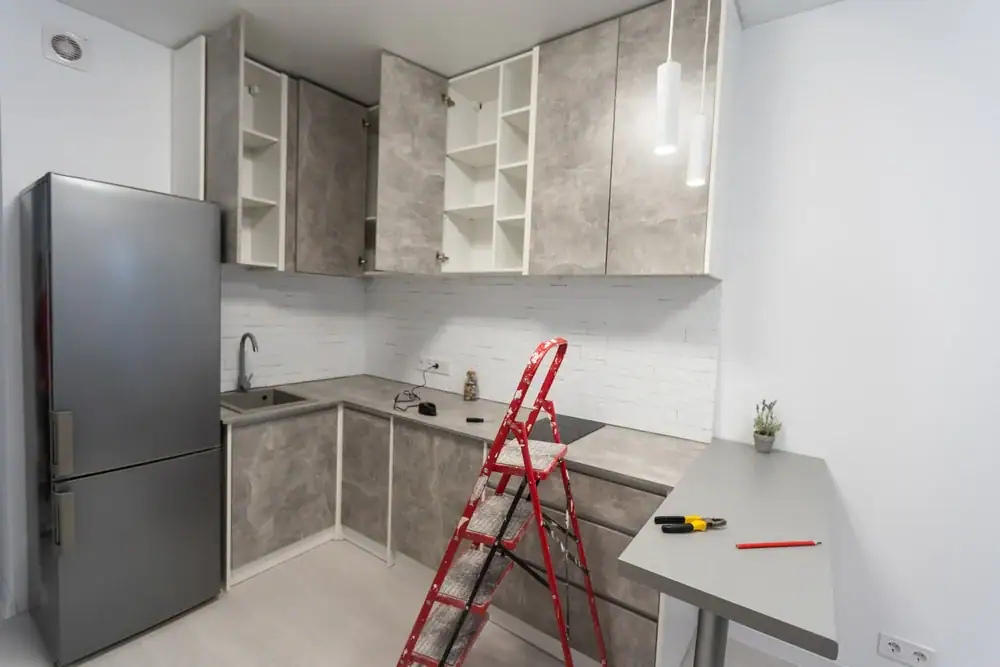
Modern cabinet hardware is built around two priorities: function and finish. It’s not just about grabbing a handle that matches your aesthetic. It’s about choosing pieces that improve how your kitchen operates every single day.
The shift toward soft-close hinges, ergonomic pulls, and low-maintenance finishes reflects what homeowners actually want—less noise, less wear, and less upkeep. Matte black handles don’t just look sharp against white cabinets. They hide fingerprints. Soft-close hinges don’t just prevent slamming. They extend the life of your cabinet doors and frames by eliminating repetitive impact.
You’re not paying extra for trendy details. You’re investing in hardware that reduces daily friction and protects the cabinets you just spent thousands on.
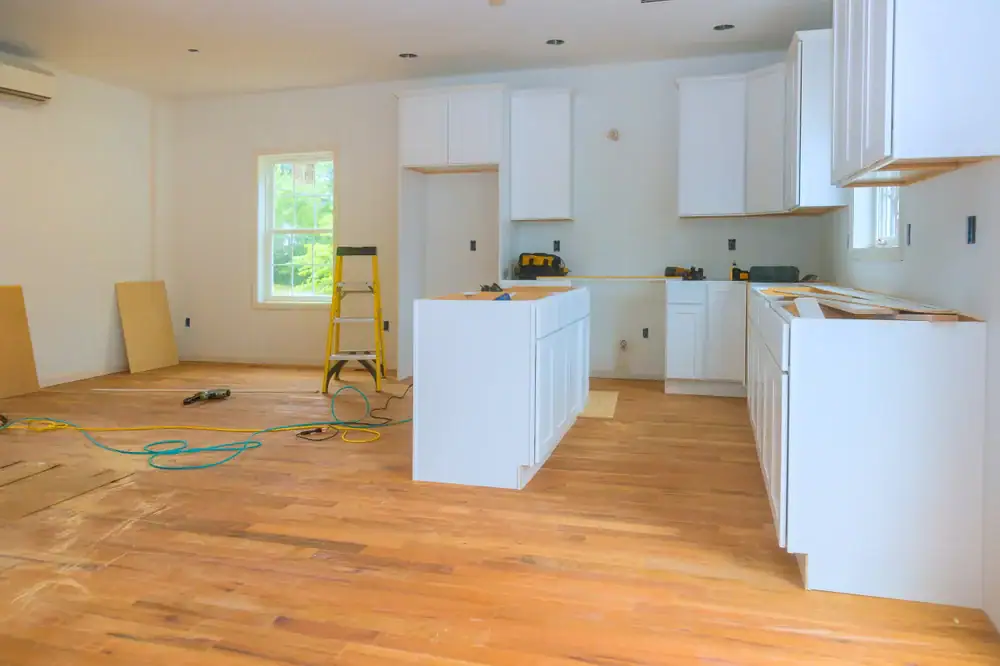
Soft-close hinges use a hydraulic damper system to control how cabinet doors close. When the door gets within a few inches of shutting, the mechanism takes over and guides it closed smoothly and silently. No slamming. No noise. No impact.
That gentle closure does more than keep your kitchen quiet. It protects your cabinets from the kind of wear that shows up after a few years of daily use—loose hinges, warped doors, chipped paint along the edges. Every time a door slams shut, it puts stress on the frame, the finish, and the hardware itself. Soft-close technology absorbs that impact before it becomes damage.
If you have young kids, there’s another benefit. Soft-close hinges prevent fingers from getting caught in closing doors. The controlled motion gives everyone time to move their hands out of the way, which matters when you’re rushing through meal prep or someone’s grabbing a snack without looking.
The upfront cost is slightly higher than standard hinges, but the payoff is long-term. Your cabinets stay aligned, your finish stays intact, and you’re not dealing with repairs or adjustments down the road. In homes where the kitchen sees heavy use, that durability is worth every dollar.
Soft-close isn’t a luxury feature anymore. It’s standard in quality kitchen remodels across Wake County, NC and Horry County, SC because homeowners recognize the value. It’s one of those upgrades you notice immediately and appreciate every single day.
Matte black cabinet hardware has staying power because it solves a practical problem while delivering a clean, modern look. The non-reflective finish hides fingerprints and smudges better than polished metals, which means less time wiping down handles after every meal. It creates sharp contrast against light-colored cabinets—white, cream, light gray—and adds grounded elegance to darker tones like navy or forest green.
Minimalist drawer pulls follow the same logic. They’re designed to be functional first, with clean lines and a low profile that doesn’t overwhelm the cabinetry. Long, slim pulls work especially well on drawers because they distribute the pulling force across your fingers instead of concentrating it on your fingertips like knobs do. That makes a real difference when you’re opening heavy drawers full of pots, pans, or dishes.
The trend toward minimalist hardware isn’t about stripping away personality. It’s about letting the overall design of your kitchen shine without competing details. When your hardware is simple and well-placed, the focus shifts to your countertops, backsplash, and cabinetry itself. Everything feels more cohesive.
In 2026, the most popular finishes lean warm—brushed brass, satin gold, bronze—but matte black continues to hold its place in modern and transitional kitchens. It bridges the gap between industrial and refined, working equally well in a contemporary loft or a coastal cottage. If you’re remodeling in Myrtle Beach or Raleigh, you’ll see matte black hardware in kitchens across every price point because it’s versatile, durable, and timeless.
Minimalist doesn’t mean boring. It means intentional. When you choose hardware with clean lines and quality materials, you’re building a kitchen that won’t feel dated in five years.
Want live answers?
Connect with a American Dream Floor expert for fast, friendly support.
The best cabinet hardware isn’t the piece that looks good in a showroom. It’s the one that works with how you cook, clean, and move through your kitchen every day.
If you have heavy drawers full of cookware, you need pulls with a solid grip and enough length to distribute force comfortably. If you’re constantly opening cabinets with wet or messy hands, you want finishes that resist corrosion and clean up easily. If multiple people use the kitchen—kids, elderly family members, guests—you need hardware that’s easy to operate for everyone, regardless of hand strength or mobility.
Ergonomic hardware design takes all of this into account. It’s not just about aesthetics. It’s about reducing strain, improving accessibility, and making sure your kitchen functions as smoothly as possible for the people who actually live there.
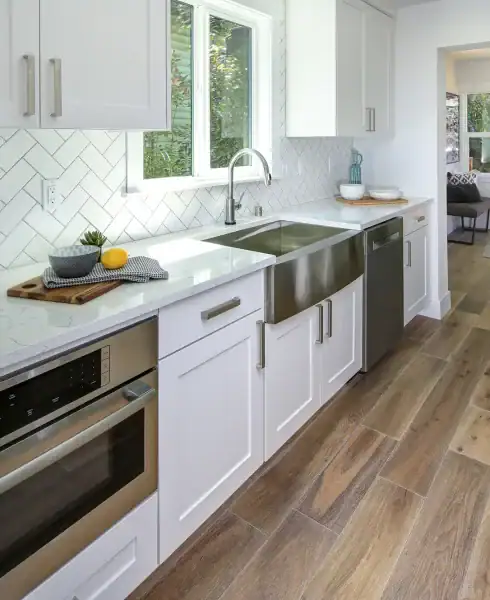
Ergonomic hardware is designed to fit comfortably in your hand and require minimal effort to operate. That sounds simple, but it makes a measurable difference in how your kitchen feels to use, especially over time.
Pulls are generally more ergonomic than knobs for drawers because they allow you to use your whole hand instead of just your fingertips. When you’re pulling open a drawer full of dishes or utensils, that distributed grip reduces strain on your fingers and wrist. For frequently accessed cabinets—like the one under your sink or next to your stove—choosing hardware that’s easy to grab and pull makes those repetitive motions less taxing.
Placement matters just as much as shape. Hardware should be positioned where it feels natural to reach, not where it looks symmetrical on the door. For upper cabinets, that usually means placing pulls or knobs near the bottom corner. For lower cabinets, near the top corner. For drawers, centered horizontally along the top edge. Consistent placement across all your cabinets creates a rhythm that makes your kitchen easier to navigate without thinking.
Material and finish also play a role. Stainless steel, aluminum, and zinc alloy are durable and corrosion-resistant, which means they hold up to daily use without degrading. Matte and brushed finishes provide better grip than high-polish surfaces, especially when your hands are wet or greasy. That small detail makes a difference when you’re in the middle of cooking and need to grab something quickly.
Ergonomic design isn’t about adding fancy features. It’s about removing friction. When your hardware is positioned correctly, shaped comfortably, and built to last, your kitchen becomes a space that supports you instead of working against you. That’s especially valuable in homes where the kitchen is the center of daily life—meal prep, homework, gatherings, quick snacks between activities.
In Wake County and Horry County, where homeowners are investing in kitchen remodels that need to function for years, ergonomic hardware is a smart choice. It’s one of those upgrades that doesn’t show up in photos but makes a real impact on how the space feels to use.
Matching hardware finishes doesn’t require a design degree. It requires a clear understanding of what you’re working with and what you want the space to feel like.
Start with your existing fixtures—faucet, lighting, appliances. If you have stainless steel appliances and a brushed nickel faucet, you’re already working with cool-toned metals. Matte black or gunmetal hardware can add contrast without clashing. If you have brass or bronze light fixtures, warm-toned hardware like brushed brass or champagne gold will tie the space together.
You don’t have to match everything perfectly. In fact, mixing metals has become a standard approach in modern kitchens because it adds depth and keeps the space from feeling too uniform. The key is choosing a primary finish for most of your hardware and introducing a secondary finish in one controlled area—like the island, a pantry cabinet, or a specific set of drawers. Two finishes feel curated. Three or more can start to look chaotic unless you’re working with a designer who knows how to balance them.
If you’re unsure, stick with finishes that have proven staying power. Matte black works with almost everything. Brushed brass and satin gold bring warmth without feeling overly trendy. Brushed nickel is neutral and versatile. These finishes show up in kitchens across every style—farmhouse, contemporary, transitional, coastal—because they adapt to the overall design instead of dominating it.
Texture also matters. Knurled pulls, leather-wrapped handles, and mixed-material hardware add tactile interest without requiring bold colors or patterns. They give your cabinets a custom feel while still being functional and easy to clean.
The goal isn’t perfection. It’s cohesion. When your hardware finishes complement your fixtures and cabinetry, the entire kitchen feels more intentional and pulled together. That’s what makes a remodel look high-end, even if you’re working within a budget.
Modern cabinet hardware isn’t about chasing trends. It’s about choosing pieces that improve how your kitchen functions, reduce daily wear, and create a cohesive look that lasts.
Soft-close hinges protect your cabinets and keep your kitchen quiet. Ergonomic pulls reduce strain and make frequently used drawers easier to operate. Matte black handles and warm metal finishes add visual interest without requiring constant maintenance. When you choose hardware based on how you actually use your space, you’re building a kitchen that supports your routine instead of working against it.
If you’re planning a kitchen remodel in Wake County, NC or Horry County, SC and want hardware that delivers real value, we can help you find the right combination of function, finish, and durability for your space.
Summary:
Article details:
Share: