
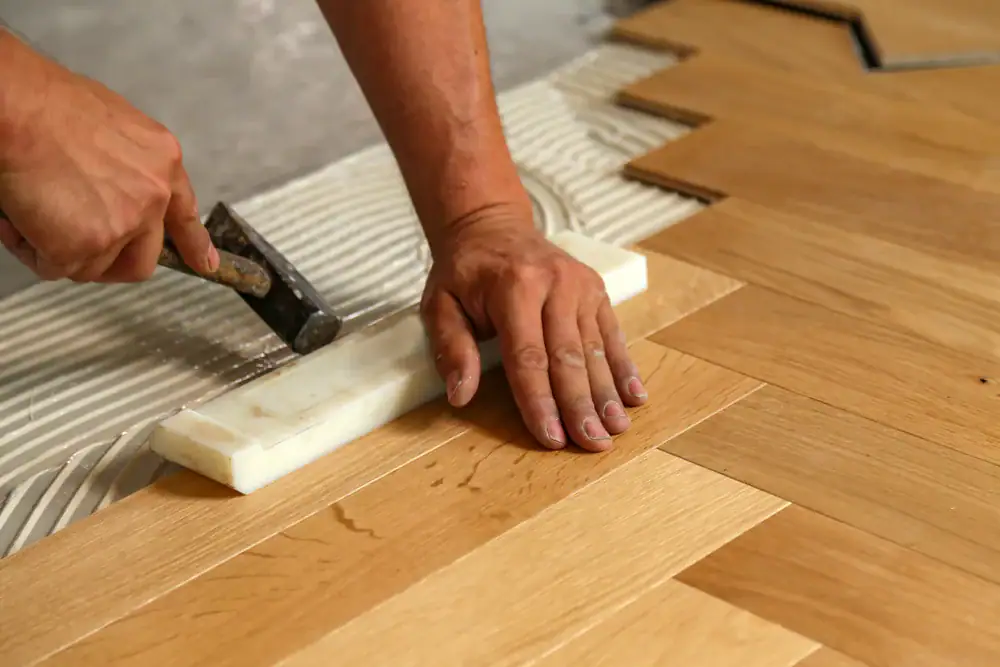
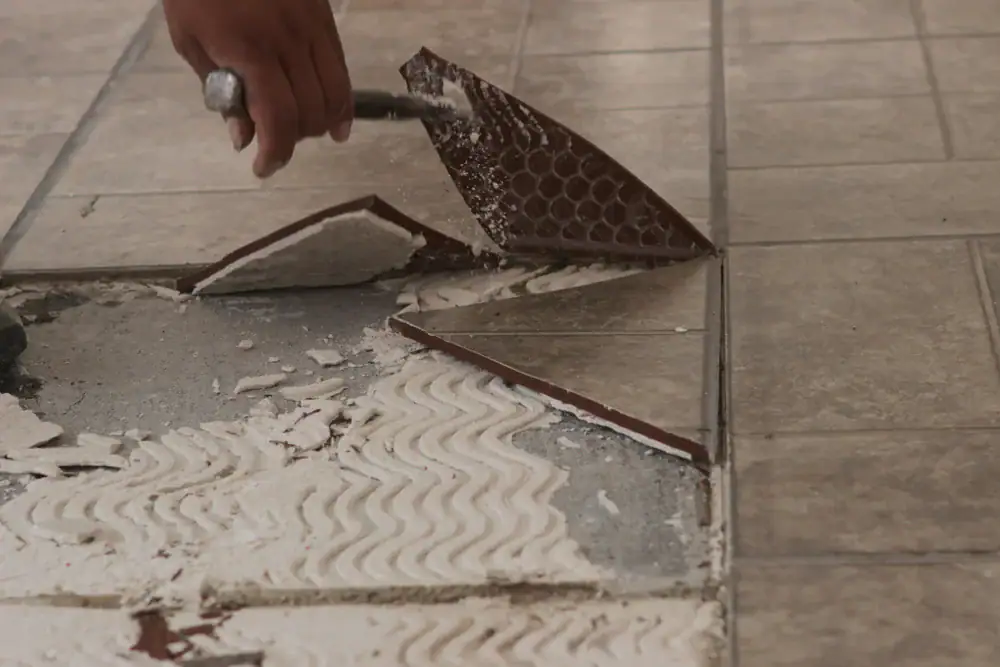
Your floors shouldn’t buckle when summer hits. They shouldn’t gap in winter or show wear patterns after six months.
When subfloors are prepped correctly and materials are installed by people who’ve done this for decades, you get floors that handle South Carolina’s clay soil and humidity swings without complaint. No callbacks for gaps. No scratches appearing within a week. No half-finished molding work that never gets resolved.
You get hardwood flooring in Homewood, SC that expands and contracts the way it should. Luxury vinyl flooring that stays waterproof in your kitchen and bathrooms. Laminate flooring that doesn’t separate at the seams. Custom carpet that doesn’t ripple or pull up at the edges.
The difference is in the prep work most contractors skip and the follow-through that separates a good installation from one that lasts thirty years.
We’ve been installing flooring across the Carolinas for over 30 years. That’s three decades of dealing with South Carolina’s specific challenges—the humidity that makes hardwood tricky, the clay soil that shifts foundations, the moisture issues that ruin installations when contractors don’t know what they’re doing.
Homewood homeowners deal with the same climate realities as the rest of the Columbia area. Your floors need to handle temperature swings and moisture levels that change with the seasons. We’ve seen what happens when installation shortcuts get taken, and we’ve built our process around avoiding those problems entirely.
Licensed, bonded, insured. Lifetime installation warranty. Best price guarantee. If you’re not happy, we’re not happy—and we’ll make it right.
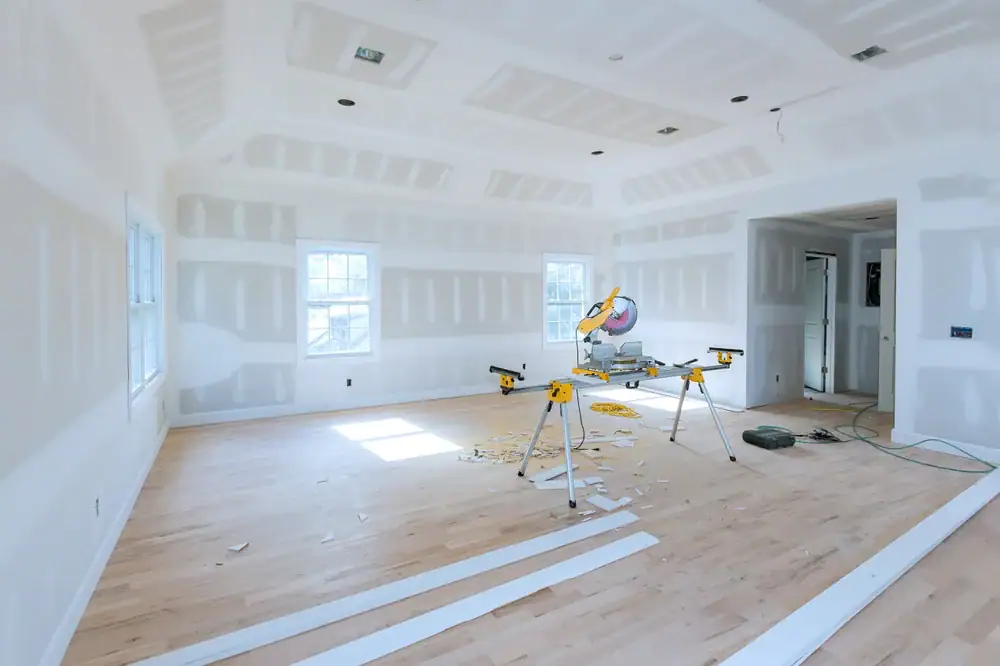
First, we look at your subfloor. Not a quick glance—an actual assessment. Is it level? Is it dry? Is there existing damage that’ll cause problems later? This step gets skipped constantly, and it’s why so many floors fail early.
Next, we talk through your options. Hardwood flooring gives you that classic look but needs proper acclimation in our climate. Vinyl flooring and luxury vinyl work great in moisture-prone areas and give you the wood or stone look at a better price point. Laminate flooring offers durability for high-traffic spaces. Custom tiles let you create exactly what you want in kitchens and bathrooms. We walk through what makes sense for your space, your budget, and how you actually use the room.
Then we prep. Clean, flat, dry—that’s the standard. We handle moisture barriers, leveling compounds, whatever your specific subfloor needs before any new flooring goes down.
Installation happens on your timeline. We protect your home, complete the work without dragging it out, and clean up completely. You’re not chasing us for finish work or waiting weeks for someone to come back and install baseboards.
Final walkthrough happens with you there. Any concerns get addressed before we consider the job done.
Ready to get started?
You’re getting the full scope—subfloor assessment and prep, moisture testing, material acclimation when needed, professional installation, and all finishing work including baseboards and transitions. No surprises, no “that’s extra” conversations halfway through.
Homewood homeowners are seeing the same trends we’re tracking across the region. Living rooms account for nearly half of all flooring renovations—it’s the space that gets the most use and the most attention. Luxury vinyl has jumped from 17% to 26% of installations in just the past year because it handles moisture, looks great, and costs less than hardwood while lasting just as long.
The design preferences are shifting too. You’re probably noticing warmer tones and natural finishes replacing the grey-heavy looks from a few years back. Honeyed browns, warm wood tones, matte finishes instead of high-gloss. We’re seeing more interest in eco-friendly options too—about 40% of buyers now specifically ask about sustainable materials.
January and February are the busiest months for flooring projects. People review their budgets at year-end and pull the trigger on renovations they’ve been putting off. If you’ve been thinking about this for a while, you’re not alone—most homeowners defer these projects for 18 months or more before finally moving forward.
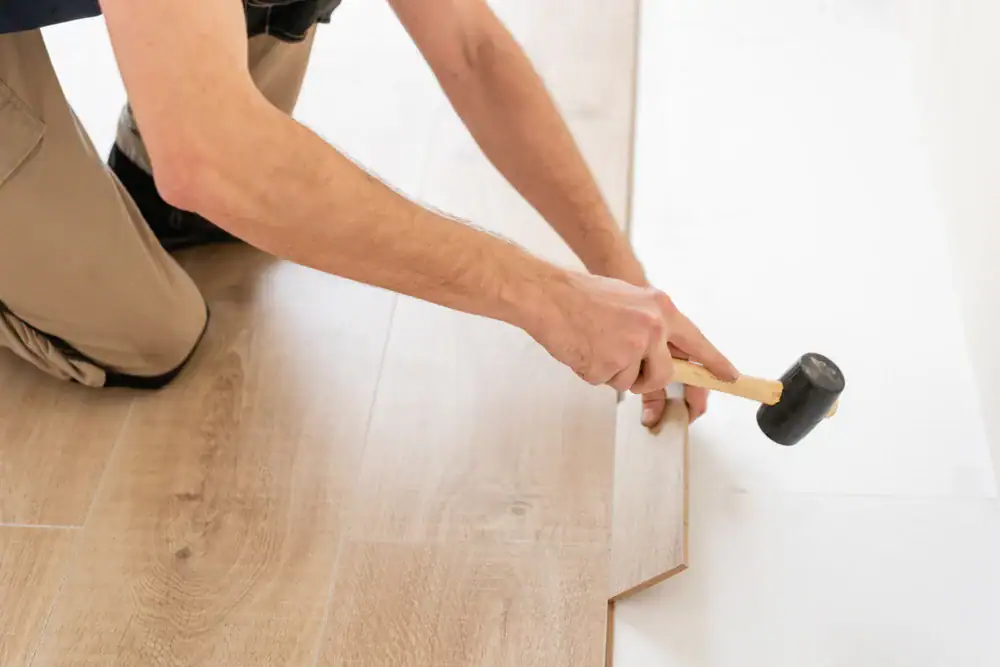
South Carolina’s humidity is the main factor. You’re dealing with moisture levels that swing significantly between seasons, and that affects different flooring types differently.
Luxury vinyl and vinyl flooring handle moisture best. They’re waterproof, not just water-resistant, which matters in bathrooms, kitchens, laundry rooms, and basements. They’ve gotten popular because they look like hardwood or stone but don’t expand, contract, or get damaged by water.
Hardwood flooring works great in Homewood, but it needs proper installation. The wood has to acclimate to your home’s humidity levels before installation, and the subfloor needs moisture barriers in place. When that’s done right, hardwood handles our climate fine. When it’s rushed, you get gaps in winter and buckling in summer.
Laminate flooring is a middle ground. It’s more moisture-resistant than hardwood but not fully waterproof like vinyl. It works well in living rooms, bedrooms, and dining areas—just not in spaces where standing water is a risk.
Tile is obviously waterproof and works anywhere. Custom tiles give you design flexibility in kitchens and bathrooms, and they handle temperature and moisture without any issues.
Depends on the size of the space and what we’re working with, but most residential projects take two to five days from start to finish.
A single room—bedroom, office, bathroom—usually takes one to two days including prep. Larger spaces like open-concept living areas or whole-floor installations take three to five days. If we’re doing multiple rooms with different flooring types, add time for transitions and finishing work.
The subfloor condition affects timeline more than anything else. If your subfloor is level, dry, and in good shape, we move faster. If we need to address moisture issues, apply leveling compound, or repair damage, that adds time upfront but prevents problems later.
Hardwood floor installation in Homewood, SC takes longer than vinyl or laminate because the wood needs to acclimate first. That’s not installation time—that’s the wood sitting in your home for several days adjusting to your humidity levels before we install it. Rush that process and you’ll have problems within months.
We don’t drag projects out, but we also don’t cut corners to finish faster. You want it done right more than you want it done quick.
Experience in this specific climate. South Carolina’s humidity and clay soil create installation challenges that contractors from other regions don’t always understand. Someone who’s been doing this locally for years knows how to prep subfloors, handle moisture barriers, and install materials so they last.
Warranties matter. A lifetime installation warranty means the contractor stands behind their work long-term. If they’re only offering a year or two, that tells you something about their confidence in the installation quality.
References and completed projects you can actually see. Anyone can claim they do great work. Ask to see recent installations or talk to past customers in the Homewood area.
Licensing, bonding, and insurance aren’t optional. You need protection if something goes wrong, and legitimate contractors carry proper coverage.
Communication and follow-through separate good contractors from the ones who cause headaches. Do they answer calls? Do they show up when they say they will? Do they address concerns or disappear after getting paid? Bad contractors are common in flooring installation—you’re looking for the ones who actually finish the job completely and handle any issues that come up.
For most homes, luxury vinyl outlasts hardwood in high-traffic areas and wet spaces. It’s not the cheap vinyl from twenty years ago—the quality and durability have improved dramatically.
Luxury vinyl doesn’t scratch as easily as hardwood, doesn’t dent when you drop something heavy, and handles moisture without warping or staining. In kitchens, bathrooms, entryways, and laundry rooms, it objectively performs better than wood.
The visual difference has narrowed too. Modern luxury vinyl replicates wood grain and stone textures well enough that most people can’t tell the difference from across a room. You lose some of the authenticity you get with real hardwood, but you gain waterproof durability and lower maintenance.
Hardwood still wins on refinishing potential. You can sand and refinish solid hardwood multiple times over decades. Luxury vinyl can’t be refinished—when it’s worn out, it gets replaced. But luxury vinyl typically lasts 20+ years with normal use, and by then, you’d probably want to update the look anyway.
Cost-wise, luxury vinyl runs 30-50% less than hardwood for materials and installation. For a lot of Homewood homeowners, that difference matters, especially when you’re doing multiple rooms.
Yes, furniture needs to be out of the installation area. We can handle moving furniture as part of the project, but it’s easier and faster if larger items are already cleared.
Small stuff—lamps, decor, electronics—should definitely be moved before we arrive. Furniture like couches, beds, and dressers can be moved by our installation crew, but fragile items, valuables, and anything you don’t want handled should be relocated ahead of time.
If you’re doing multiple rooms, we can often move furniture from one room to another as we work through the space. That way you’re not stuck with everything piled in the garage for a week.
Appliances are trickier. Refrigerators need to be disconnected and moved if we’re doing kitchen flooring. Same with washers and dryers for laundry room installations. We can handle that, but if you’ve got a plumber or appliance tech you prefer to use for disconnecting and reconnecting, coordinate that before installation starts.
The goal is protecting your belongings and giving us clear space to work. The clearer the space, the faster and cleaner the installation goes.
Ballpark numbers for materials and installation in the Homewood area: luxury vinyl runs $5-$12 per square foot installed. Laminate flooring typically costs $6-$11 per square foot. Hardwood flooring ranges from $10-$20+ per square foot depending on wood species and finish. Tile varies widely—basic ceramic starts around $8 per square foot installed, while custom tiles and natural stone can run $15-$30+ per square foot.
Carpet is usually the most affordable option at $3-$8 per square foot installed for quality materials, though custom carpet with premium padding costs more.
Those ranges depend on material quality, room size, subfloor condition, and installation complexity. Larger projects cost less per square foot than small bathrooms. Simple layouts cost less than custom patterns or intricate tile work.
The bigger cost difference shows up years later. Cheap installation fails early—you’re paying twice when you have to rip it out and redo it. Quality installation with proper subfloor prep lasts decades without issues.
Waterproof flooring costs slightly more upfront than water-resistant options, but it prevents expensive water damage repairs in moisture-prone areas. Spending an extra dollar per square foot on better materials or installation quality usually saves you thousands in future repairs or early replacement.
Get specific quotes based on your actual space and what you’re trying to accomplish. Generic price ranges only tell you so much.
Other Services we provide in Homewood