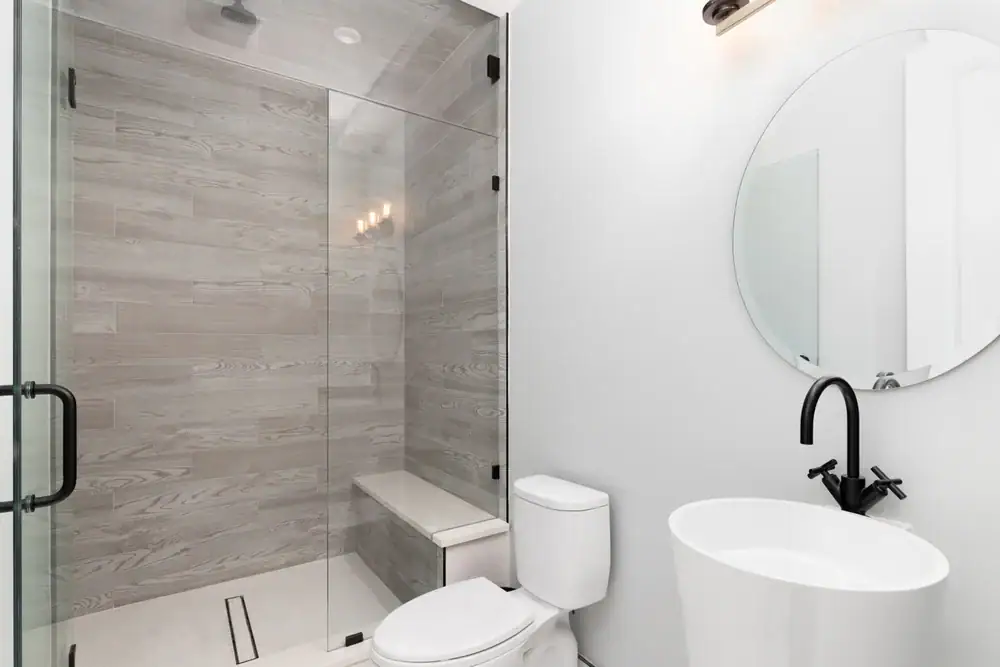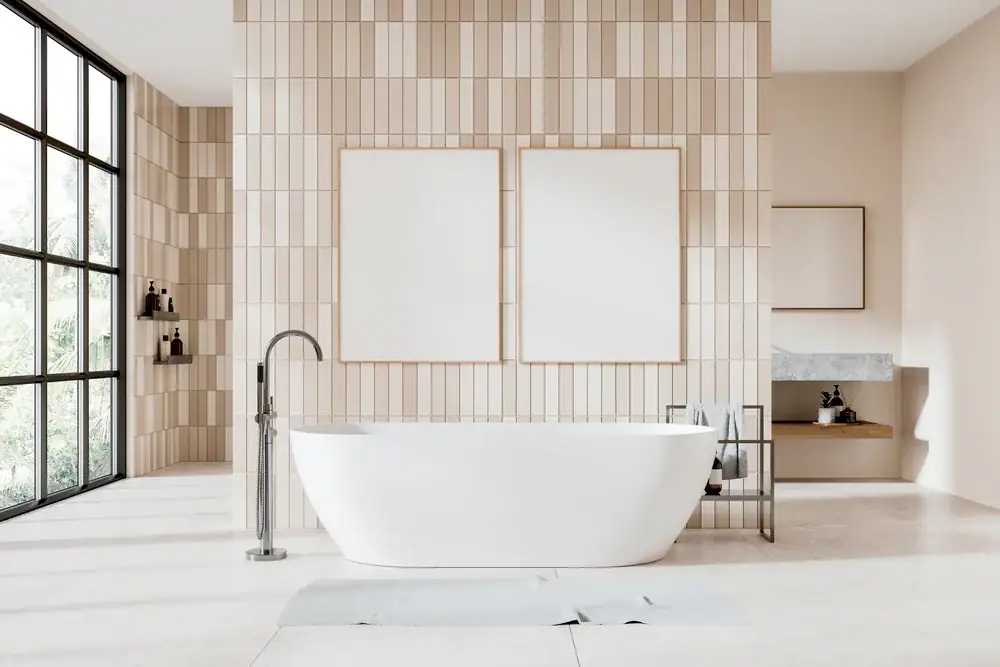
Choosing flooring doesn't have to feel overwhelming. This guide breaks down the best options for your home, lifestyle, and budget—with honest insights you can actually use.
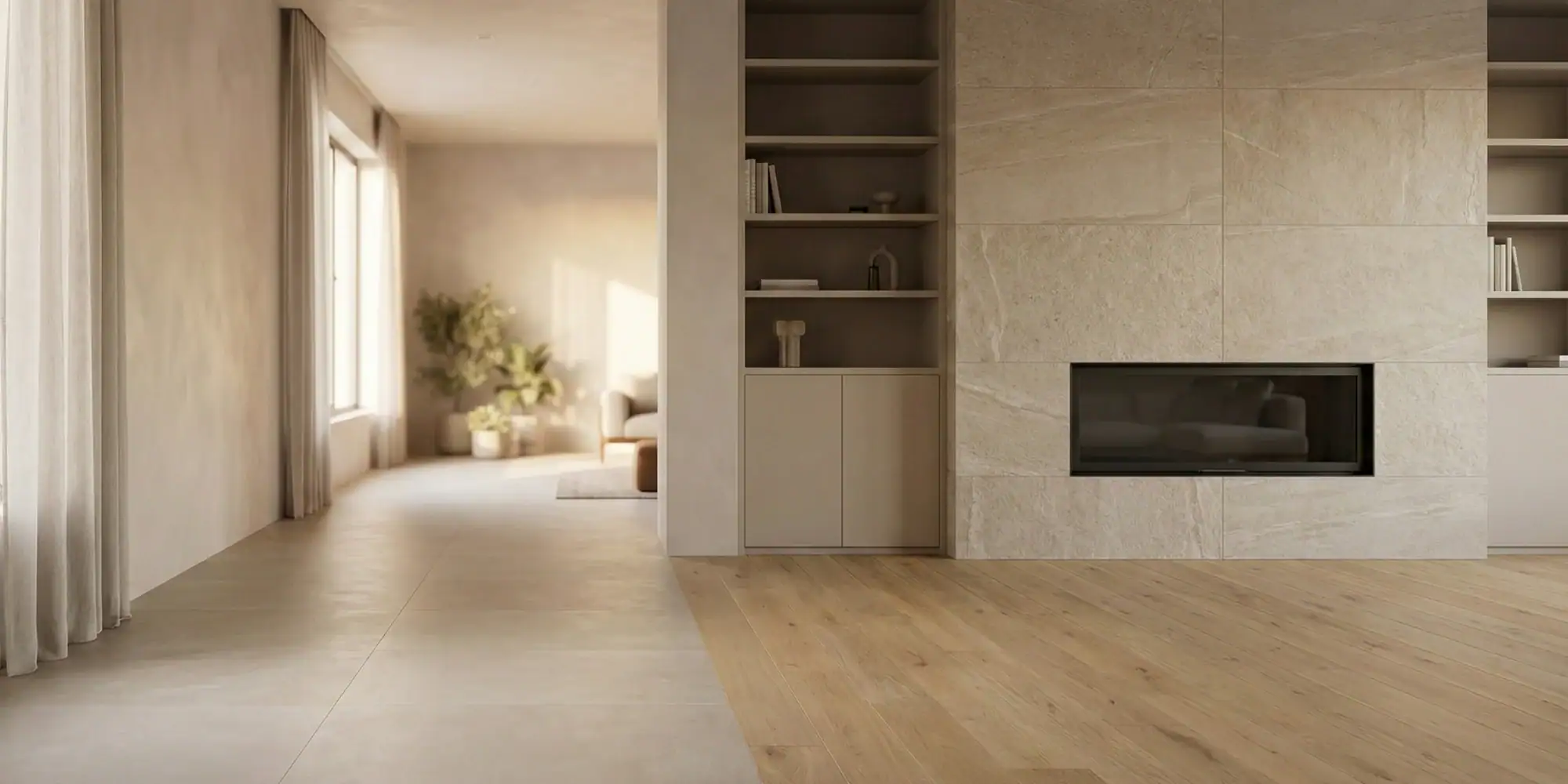
Before you fall in love with a specific look, step back and think about how your space gets used. A dining room that doubles as a homework station needs different flooring than one reserved for Sunday dinners. A kitchen where multiple people cook simultaneously will test your floors differently than a space used mainly for reheating leftovers.
Start with these questions: How many people walk through this room daily? Do you have pets? Are there kids who spill things? Does moisture ever become an issue? Your answers will narrow your options faster than any design magazine ever could.
Budget matters, but so does lifespan. Spending less upfront might mean replacing floors sooner. Spending more doesn’t always mean better performance. The sweet spot is finding flooring that handles your specific traffic patterns, moisture levels, and maintenance preferences without breaking the bank or requiring constant upkeep.
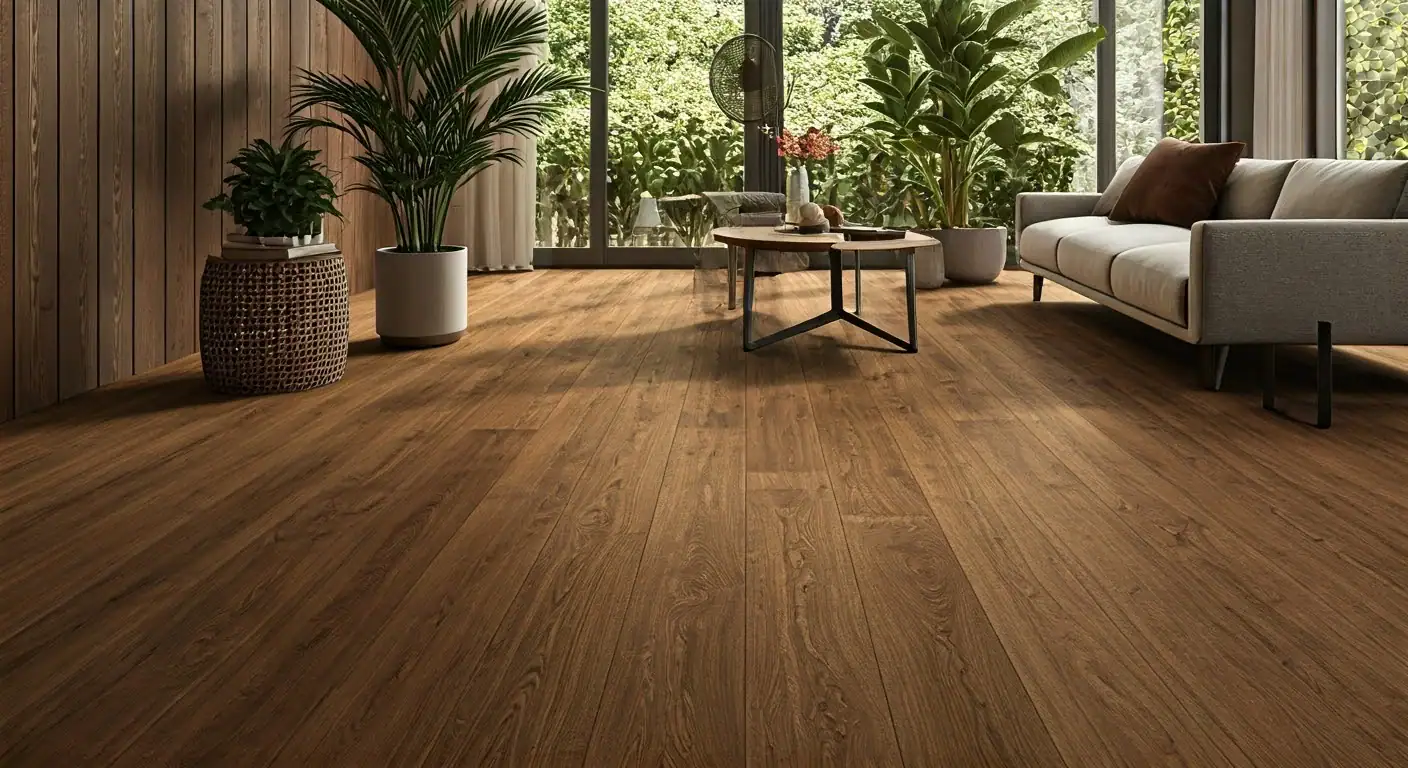
Hardwood floors bring warmth and character that’s hard to match. They can last 50 to 100 years when maintained properly, and here’s the real advantage—you can refinish them multiple times. That means scratches and wear don’t spell replacement. You sand, restain, and start fresh.
The species you choose affects how well your floors hold up. Oak, maple, and hickory are the workhorses of domestic hardwood. Hickory rates highest on the Janka hardness scale at 1820, making it incredibly resistant to dents and scratches. Oak comes in around 1290-1360, offering a good balance of durability and affordability. These harder species handle foot traffic, dropped items, and daily wear better than softer woods like pine.
Hardwood works best in living rooms, dining rooms, hallways, and bedrooms—spaces where moisture isn’t a constant concern. It’s not ideal for bathrooms or basements where humidity fluctuates. Even in kitchens, you’ll want to be careful about spills. Modern finishes with aluminum oxide offer better protection than older polyurethane coats, but wood still absorbs moisture if you leave water sitting.
Maintenance is straightforward. Sweep or vacuum regularly, mop with a hardwood-specific cleaner, and wipe up spills quickly. Every seven to ten years, depending on traffic, you might want to refinish. That process removes the worn top layer and applies fresh stain and finish, essentially giving you brand-new floors without the cost of replacement.
One thing people don’t always consider: hardwood adds real resale value. Studies show it can deliver a 70-80% return on investment. Buyers see hardwood and think quality, permanence, and style. It’s one of the few flooring choices that actually increases what your home is worth.
The downside? Cost and vulnerability to scratches if you’re not careful. Solid hardwood flooring runs $11 to $25 per square foot installed, depending on species and finish. Engineered hardwood offers a more budget-friendly alternative at $8 to $18 per square foot while still giving you that authentic wood look.
Marble and porcelain tile both offer durability and visual appeal, but they’re not interchangeable. Understanding the difference helps you avoid choosing a material that looks great in the showroom but becomes a maintenance headache at home.
Marble is natural stone. It’s been used for centuries in high-end homes because of its unique veining and luxurious appearance. No two marble tiles look exactly alike, which gives your floor character and depth. The problem is marble is porous. It absorbs liquids, stains easily, and scratches more readily than porcelain. On the Mohs hardness scale, marble rates between 3 and 5, while porcelain sits between 7 and 8. That’s a significant difference in scratch resistance.
If you choose marble, you’re committing to regular sealing—usually once or twice a year depending on traffic. You’ll also need to clean up spills immediately, especially acidic substances like wine, coffee, or citrus juice. Those can etch the surface and leave permanent marks. Marble works best in low-traffic areas or spaces where you can stay on top of maintenance. It’s stunning in a foyer, a powder room, or a primary bathroom where you’re willing to put in the care.
Porcelain tile, on the other hand, is manufactured from dense clay fired at extremely high temperatures. This process makes it non-porous, which means it doesn’t absorb water or stains. You can use it in kitchens, bathrooms, mudrooms, and basements without worrying about moisture damage. It’s also tougher—less prone to chipping, cracking, or scratching under normal use.
Cost-wise, porcelain is generally more affordable. Expect to pay $8 to $16 per square foot installed for porcelain, compared to $15 to $25 per square foot for marble. Installation for porcelain can be slightly more complex because it requires precise grouting, but once it’s down, maintenance is minimal. Regular sweeping and mopping with standard cleaners keeps it looking good for decades.
Here’s where marble still wins: resale appeal and aesthetics. Marble floors signal luxury in a way porcelain doesn’t, even when porcelain mimics marble’s look. If you’re designing a high-end space and you’re prepared for the upkeep, marble delivers that “wow” factor. But if you need something that performs day in and day out without constant attention, porcelain is the smarter choice.
One more consideration: feel underfoot. Marble stays cooler, which can be pleasant in warm climates but uncomfortable in winter. Porcelain also feels hard and cold, though both can be paired with radiant heating systems if comfort is a priority. For families with young kids or anyone concerned about slips, textured or matte-finish porcelain offers better grip than polished marble.
Want live answers?
Connect with a American Dream Floor expert for fast, friendly support.
High-traffic areas—entryways, hallways, kitchens, living rooms—take a beating. You need flooring that holds up to constant foot traffic, potential spills, dirt tracked in from outside, and the wear that comes with daily life. Choosing the wrong material for these spaces means you’ll see visible wear within a few years.
Porcelain tile tops the list for durability in high-traffic zones. It resists scratches, stains, water, and fading from sunlight better than almost any other material. It doesn’t wear out. Luxury vinyl plank comes in a close second, offering waterproof protection, scratch resistance, and realistic wood or stone looks at a fraction of the cost. Laminate works well too, especially higher-grade options with AC3 or AC4 ratings, though it’s not waterproof.
Hardwood can work in high-traffic areas if you choose harder species and apply durable finishes. But you’ll need to accept that it will show wear over time and may require refinishing sooner than in low-traffic spaces. Carpet, despite being soft and comfortable, isn’t ideal for high-traffic areas. It mats down, stains easily, and wears out faster than hard surfaces.
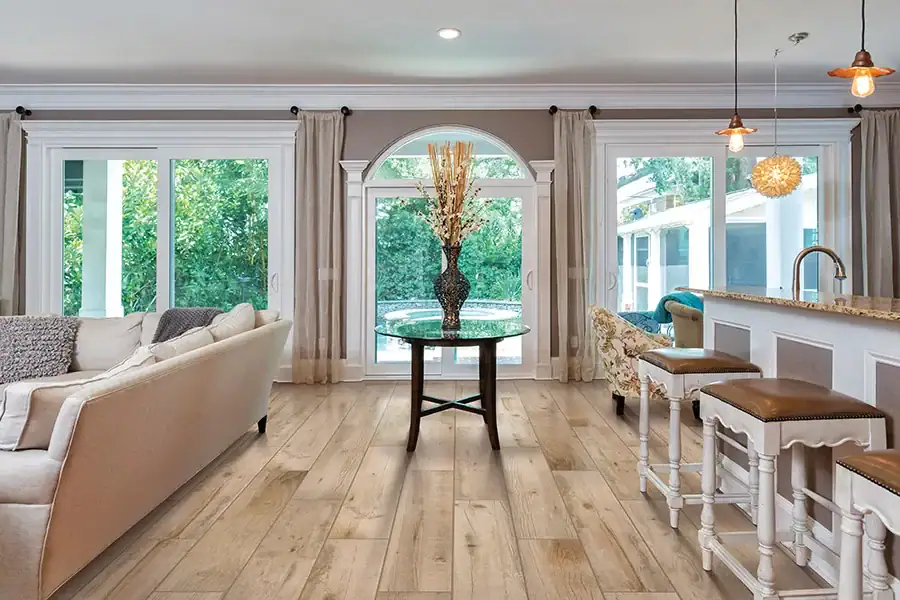
Luxury vinyl plank has evolved from a budget substitute into a legitimate flooring option that competes with hardwood and tile. The technology behind modern LVP creates planks that look and feel remarkably close to real wood, complete with textured grain patterns and beveled edges. Embossed-in-register printing aligns the texture with the visual grain, so what you see matches what you feel underfoot.
The biggest advantage? LVP is 100% waterproof. You can install it in kitchens, bathrooms, basements, and laundry rooms without worrying about moisture damage. Spills sit on the surface until you wipe them up. There’s no swelling, warping, or buckling like you’d see with hardwood or laminate. For homes with pets or kids, that’s a game-changer.
Durability is another strong point. Quality LVP resists scratches, dents, and stains better than many natural materials. The wear layer on top protects the design layer underneath, and thicker wear layers (20 mil or higher) handle heavy traffic without showing signs of wear for 15 to 25 years. It’s softer and quieter underfoot than tile, which makes it more comfortable in spaces where you stand for long periods.
Installation is straightforward, especially with click-lock systems that don’t require glue or nails. Many homeowners tackle LVP installation themselves, though professional installation ensures a flawless result, especially around tricky corners or transitions. Costs run $4 to $16 per square foot installed, depending on quality and thickness. That puts it well below hardwood while delivering similar aesthetics and better moisture performance.
There are trade-offs. LVP is synthetic, made from PVC, which means it’s not the most eco-friendly option. Some lower-quality products can emit VOCs that affect indoor air quality, so look for low-VOC or FloorScore-certified options if that’s a concern. LVP also doesn’t add the same resale value as hardwood. Buyers recognize it as a practical choice, but it doesn’t carry the same prestige.
Still, for busy households, rental properties, or anyone who wants the look of wood without the maintenance, LVP offers an unbeatable combination of performance, affordability, and style. It’s why you see it in new construction, renovations, and even high-end homes where practicality matters as much as appearance.
Laminate flooring sits in an interesting middle ground. It’s more affordable than hardwood, more durable than vinyl in some ways, and easier to install than tile. But it also has limitations that make it the wrong choice for certain spaces.
Laminate is constructed from a high-density fiberboard core with a photographic layer on top that mimics wood, stone, or tile. A protective wear layer covers the design, and that’s what determines how well it holds up. Higher AC ratings (AC3 for residential, AC4 for heavy residential or light commercial) mean better scratch and wear resistance. Quality laminate can handle high-traffic areas, resist fading from sunlight, and stand up to daily use without showing significant wear.
The protective layer makes laminate more scratch-resistant than real hardwood. Dropped items, pet claws, and dragged furniture are less likely to leave visible marks. It’s also easier to clean—sweep, vacuum, or damp mop, and you’re done. No special cleaners or treatments required.
Cost is a major selling point. Laminate runs $4 to $14 per square foot installed, making it one of the most budget-friendly options for homeowners who want the look of wood without the expense. Installation is DIY-friendly for those with basic skills, though professional installation ensures proper acclimation and avoids common mistakes like leaving inadequate expansion gaps.
The downside is water. Laminate isn’t waterproof. The fiberboard core absorbs moisture if water seeps into the seams, causing swelling and damage that can’t be repaired. That makes it a poor choice for bathrooms, laundry rooms, or basements prone to moisture. Even in kitchens, you’ll want to wipe up spills quickly.
Laminate also can’t be refinished. Once the wear layer is damaged or worn through, replacement is your only option. That’s different from hardwood, which you can sand and refinish multiple times. Laminate’s lifespan typically maxes out at 15 to 25 years, depending on quality and traffic levels.
Another consideration: feel and sound. Laminate can feel hollow or sound loud underfoot, especially if installed without quality underlayment. Good underlayment adds cushion, reduces noise, and improves the overall experience. Skipping it to save money is a mistake that affects comfort and durability.
For bedrooms, living rooms, hallways, and dining rooms where moisture isn’t an issue, laminate delivers solid performance at an accessible price. It’s a smart choice for homeowners on a budget or anyone who wants a low-maintenance floor that looks good and holds up to everyday life.
Choosing flooring comes down to matching material to purpose. Hardwood offers timeless beauty and longevity in dry, moderate-traffic spaces. Porcelain tile delivers unmatched durability and moisture resistance for kitchens, bathrooms, and high-traffic zones. Luxury vinyl plank gives you waterproof protection and realistic looks at a mid-range price. Laminate works when budget matters and moisture doesn’t. Marble brings luxury but demands maintenance.
There’s no universal “best” option. There’s only what works for your home, your lifestyle, and your budget. The right floor is one you’ll still be happy with in ten years—not just one that looks good in a showroom today.
If you’re in Wake County, NC or Horry County, SC and you’re ready to move forward, we can help you sort through the options and find flooring that fits your space. Sometimes the best decision starts with a conversation with someone who’s helped hundreds of homeowners work through the same questions you’re asking right now.
Summary:
Article details:
Share: