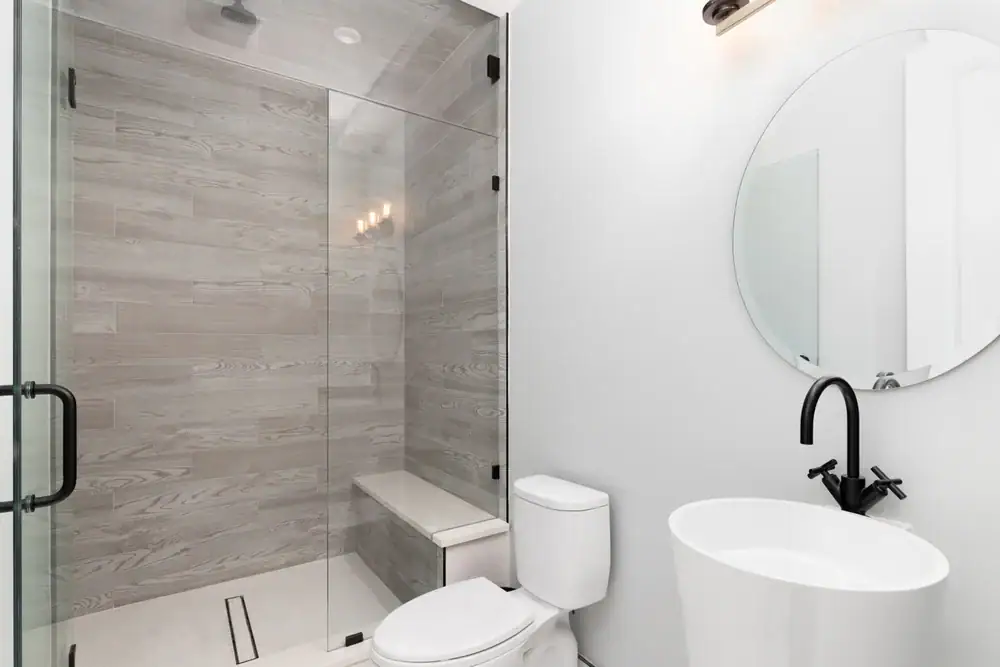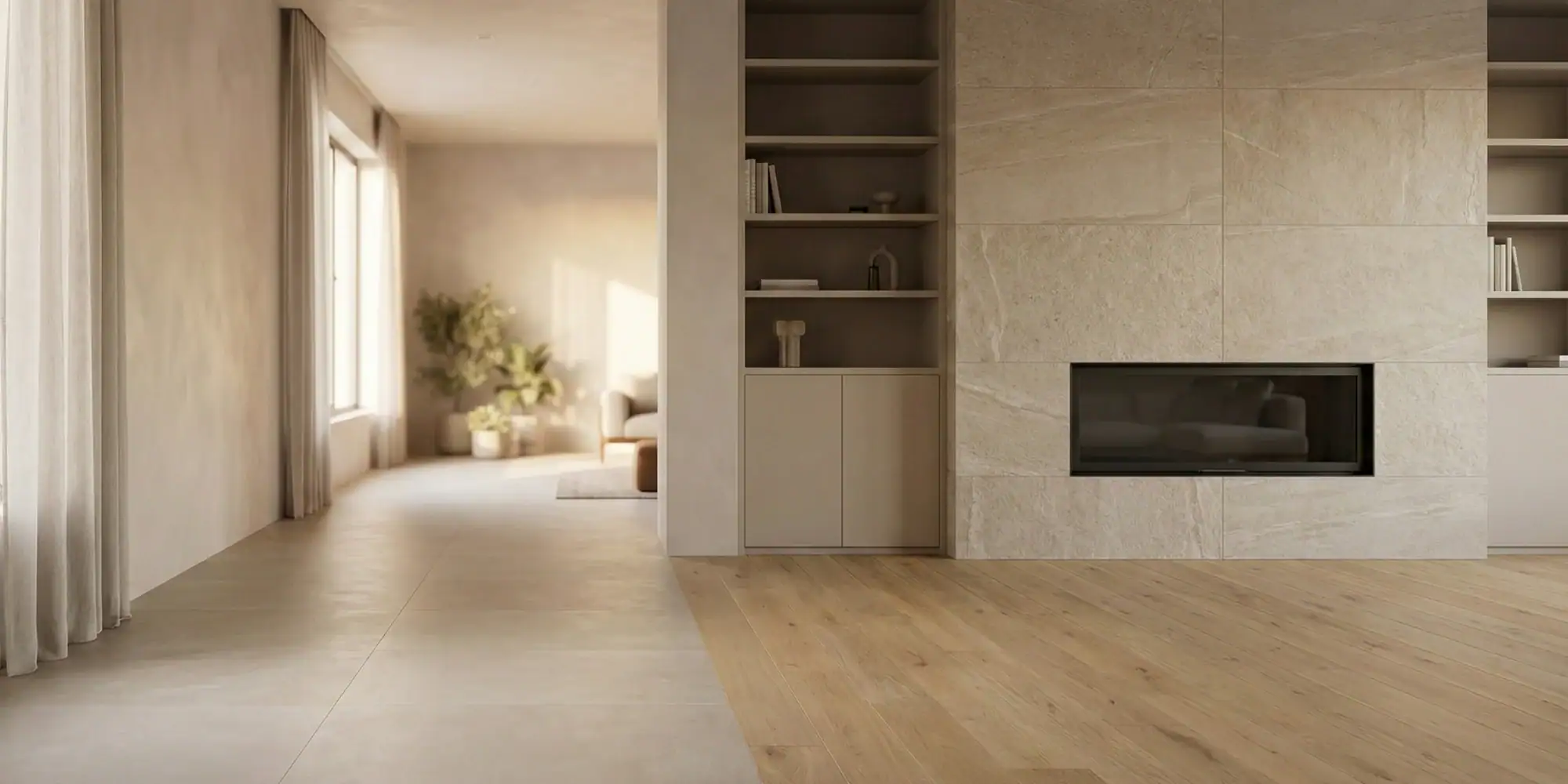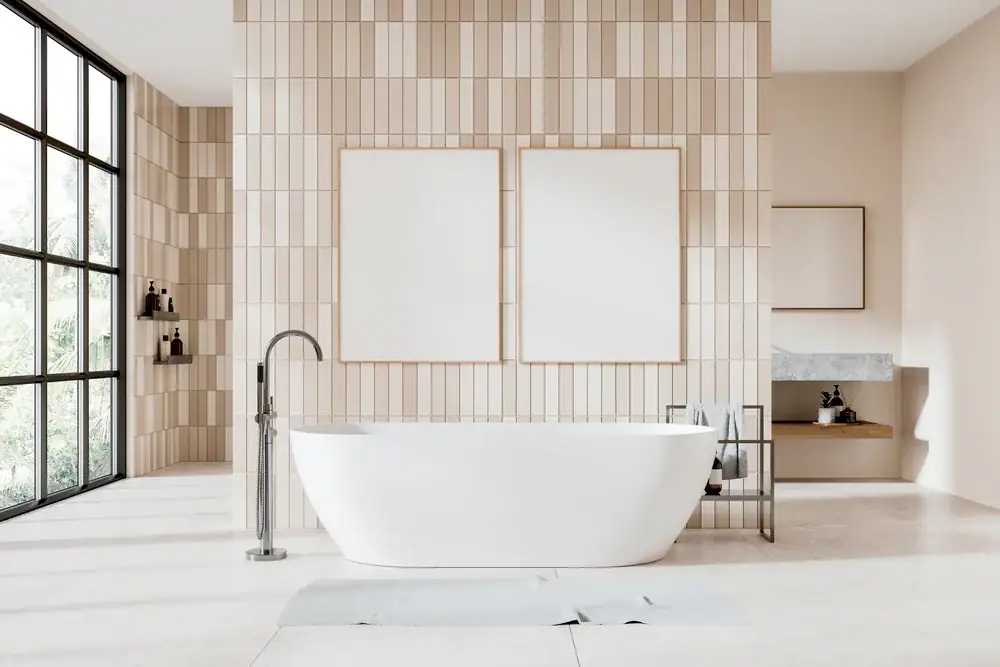
Your kitchen deserves more than a basic upgrade. Discover the design secrets that turn ordinary kitchens into spaces where every meal feels special and every gathering becomes memorable.
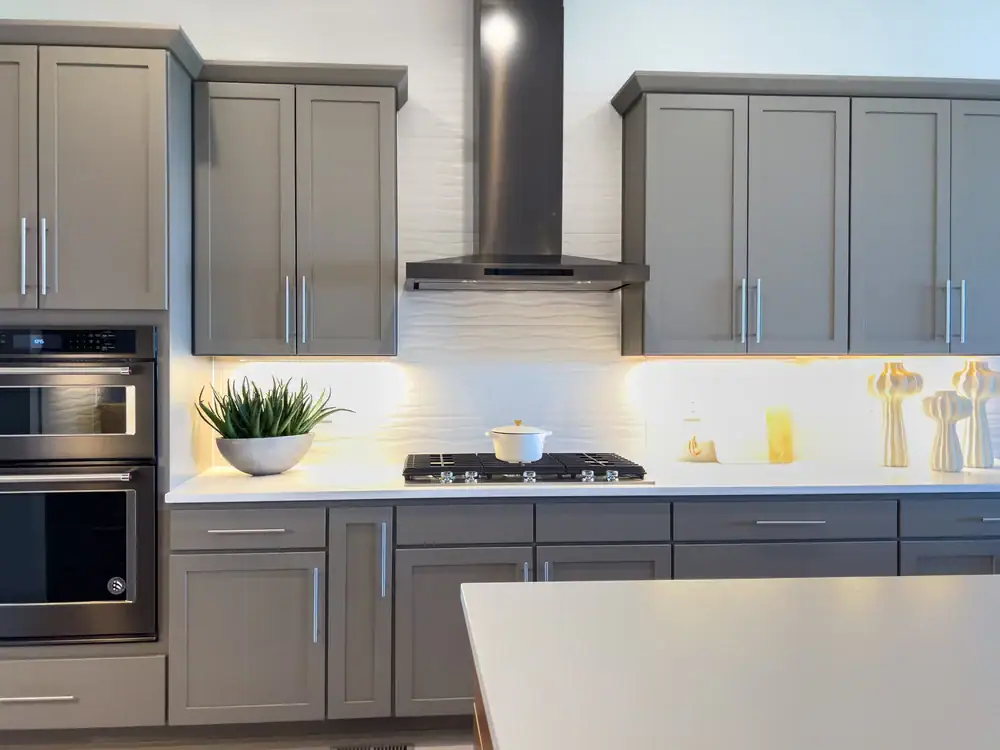
The layout isn’t just where things go. It’s how your kitchen breathes. How you move from fridge to sink to stove without bumping into someone or backtracking across the room.
Walk into most older kitchens and you’ll see the problem immediately. Cabinets stacked to the ceiling creating dark corners. Islands placed where they block traffic instead of improving flow. Countertops that end right where you need them most.
Your kitchen layout determines whether cooking feels effortless or exhausting. It’s the foundation everything else builds on. Get this right, and the rest of your choices become easier.
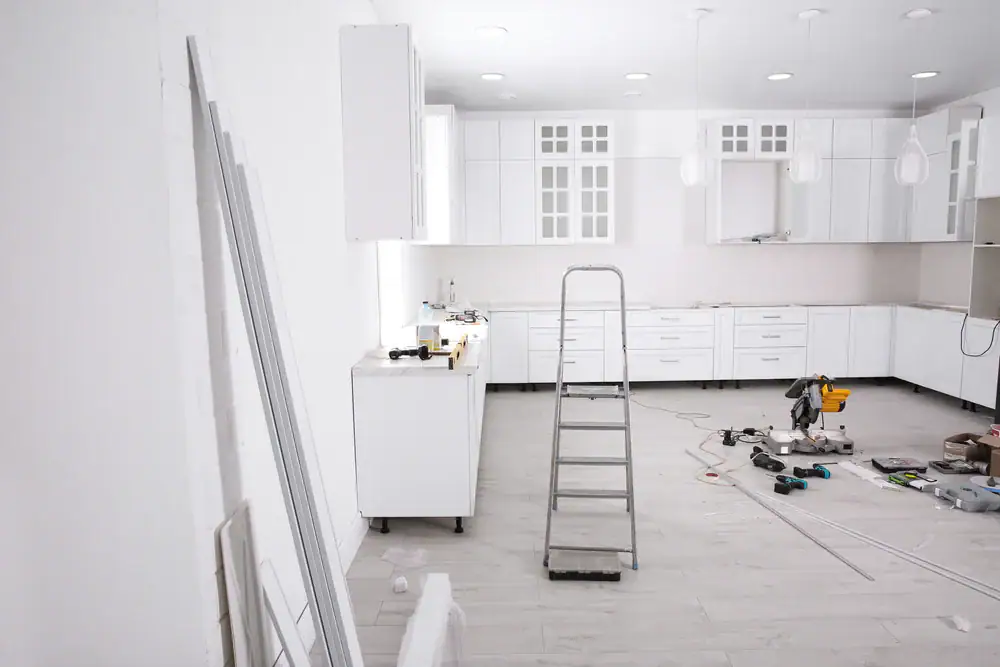
Forget the rigid work triangle you’ve heard about. Modern kitchens need zones, not triangles.
Think about how you actually use your kitchen. You need a prep zone near the sink with enough counter space to set down groceries and chop vegetables. You need a cooking zone around your stove with landing space for hot pots. You need a cleanup zone that doesn’t interfere with someone trying to grab a snack.
In Wake County, NC homes, open-concept layouts continue to dominate because they let the kitchen connect with living areas without feeling cramped. But open doesn’t mean throwing out walls without a plan. It means creating clear zones that serve different purposes while maintaining visual flow.
Your island can be more than a place to eat breakfast. A well-designed island adds prep space, storage, and seating without blocking the natural path through your kitchen. The key is sizing it right for your room. Too big and it becomes an obstacle. Too small and you’re missing an opportunity.
Storage matters more than you think. Deep drawers beat lower cabinets every time because you can see what’s in them without getting on your knees. Pull-out shelves in pantries mean you’re not losing items in the back. Vertical dividers keep baking sheets and cutting boards organized instead of stacked in a precarious pile.
Consider how many people cook in your kitchen at once. If it’s usually just you, a classic layout might work perfectly. If your family likes cooking together or you entertain often, you need multiple work stations that don’t force people to constantly move around each other.
The best layouts anticipate what you’ll need before you reach for it. Utensils near the stove. Dishes near the dishwasher. Coffee supplies in one dedicated spot. These small decisions compound into a kitchen that just works.
Design trends aren’t about chasing what’s new. They’re about understanding what’s proven to work and what homeowners are prioritizing now.
Natural materials are taking over kitchens in 2026. Wood, stone, terracotta, and limewash finishes are replacing the sterile all-white aesthetic that dominated for years. These materials bring warmth and texture that make kitchens feel lived-in rather than staged.
Color is coming back, but not in the way you might expect. Instead of stark whites, homeowners in Horry County, SC and beyond are choosing warm, earthy tones. Soft caramels, muted browns, sage greens, and warm grays create kitchens that feel calm and welcoming. These colors pair beautifully with natural wood and stone, creating a cohesive look that won’t feel dated in five years.
Functionality is driving design choices more than ever. Concealed storage solutions like pocket doors, hidden pantries, and built-in organizational systems are becoming standard rather than luxury upgrades. Homeowners want kitchens that look clean because everything has a place, not because they’re constantly hiding clutter.
Lighting is getting smarter and more layered. Under-cabinet lights illuminate work surfaces. Pendant lights over islands become focal points. Natural light from larger windows or glass doors connects the kitchen to outdoor spaces. The goal is to have the right light for every task and time of day.
Smart storage is about maximizing every inch without making your kitchen feel like a warehouse. Butler’s pantries are gaining popularity in larger homes, providing dedicated space for small appliances, extra dishes, and food storage that would otherwise crowd your main kitchen. Even in smaller spaces, vertical pull-outs, deep drawers with dividers, and corner solutions that actually use dead space are changing how efficiently kitchens function.
The shift toward wellness-focused design means kitchens are becoming more than just cooking spaces. They’re designed to reduce stress, improve air quality with better ventilation, and create environments that make healthy cooking easier and more enjoyable. This includes everything from composting stations to herb gardens to layouts that encourage family interaction.
Technology is integrating more seamlessly. WiFi-enabled appliances, touchless faucets, and smart lighting aren’t about showing off. They’re about making daily tasks simpler and more efficient. The best technology disappears into the design rather than dominating it.
Want live answers?
Connect with a American Dream Floor expert for fast, friendly support.
Materials make or break your kitchen remodeling investment. Not because of how they look on day one, but because of how they hold up to real life.
You need surfaces that can handle hot pans, spilled wine, dropped knives, and daily cleaning without showing their age in a year. You need flooring that stands up to foot traffic, water splashes, and the occasional dropped dish. You need cabinets that close smoothly after thousands of uses.
The right materials don’t just survive your kitchen. They make it easier to maintain and more enjoyable to use. Let’s break down what actually works.
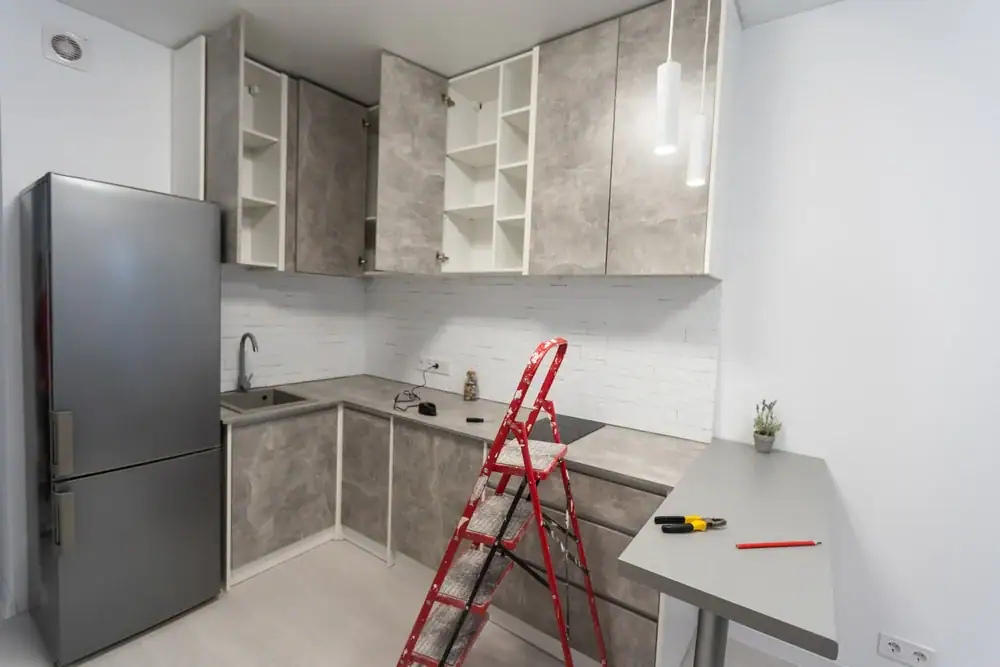
Your countertops take more abuse than any other surface in your kitchen. They need to be durable, but they also set the visual tone for the entire space.
Quartz countertops deliver an unbeatable combination of durability and low maintenance. They’re non-porous, so they resist stains and don’t require sealing like natural stone. They come in a wide range of colors and patterns, including options that mimic natural stone with realistic veining. For busy kitchens where you don’t want to worry about sealing schedules or whether that lemon juice is going to leave a mark, quartz makes sense.
Granite remains a classic choice for good reason. It’s incredibly durable, heat-resistant, and each slab is unique. Yes, it requires periodic sealing, but many homeowners appreciate the natural beauty and the knowledge that their countertops are one-of-a-kind. Granite works especially well in traditional or transitional kitchens where you want that organic, natural look.
The finish matters as much as the material. Matte and honed finishes are replacing high-gloss surfaces because they hide fingerprints, water spots, and minor scratches better. They also create a softer, more sophisticated look that pairs well with the warmer, earthier tones trending in 2026 kitchen design.
Countertop edges can be simple or decorative, but the trend is moving toward cleaner profiles. A simple eased or beveled edge looks timeless and won’t feel dated in a decade. Save the elaborate edge treatments unless they truly fit your home’s style.
Think about how you use your counters. Do you bake often and need a cool surface for rolling dough? Marble might be worth considering for a specific work area. Do you set hot pots directly on counters? Granite and quartz handle heat better than some alternatives. Do you have young kids who might spill juice and forget to wipe it up? Non-porous surfaces will save you headaches.
Waterfall edges on islands are having a moment, and for good reason. They create a sculptural, continuous look that makes your island feel like a piece of furniture rather than just a work surface. This works particularly well with materials that have interesting veining or color variation.
Don’t overlook the practical side of countertop selection. How much overhang do you need for seating? Where will your seams be, and how visible will they be in your layout? What’s your plan for the backsplash, and how will it transition to the countertop? These details separate a good installation from one that looks unfinished.
Your kitchen floor takes a beating. Spills, dropped items, constant foot traffic, chairs scraping, and everything in between. The flooring you choose needs to handle all of it without looking worn out in a few years.
Luxury vinyl flooring has become the smart choice for kitchens, and it’s easy to see why. Modern luxury vinyl plank looks remarkably like real hardwood, with realistic wood grain patterns and textures that feel natural underfoot. But unlike hardwood, it’s completely waterproof. Spill a glass of water or have a dishwasher leak? No problem. Just wipe it up without worrying about warping or water damage.
The practical benefits go beyond water resistance. Luxury vinyl is softer and warmer underfoot than tile, which matters when you’re standing at the counter prepping dinner. It’s quieter too. Drop a pan on vinyl and it won’t echo through your home the way it would on tile or stone. For families with kids or anyone who spends significant time in the kitchen, that comfort factor adds up.
Installation is straightforward, which can mean lower labor costs and faster project completion. Many luxury vinyl products feature click-lock installation systems that create a floating floor, making future repairs or replacements easier if needed. The durability is impressive too. Quality luxury vinyl can last 15-20 years or more with proper care, and it resists scratches, dents, and stains better than many traditional flooring options.
Large-format tiles are another strong option, particularly if you want that high-end look. Bigger tiles mean fewer grout lines, which makes cleaning easier and creates a more seamless appearance. The trend is moving toward warmer tones like taupe and beige rather than cool grays, and rectangular formats rather than perfect squares. These choices create visual interest while maintaining a clean, modern aesthetic.
Hardwood in kitchens can work, but it requires commitment to maintenance. You’ll need to clean up spills immediately, refinish periodically, and accept that wear patterns will develop over time. If you love the authentic look of real wood and you’re willing to care for it properly, hardwood brings unmatched warmth and character. Just know what you’re signing up for.
Cabinets set the tone for your entire kitchen. They’re the largest visual element and one of the biggest investments in your remodeling budget. Quality matters here more than almost anywhere else.
Custom or semi-custom cabinets give you control over dimensions, storage features, and finishes. Off-the-shelf cabinets might save money upfront, but they often lack the durability and functionality that make daily kitchen use easier. Soft-close hinges and drawer glides aren’t luxury features. They’re practical additions that prevent slamming, reduce wear, and make your kitchen quieter and more pleasant to use.
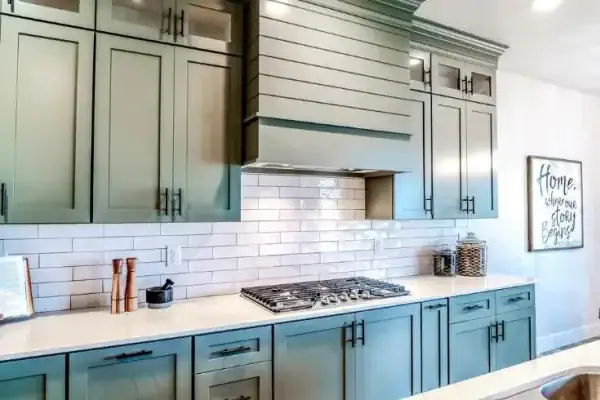
Wood cabinetry is trending toward warmer tones and natural finishes. Smoke-toned walnut, white oak, and cherry bring organic warmth that pairs beautifully with the earth-toned color palettes popular in 2026. Painted cabinets in sage green, navy blue, or warm gray offer another way to add personality without going too bold.
Storage configuration matters more than you might think. Deep drawers with dividers keep pots, pans, and lids organized. Pull-out spice racks put everything at eye level. Vertical dividers for baking sheets and cutting boards prevent the frustrating stack-and-slide situation. Corner cabinets with pull-out shelves or lazy Susans actually use that awkward space instead of creating a black hole where things go to die.
The finish you choose affects both appearance and maintenance. Matte and satin finishes hide fingerprints and smudges better than high-gloss options. They also feel more sophisticated and less trendy, which helps your kitchen age gracefully. If you have kids who like to “help” in the kitchen, this practical consideration becomes even more important.
Hardware might seem like a small detail, but it’s what you touch every single day. Brushed brass and matte black are popular choices that add warmth and character without overwhelming the design. The key is consistency. Choose a finish and repeat it across all your hardware, lighting, and plumbing fixtures to create a cohesive look.
Your kitchen should work for how you actually live, not how someone else thinks you should live. That means making choices based on your cooking habits, your family’s needs, and your long-term plans for your home.
Start with function. Get the layout right, maximize storage, and choose durable materials that won’t require constant maintenance. Then layer in the design elements that make the space feel like yours. Natural materials, warm colors, and thoughtful lighting create kitchens that feel welcoming rather than sterile.
The return on investment for kitchen remodeling is strong, especially when you focus on practical updates that improve both function and appearance. But the real value is in creating a space you actually want to spend time in. A kitchen where cooking doesn’t feel like a chore. Where family and friends naturally gather. Where every meal has the potential to feel a little more special.
At American Dream Flooring And Tile, we bring over 30 years of experience to kitchen and bathroom remodeling projects across Wake County, NC and Horry County, SC. From flooring selection to complete kitchen transformations, we handle the details that make the difference between a renovation that frustrates and one that delivers exactly what you need.
Summary:
Article details:
Share: