Choosing flooring isn't just about looks—it's about finding what actually works for how you live. Here's what you need to know before you decide.
The best flooring for homes isn’t universal—it’s personal. What works for your neighbor might be completely wrong for you, not because one material is better than another, but because different homes have different demands.
Some rooms get soaked regularly. Others see constant foot traffic. Some homeowners have time for regular maintenance. Others need something they can ignore for months and it’ll still look fine.
Before you get attached to a specific look, you need to think about what your space actually requires. That means considering moisture exposure, how much wear the floor will take, whether you have pets or kids tracking things in, and how much time you’re realistically going to spend caring for it. Get those factors clear first, and the decision gets a lot easier.
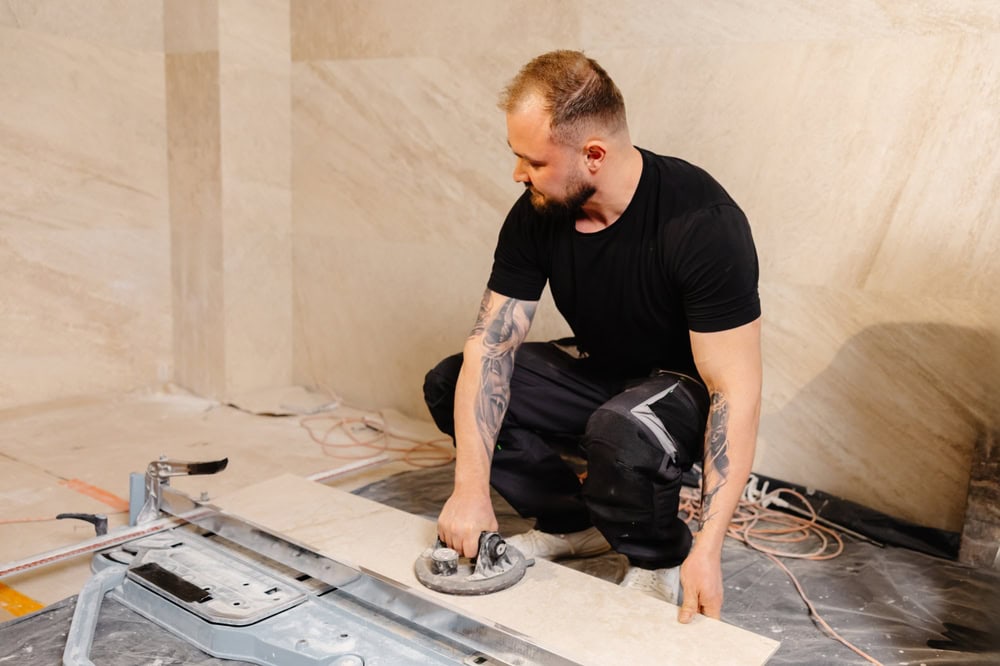
If you’re in Wake County, NC or Horry County, SC, you already know the humidity doesn’t mess around. What you might not know is how much that humidity affects your flooring options.
Wood expands and contracts with moisture changes. When humidity levels swing outside the ideal range of 30 to 50 percent, hardwood can cup, warp, or develop gaps between planks. It’s not a flaw in the product—it’s just how wood behaves. Solid hardwood is more sensitive to these changes than engineered hardwood, which uses layered construction to stay more stable when conditions fluctuate.
Laminate can handle some moisture, but it’s not waterproof. If water sits on it or seeps into seams, you’re looking at swelling and buckling. That makes it a risky choice for basements, bathrooms, or homes near the coast where humidity stays high.
Luxury vinyl plank and tile, on the other hand, don’t care about humidity. Vinyl is completely waterproof when installed correctly, and tile naturally resists moisture. Both materials stay stable no matter what the weather’s doing outside, which is why they’re so popular in coastal areas like Myrtle Beach and homes throughout the Carolinas that deal with seasonal humidity swings.
If you live in an area with high humidity or temperature changes, your material choice isn’t just about style. It’s about picking something that won’t fight against your local climate.
Not every room in your home needs the same flooring. A bedroom doesn’t get the same abuse as a kitchen. An entryway sees more dirt and moisture than a living room. Matching the material to the room’s actual function saves you from premature wear and constant frustration.
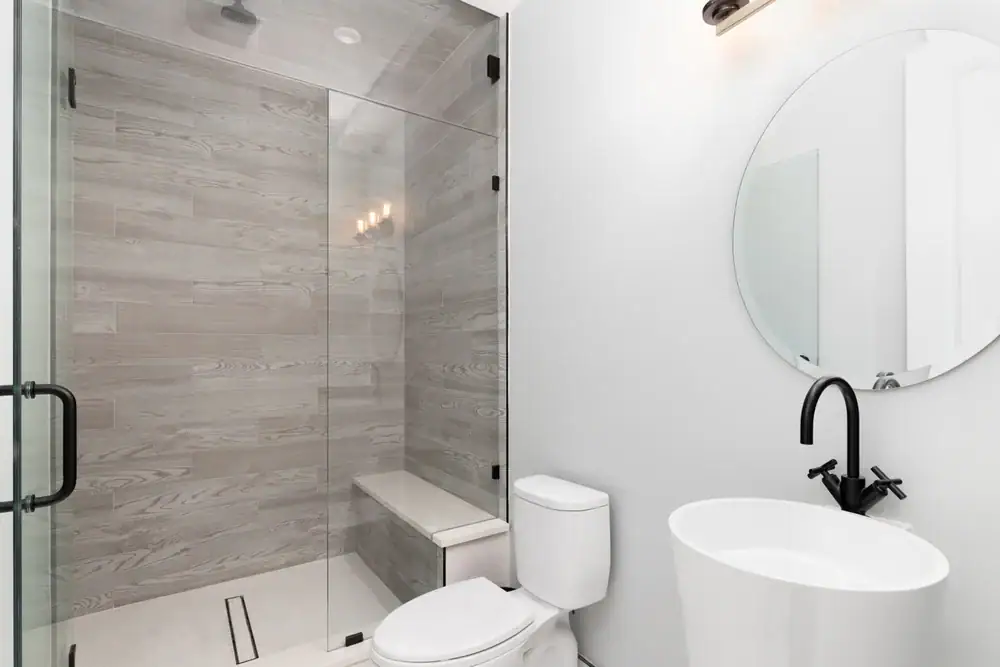
Kitchens and bathrooms need water resistance. Period. Tile and luxury vinyl plank are the go-to choices here because they can handle spills, splashes, and humidity without breaking down. Hardwood can work in a kitchen if you’re diligent about wiping up water immediately, but it’s not the safest bet if you’re prone to leaving wet messes.
High-traffic areas like hallways and entryways demand durability. Tile and vinyl hold up best under constant foot traffic. Hardwood can work if you choose a harder species like oak or hickory and opt for a matte finish that hides scratches. Laminate is a budget-friendly option, but it won’t last as long as vinyl or tile in heavy-use zones.
Bedrooms and low-traffic spaces give you more flexibility. This is where carpet, softer woods, or laminate can shine because they’re not getting beaten up daily. Comfort becomes more important than indestructibility.
Basements present their own challenge. Concrete subfloors and potential moisture issues rule out solid hardwood entirely. Engineered hardwood, luxury vinyl, and tile are your best options because they can handle the cooler, damper conditions without warping or developing mold.
The biggest mistake homeowners make is choosing flooring that looks great but doesn’t match how the room is actually used. A gorgeous white oak floor in a mudroom sounds nice until you’re scrubbing mud out of the grain every week. Think about the room’s job first, then find a material that can handle it.
Want live answers?
Connect with a American Dream Floor expert for fast, friendly support.
Every flooring material has trade-offs. Hardwood offers timeless beauty but demands more care. Vinyl gives you durability and water resistance but won’t add as much resale value. Tile is nearly indestructible but can feel cold and hard underfoot.
Understanding these trade-offs means you won’t be surprised six months in when you realize your floor isn’t behaving the way you expected. Here’s what each material actually delivers—and where it falls short.
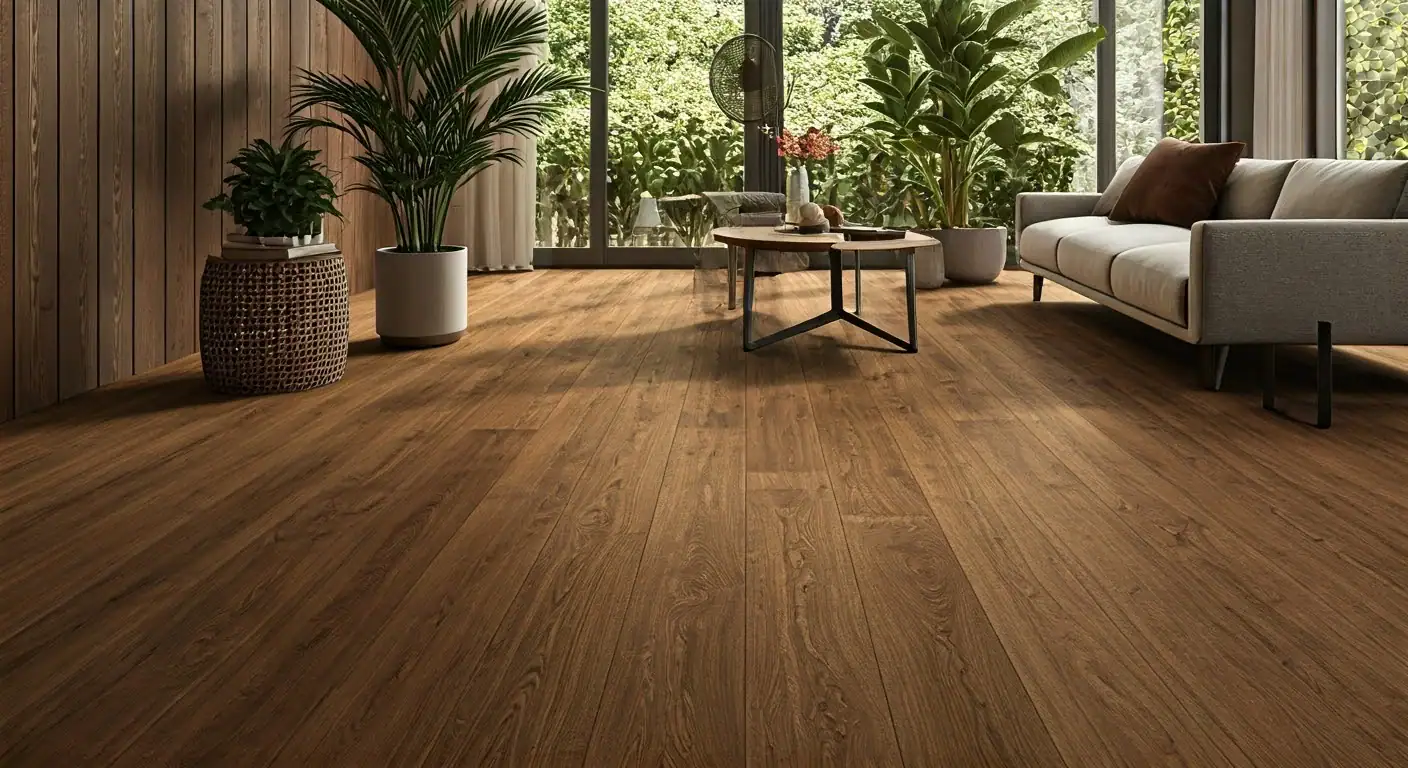
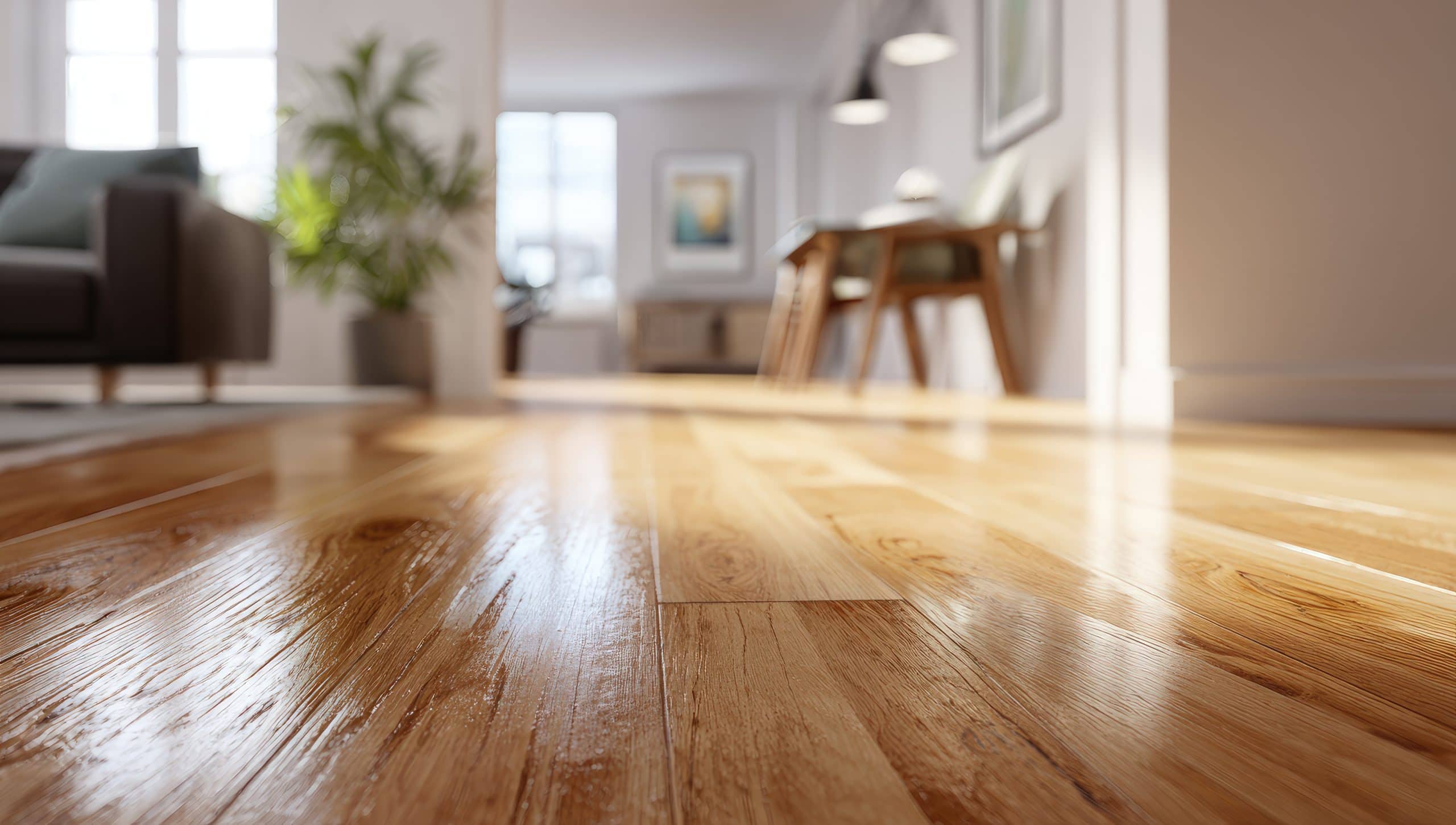
Hardwood has been the standard for a reason. It’s warm, it’s classic, and it adds real value to your home. When it’s maintained properly, it can last for generations. You can refinish it multiple times, which means scratches and wear don’t have to be permanent.
But hardwood isn’t bulletproof. It scratches more easily than tile or vinyl, especially softer species like pine. Water is its enemy—leave a spill sitting, and you’re risking stains, warping, or cupping. It’s also sensitive to humidity, which means it needs a stable indoor environment to perform well.
Solid hardwood can’t go below grade, so basements are off-limits. Engineered hardwood is more stable and can handle those spaces, but it still doesn’t love moisture. If you have pets with long nails, you’ll see scratch marks. If you have kids who spill things, you’ll need to stay on top of cleanup.
Cost is another factor. Hardwood is one of the more expensive flooring options, both for materials and installation. Pre-finished oak or maple typically runs around $4 to $14 per square foot for materials, with installation adding another $3 to $5 per square foot. That puts you around $8 to $15 per square foot total for mid-range options. Exotic woods like mahogany or teak can push well beyond $25 per square foot just for materials.
Maintenance isn’t complicated, but it’s consistent. You need to sweep regularly to keep grit from scratching the surface. You’ll want to use the right cleaning products—no harsh chemicals or excessive water. And depending on wear, you might need to refinish every 7 to 10 years, which costs $3 to $5 per square foot.
Hardwood works best in living rooms, dining rooms, bedrooms, and hallways where moisture isn’t an issue and you’re willing to put in the care. It’s a long-term investment that pays off if you’re planning to stay in your home or if resale value matters to you. But if you need something more forgiving or waterproof, it’s not the right fit.
Luxury vinyl plank has come a long way. It used to be the budget option that looked obviously fake. Now, it mimics hardwood and stone so well that most people can’t tell the difference from across the room. And it does it while being completely waterproof, scratch-resistant, and easier to maintain than almost any other flooring type.
Vinyl is built in layers—a waterproof core, a high-resolution image layer, and a tough wear layer on top. That construction makes it incredibly durable. It can handle spills, pet accidents, dropped items, and heavy foot traffic without showing much wear. The waterproof core means you can install it in kitchens, bathrooms, basements, and laundry rooms without worry.
Installation is straightforward. Many luxury vinyl products use a click-lock system, which makes them DIY-friendly if you’re comfortable with that. Professional installation is still recommended for the best results, but it’s faster and less expensive than hardwood installation.
Vinyl is softer and warmer underfoot than tile, which makes it more comfortable in spaces where you’re standing for long periods. It also absorbs sound better than hard surfaces like tile or hardwood, so it’s quieter when people are walking around.
The downsides? Vinyl doesn’t add as much resale value as hardwood. It’s a synthetic product, so it won’t have the same longevity or refinishing potential. Once the wear layer is damaged, you can’t sand it down and start fresh—you have to replace it. And while high-quality vinyl looks great, cheaper versions can still look obviously artificial, especially if they have too much gloss.
Cost-wise, luxury vinyl plank typically runs between $2 and $7 per square foot for materials, with installation adding another $2 to $3 per square foot. That puts you around $5 to $10 per square foot total, making it one of the most budget-friendly options that still delivers on performance and appearance.
Vinyl works in almost any room. It’s ideal for busy households, homes with pets or kids, and spaces where moisture is a concern. If you want the look of hardwood without the maintenance demands or the water sensitivity, luxury vinyl plank is hard to beat.
Tile flooring—whether porcelain, ceramic, or natural stone—is as close to indestructible as you’re going to get. It doesn’t scratch, dent, or warp. Water can sit on it all day and it won’t care. It’s resistant to stains, fading, and wear. If you need flooring that will outlast everything else in your home, tile is the answer.
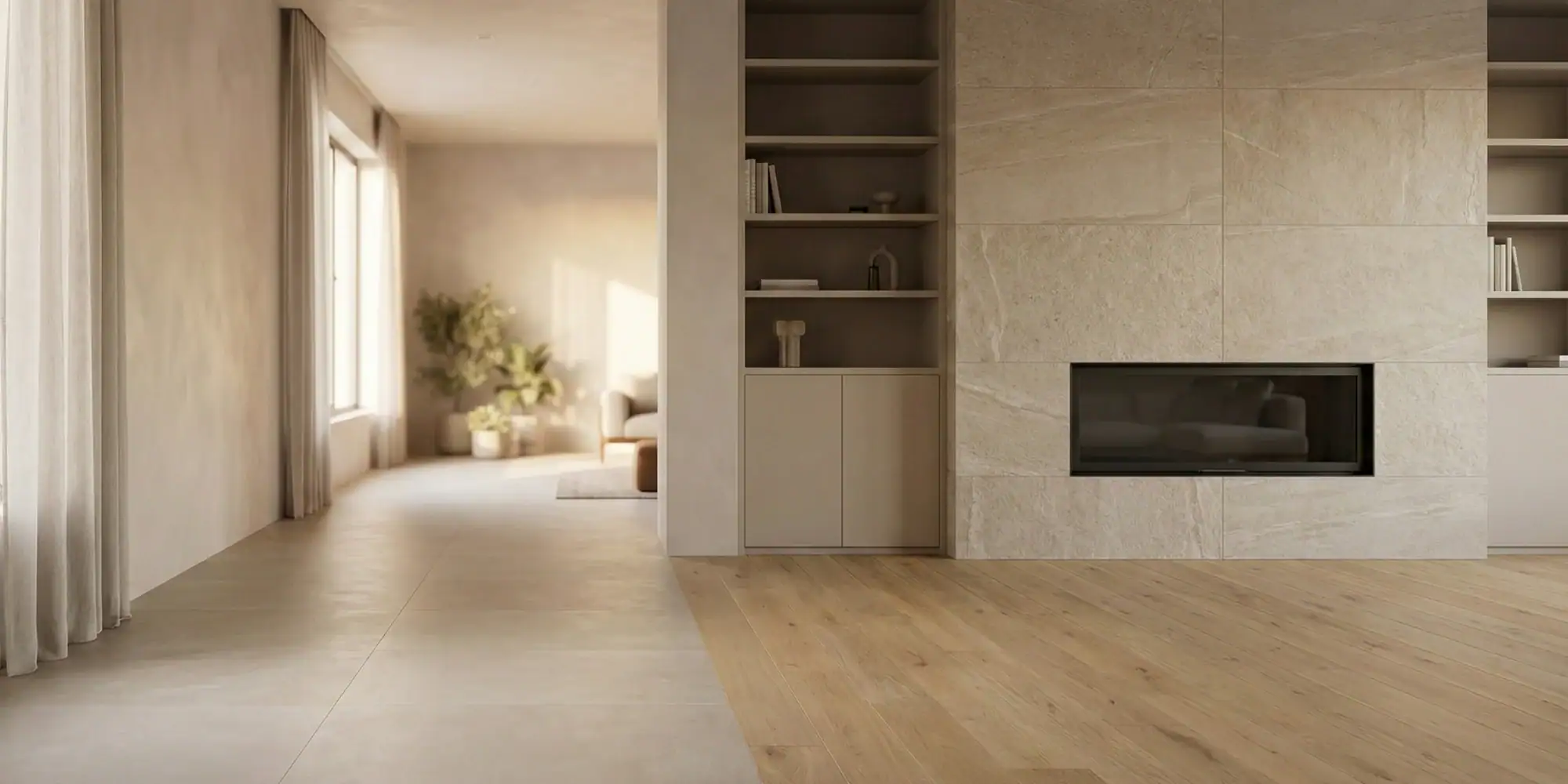
Porcelain and ceramic tile are the most common choices for residential flooring. Porcelain is denser and more water-resistant, which makes it ideal for bathrooms, mudrooms, and basements. Ceramic is slightly softer and more affordable, but it still performs well in most indoor applications. Natural stone tile like slate or travertine offers unique beauty, but it requires sealing and more maintenance than porcelain or ceramic.
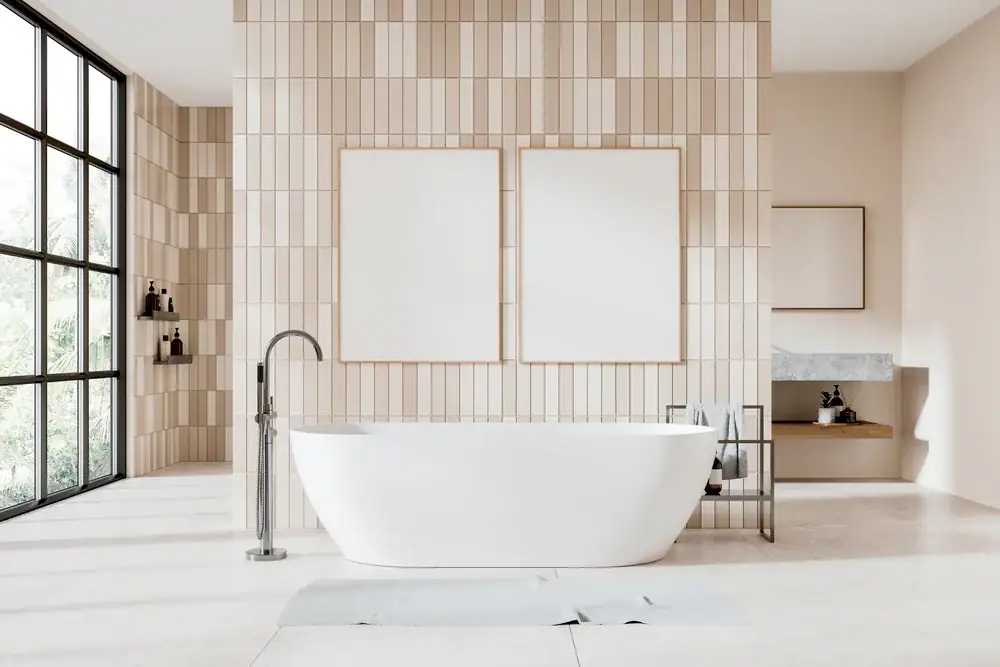
Tile works in any room, but it’s especially valuable where water is a factor. Bathrooms, kitchens, laundry rooms, and entryways benefit from tile’s waterproof nature and easy cleanup. You can mop it, scrub it, and throw whatever mess at it without worrying about damage.
The trade-offs? Tile is hard and cold underfoot. That makes it less comfortable in spaces where you’re standing or walking barefoot frequently. It’s also noisy—footsteps echo more than they do on vinyl or hardwood. And if you drop something heavy, there’s a chance the tile will crack, though that’s rare with quality installation.
Grout lines are another consideration. Grout can stain and collect dirt over time, especially lighter colors. You’ll need to clean grout regularly and reseal it every year or two to keep it looking fresh. Larger format tiles reduce the number of grout lines, which cuts down on maintenance.
Cost varies widely depending on the type of tile. Basic ceramic tile can start around $1 to $3 per square foot for materials, while high-end porcelain or natural stone can run $10 to $20 per square foot or more. Installation is labor-intensive, typically adding $5 to $10 per square foot, which makes tile one of the more expensive options upfront.
But tile pays off in longevity. It can last 50 years or more with minimal maintenance, and it doesn’t need refinishing or replacement like other materials. If you’re looking for the best flooring for homes with heavy moisture exposure, high traffic, or pets, tile delivers performance that’s tough to match.
Summary:
Article details:
Share: