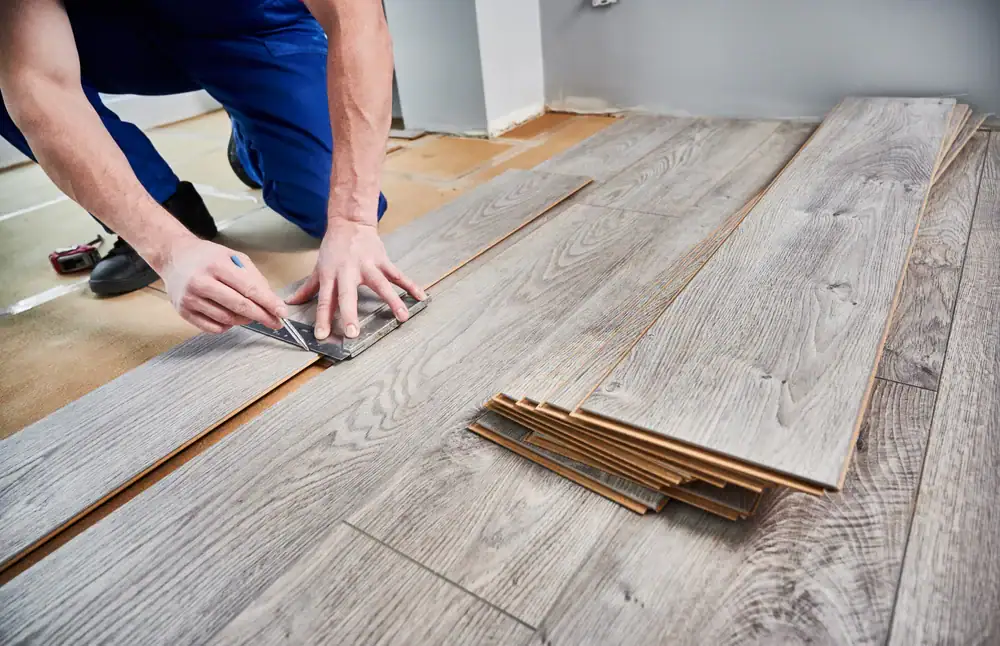
Laminate Flooring Wake County, NC & Horry County, SC

Beautiful Floors That Handle Real Life

You want floors that look expensive but won’t drain your savings. Laminate flooring gives you the rich look of hardwood with the durability to handle kids, pets, and everything in between—at a price that actually makes sense.

Over 25 Years Experience

Professional Installation Crews

Lifetime Installation Warranty

Free In-Home Estimates

Laminate Flooring Solutions for Wake County, NC & Horry County, SC

The Smart Alternative to Hardwood

Laminate flooring has come a long way. Today’s options look remarkably realistic, with detailed grain patterns and textures that fool even experienced eyes. The difference? You’re paying a fraction of what hardwood costs, and you’re getting floors that resist scratches, dents, and water damage better than traditional wood ever could. We work with top brands like Pergo and Mohawk to bring you flooring that performs. Whether you need waterproof protection for your kitchen or durable surfaces for high-traffic hallways, laminate handles it. The installation is faster than hardwood, the maintenance is simpler, and the results speak for themselves.

Waterproof Laminate Flooring Options

When Water Resistance Actually Matters

Not all laminate is created equal. Standard laminate can handle light moisture if you clean it up quickly. Waterproof laminate? That’s a different story. Brands like Pergo with WetProtect technology and Mohawk’s RevWood line feature sealed cores and tight locking systems that prevent water from penetrating through seams. This matters in kitchens where spills happen daily. It matters in bathrooms where humidity is constant. It matters in basements where moisture creeps in. Traditional laminate would buckle and warp in these spaces. Waterproof laminate shrugs it off. The technology involves treated cores that won’t swell even when saturated, plus edge sealing that stops water from traveling between planks. You’re not just getting surface protection—you’re getting full-coverage waterproofing that protects your subfloor too. For families with pets or kids in Wake County and Horry County homes, this isn’t a luxury feature. It’s peace of mind built into every plank.

Benefits of Laminate Flooring Installation

What You Actually Get

These aren’t just floors—they’re a practical investment that improves how you live in your home every single day without the constant worry.

Pergo and Mohawk Laminate Flooring

We Work With Brands That Actually Deliver

Pergo pioneered laminate flooring decades ago and they’re still leading with innovation. Their Outlast+ line offers 24-hour spill protection. Their TimberCraft collection is fully waterproof with realistic embossing that matches the visual grain. When they say lifetime warranty, they mean it. Mohawk brings similar performance with their RevWood Plus technology. The HydroSeal finish and Uniclic joints create waterproof barriers that handle real-world chaos. Their scratch-resistant surfaces use advanced coatings that outperform standard residential-grade laminate by a significant margin. American Dream Flooring And Tile carries these brands because they’ve proven themselves in thousands of homes across North Carolina and South Carolina. You’re not gambling on unknown quality. You’re getting floors backed by companies that have spent years perfecting their products. The price difference between budget laminate and these proven performers is smaller than you’d think—and the performance gap is massive. When you’re making a 15 to 20-year investment, that matters.
Let’s Build Something You’ll Love

Tell us about your space and your goals, and we’ll help you turn your ideas into a finished result that fits your home.

Common questions about Laminate

It depends on the type of laminate you choose. Standard laminate can handle occasional spills if cleaned quickly, but it’s not ideal for high-moisture areas. Waterproof laminate flooring—like Pergo’s WetProtect or Mohawk’s RevWood lines—is specifically engineered for kitchens and bathrooms. These products feature sealed cores and edges that prevent water from penetrating through seams, even when liquid sits on the surface for extended periods. The core materials are treated to resist swelling, and the locking systems create watertight barriers. For bathrooms, kitchens, laundry rooms, or basements, waterproof laminate is the smart choice. We’ll help you select the right product based on where you’re installing and how much moisture exposure to expect.
Laminate costs significantly less than hardwood—typically $3 to $8 per square foot installed versus $8 to $15 or more for hardwood. But the value goes beyond initial price. Laminate resists scratches, dents, and fading better than most hardwood species because of its protective wear layer. It doesn’t need sanding or refinishing, which hardwood requires every 7 to 10 years at considerable expense. Modern laminate looks remarkably realistic with detailed grain patterns and textures that closely mimic real wood. The tradeoff is lifespan: quality laminate lasts 15 to 20 years, while hardwood can last 30 to 100 years if maintained properly. For most families, laminate offers better performance for active households at a fraction of the cost. You get beautiful floors that handle real life without the premium price tag or high-maintenance requirements.
Quality laminate flooring is specifically designed to resist scratches from pets and kids. The wear layer—the protective top coating—determines scratch resistance. Look for laminate with an AC3 rating or higher for residential use, or AC4 to AC5 for heavy traffic areas. Brands like Pergo use ScratchGuard technology with aluminum oxide coatings that significantly outperform standard surfaces. Mohawk’s scratch-resistant finishes are tested against pet claws and everyday impacts. That said, no floor is completely scratch-proof. Keeping pet nails trimmed, using furniture pads, and cleaning up grit and debris promptly will extend your floor’s life. The advantage of laminate over hardwood is that the scratch-resistant layer is built in during manufacturing—it’s not a finish that wears away over time. For families with large dogs or active kids, laminate often performs better than traditional hardwood.
Most laminate flooring installations take one to three days depending on the size of the area and complexity of the layout. A standard bedroom or living room can often be completed in a single day. Larger projects covering multiple rooms or entire floors typically take two to three days. The process involves removing old flooring if necessary, preparing and leveling the subfloor, installing underlayment, laying the laminate planks, and installing trim and transitions. Laminate installs faster than hardwood because it’s a floating floor system—planks click together and aren’t nailed or glued down. This also means you can walk on it immediately after installation. We’ll give you a specific timeline during your consultation based on your project scope. Our goal is to minimize disruption while ensuring proper installation that lasts.
Laminate flooring is one of the easiest flooring types to maintain. Regular sweeping or vacuuming removes dirt and grit that could cause surface scratches over time. For deeper cleaning, use a damp mop with a laminate-specific cleaner or a pH-neutral solution—never use excessive water or steam mops, which can damage seams even on water-resistant laminate. Clean up spills promptly, even with waterproof varieties, to prevent staining. Avoid harsh chemicals, abrasive cleaners, or wax-based products that can dull the finish. Use furniture pads under heavy items and area rugs in high-traffic zones to extend your floor’s life. Unlike hardwood, laminate never needs sanding, refinishing, or special treatments. The protective wear layer is permanent. This low-maintenance nature is one of laminate’s biggest advantages—you get beautiful floors without the ongoing upkeep costs and effort that hardwood demands.
Yes, laminate flooring can often be installed over existing floors, which saves time and money on removal. Laminate works well over tile, vinyl, concrete, and even existing laminate or hardwood, provided the surface is level, stable, and dry. The subfloor must be flat within manufacturer specifications—typically within 3/16 inch over a 10-foot span. Uneven surfaces cause planks to shift and gaps to form over time. We’ll assess your existing floor during the consultation to determine if it’s suitable or if removal and preparation are necessary. Installing over existing flooring also raises the floor height slightly, which can affect door clearances and transitions to adjacent rooms. Our installers handle these details, including trimming doors if needed and installing transition strips for smooth connections between rooms. The key is proper evaluation upfront—cutting corners on subfloor preparation leads to problems down the road.

Need more information?