Stop second-guessing your flooring decisions. Here's what actually matters when choosing floors that work for how you live—not just how they look in a showroom.
Choosing flooring isn’t just about picking the prettiest sample; it’s about a reality check. You need flooring that handles your actual life—not some filtered Instagram version where nobody spills red wine, pets don’t have claws, and traffic is limited to a light breeze.
Start with how you live. Do you have two dogs that think the hallway is a NASCAR track and three kids under 10 who treat the living room like a juice-box splash zone? You’re not a candidate for delicate, high-gloss hardwood, no matter how much you love the look. Luxury vinyl plank (LVP) gives you the aesthetic without the “please don’t walk there” anxiety. On the flip side, if you live alone and your biggest traffic concern is a robotic vacuum, your options open up significantly.
Climate also matters more than most people realize. Wake County, NC and Horry County, SC both deal with enough humidity to make your hair double in size—and it does the same thing to your floors. Materials that work beautifully in the desert of Arizona might buckle or swell here like a marshmallow in a microwave.
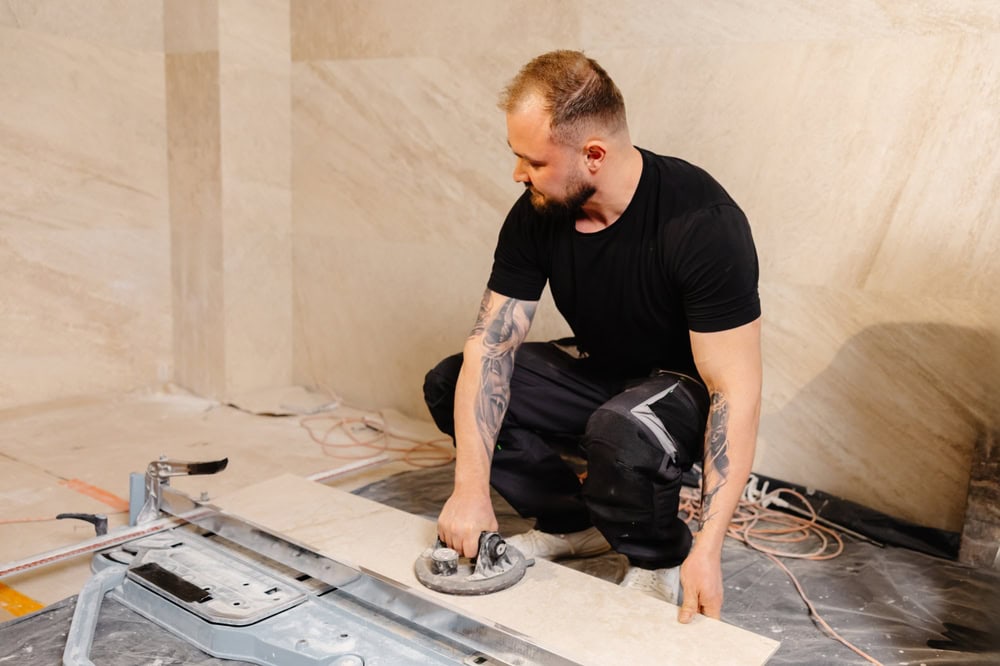
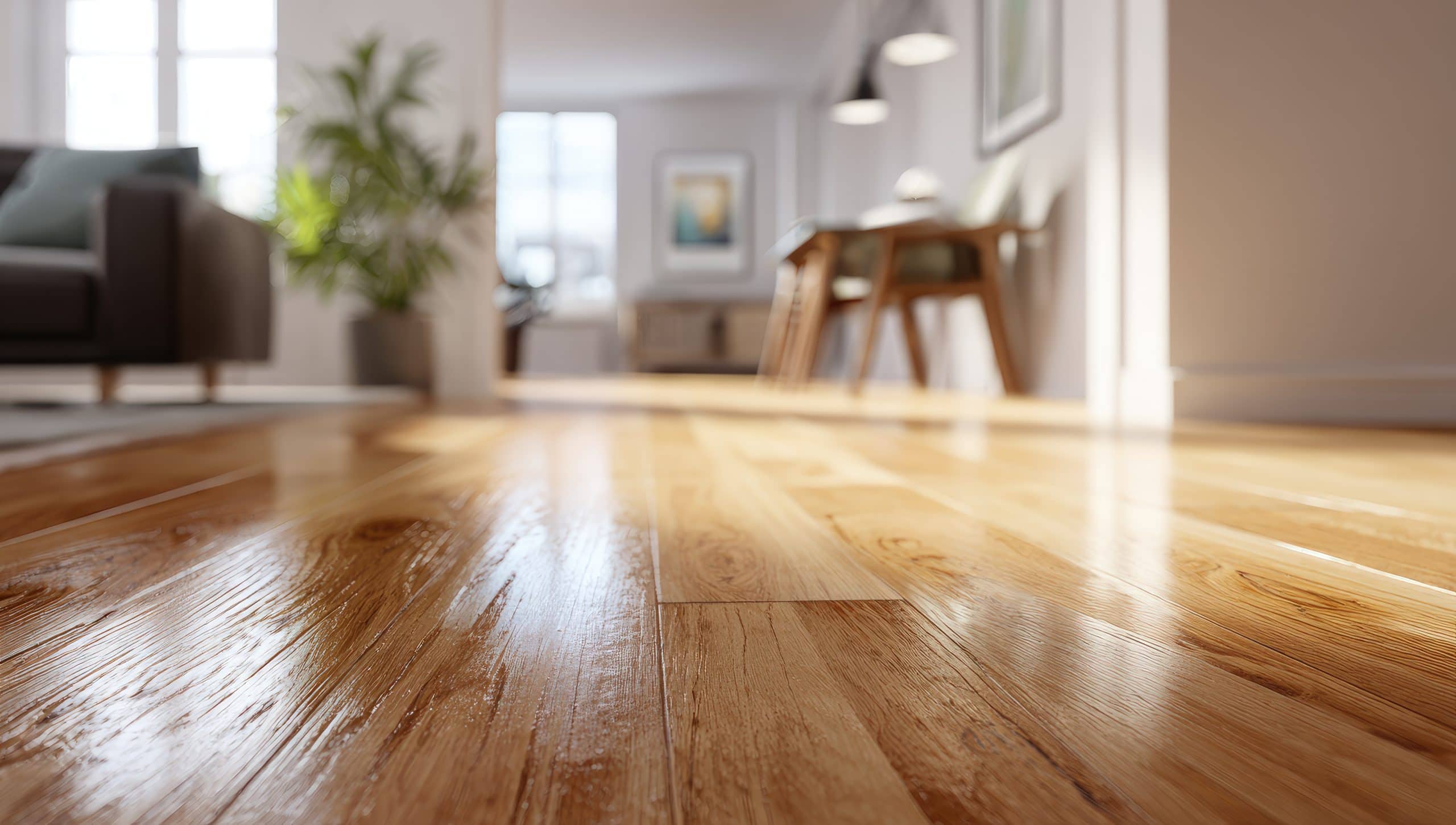
Hardwood is the “OG” of flooring. It’s actual wood—solid planks or engineered layers with a real wood veneer. It’s durable, adds legitimate resale value, and can be refinished multiple times. The trade-off? It hates moisture, scratches if you look at it too hard, and costs more upfront than its synthetic cousins. If you’re in a dry area and plan to stay in your home long-term, it’s a classic choice.
Laminate is basically a high-resolution photo of wood glued to compressed fiberboard. It’s the “stunt double” of flooring—it looks like the star but can take a punch. It’s more scratch-resistant than hardwood, but it can’t be refinished. Once it’s damaged, you’re replacing planks, not sanding them down.
Luxury Vinyl Plank (LVP) is the current heavyweight champion of the flooring world. It’s fully synthetic, 100% waterproof, and so realistic that your guests will have to get on their hands and knees to tell the difference (which makes for a weird party, but hey, the floors look great). It’s the go-to for bathrooms, kitchens, and anywhere a “water event” might occur. The downside? It won’t add the same “heirloom” resale value as real oak or hickory.
The biggest mistake? Choosing based purely on looks without considering your household’s “chaos factor.” A floor that looks amazing but can’t handle your life will frustrate you faster than a “buffer” wheel on a slow internet connection.
Installation quality is the difference between a floor that lasts 20 years and one that starts acting like a jigsaw puzzle after two. You can buy the most expensive flooring in the world, but if the installation is rushed, you’ll be dealing with gaps, squeaks, and “character” you didn’t ask for.
Here’s what separates the pros from the “I know a guy” amateurs. First: subfloor prep. If your installer doesn’t spend time cleaning and leveling the surface underneath, your new floor will eventually mirror every bump and dip. It’s like putting a tuxedo on a mannequin made of lumpy mashed potatoes—it’s just not going to look right.
Second: acclimation. Wood and laminate need to “hang out” in your home for several days to adjust to the humidity. If an installer shows up and starts laying planks immediately, they’re basically inviting your floor to expand and buckle later. In the Carolinas, skip-the-acclimation is a recipe for disaster.
Third: expansion gaps. Floors need room to breathe. If someone installs your floor tight against the walls without leaving a gap (which is hidden by trim), your floor will have nowhere to go when it expands. It will eventually “tent” up like a camping trip you never wanted.
Ask potential contractors about their process. If they can’t explain their subfloor prep or they think “acclimation” is a type of yoga, keep looking.
Want live answers?
Connect with a American Dream Floor expert for fast, friendly support.
Realistic timelines prevent you from wanting to move into a hotel. Most flooring projects for a single room take 1–3 days of actual labor. Whole-home projects usually take 1–2 weeks.
But don’t forget the “pre-game.” You have to factor in material ordering (2–6 weeks for most products), scheduling the crew, and the time it takes to move your furniture. If a contractor tells you they can gut your house and install new floors in 24 hours, they’re either a wizard or they’re about to do a very bad job.
Bathroom remodeling is a whole different beast—typically 4–8 weeks because you’re coordinating a tiny room where five different trades need to work without stepping on each other’s toes. It’s like a very expensive, very slow game of Twister.
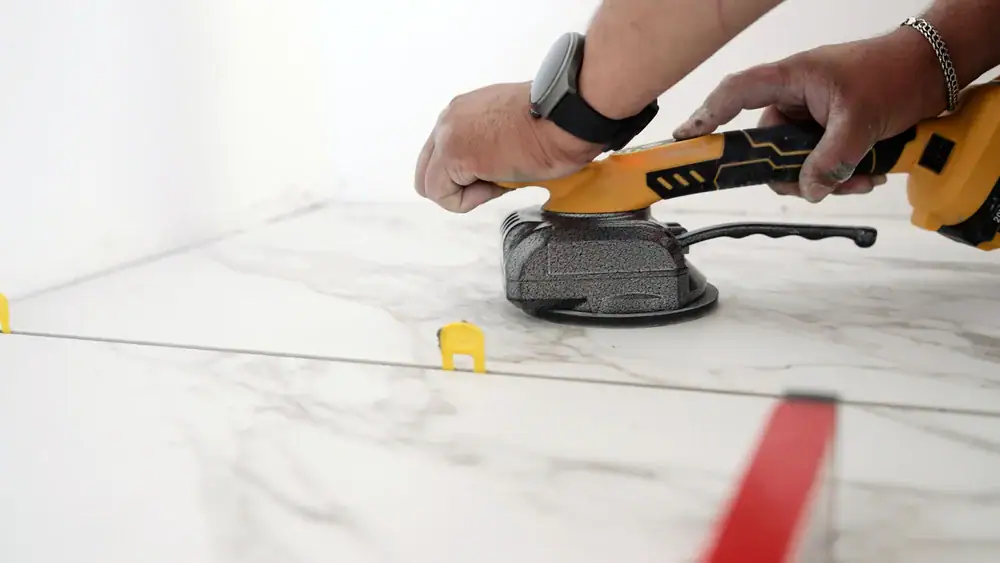
Delays usually happen for three reasons: backordered materials, “subfloor surprises,” and poor planning. If you pick a rare reclaimed wood from a specific forest in Norway, expect to wait. If we pull up your old carpet and find a rotted subfloor that looks like Swiss cheese, we have to fix it. This isn’t us stalling; it’s us making sure your new floor doesn’t fall into the crawlspace.
The contractors who finish on time are the ones who communicate. We order materials early and confirm they’re actually on the truck before we start tearing up your house. We build “buffer time” into the schedule because we know that in construction, the unexpected is the only thing you can expect.
If a contractor gives you an unrealistically fast timeline with no wiggle room, be skeptical. Quality takes time; “fast” usually just takes shortcuts.
Warranties can be as confusing as a 1,000-piece puzzle of a clear blue sky. Most flooring comes with two: a manufacturer warranty (covering the product) and an installation warranty (covering the work).
The manufacturer warranty covers defects like the finish peeling off for no reason. It doesn’t cover your dog using the hallway as a bathroom, your kid using the floor as a canvas for permanent markers, or you using a steam mop on wood (please don’t do that).
The installation warranty is where the rubber meets the road. If a plank comes loose or a tile cracks because the subfloor wasn’t prepped, that’s on the installer. A 1-year warranty is common, but a lifetime installation warranty is the gold standard. It shows the contractor believes their crew knows what they’re doing.
Always get it in writing. If someone says “Don’t worry, I’ll take care of it,” but won’t put it in the contract, they won’t be taking care of it. A warranty from a company that’s been around for 25 years is a promise; a warranty from a guy who just started his business yesterday is a gamble.
You don’t need a PhD in flooring; you just need someone to tell you the truth. The right floor isn’t necessarily the most expensive one—it’s the one that survives your life, fits your budget, and is installed by people who treat your home with respect.
No matter if you’re looking for the timeless beauty of hardwood or the “bulletproof” nature of luxury vinyl, the key is quality. Don’t be seduced by the lowest bid or the flashiest showroom lighting. Look for the track record.
If you’re in Wake County or Horry County and want to talk through your options without the high-pressure sales pitch, we’ve been doing this at American Dream Flooring And Tile since before most people even knew what LVP was. Real timelines, transparent pricing, and a lifetime warranty to back it all up.
Summary:
Article details:
Share: