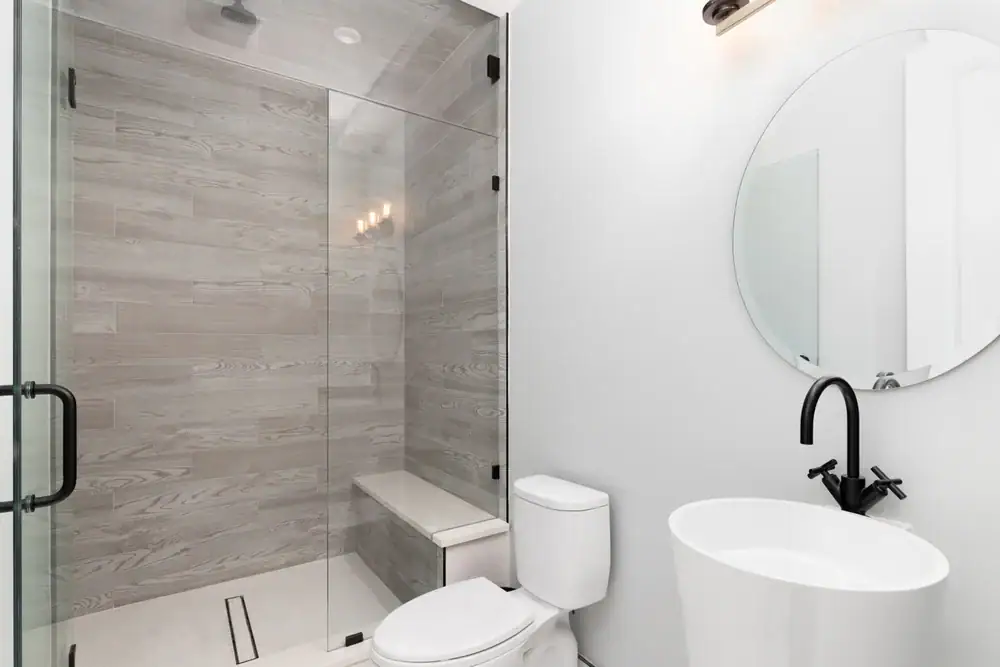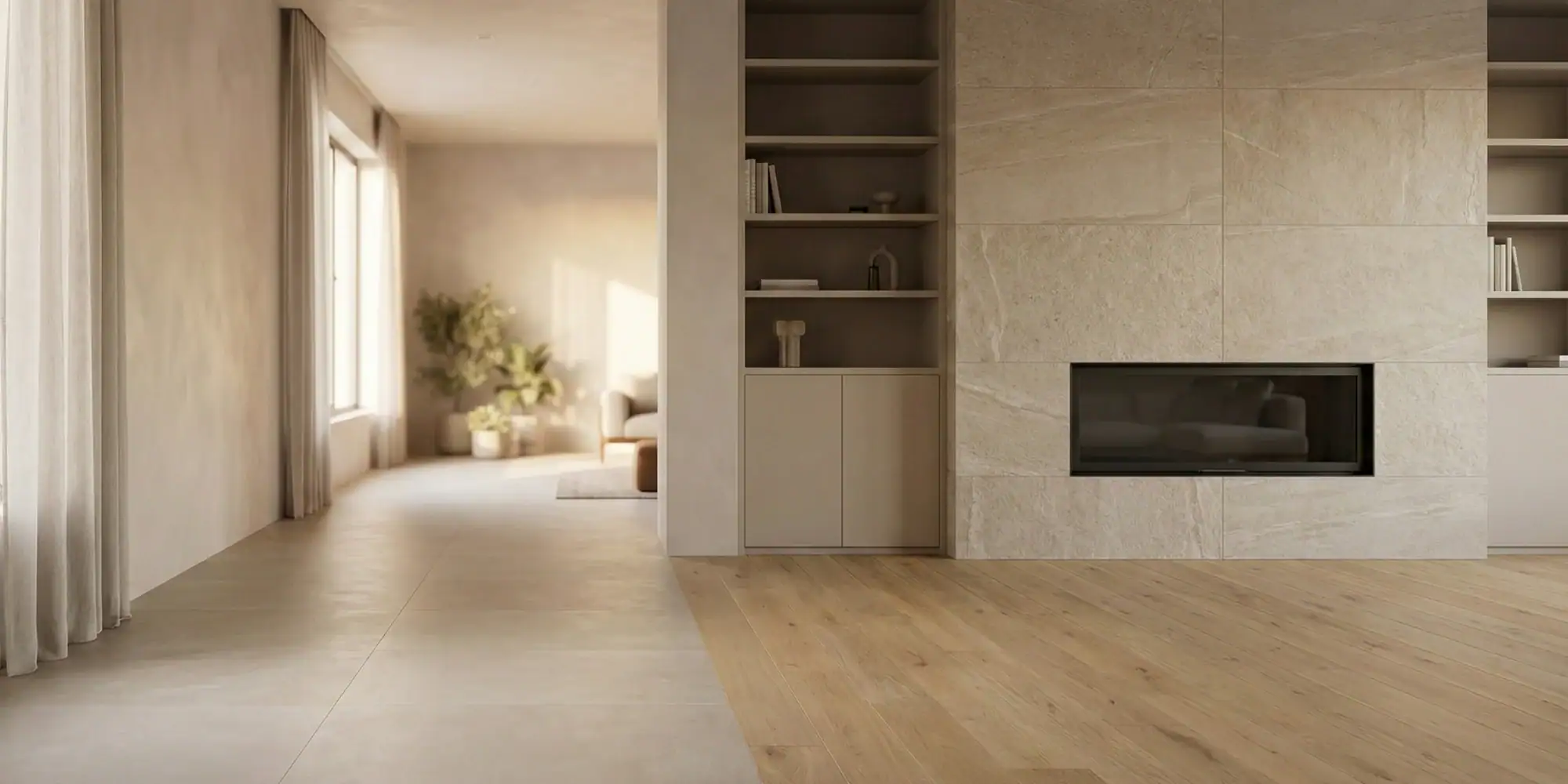
Explore the bathroom remodeling trends shaping 2026, from earth-toned flooring and custom tiles to natural wood cabinets that create spa-worthy spaces built for real life.
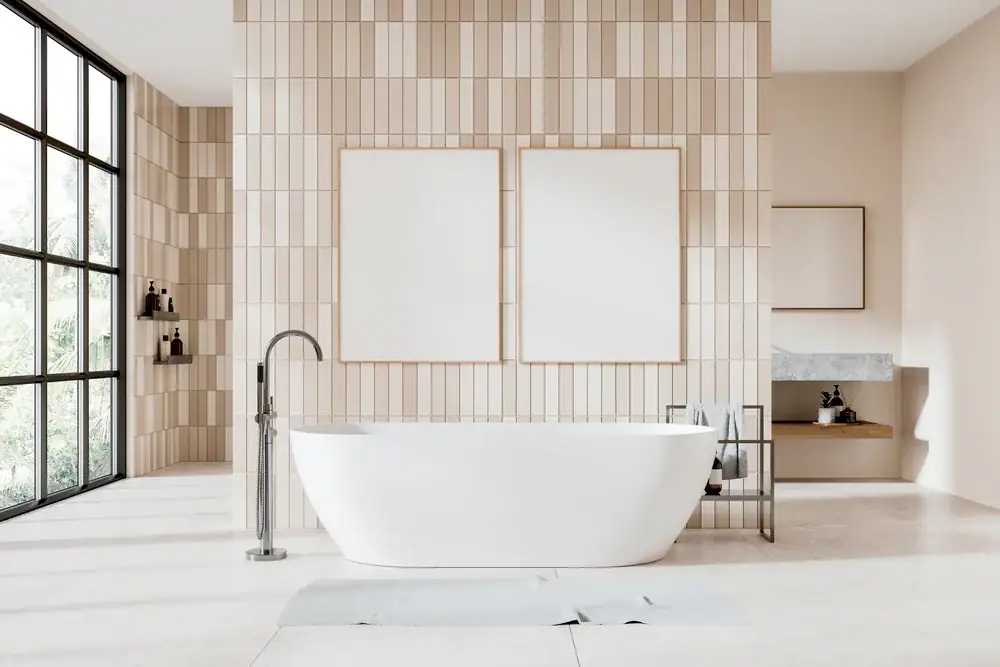
Flooring sets the foundation for everything else in your bathroom remodel. Get it wrong and you’re dealing with cold feet, slippery surfaces, or materials that can’t handle the moisture. Get it right and you’ve got a surface that’s comfortable, safe, and visually grounds the entire space.
The biggest shift in bathroom flooring trends this year is the move toward warmer tones and smarter materials. Cool grays and stark whites are stepping aside for earth-inspired colors—taupe, beige, soft terracotta, muted greens. These aren’t loud statements. They’re grounding tones that make bathrooms feel less clinical and more like spaces you want to spend time in.
Material choices matter just as much as color. Porcelain tile, luxury vinyl plank, and heated flooring systems are leading the way because they solve real problems while delivering the look homeowners want.
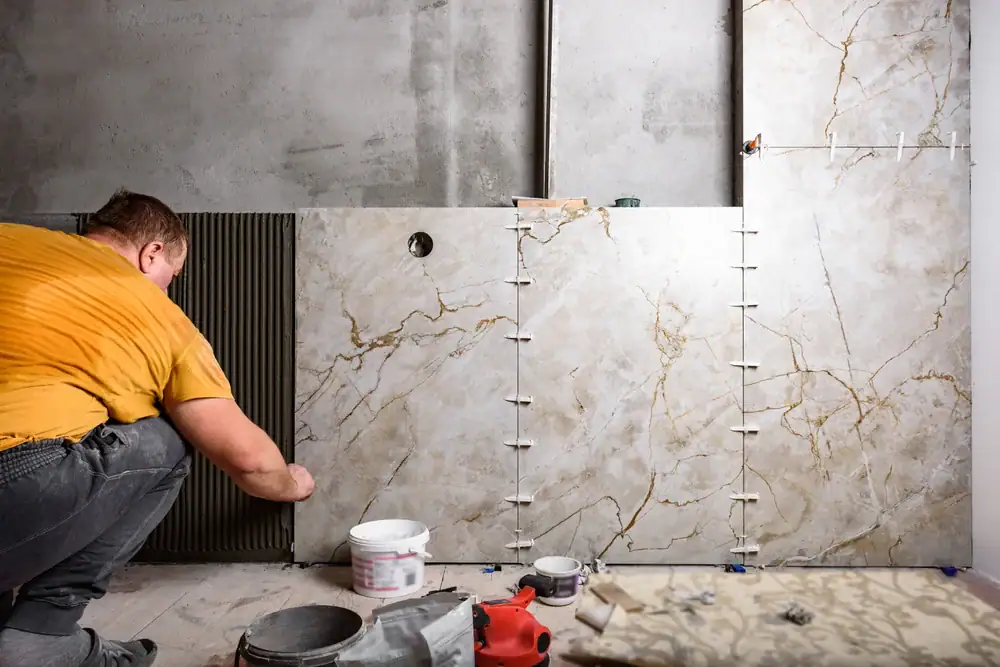
Porcelain and ceramic tile remain top choices for bathroom floors because they handle moisture without flinching. They’re dense, water-resistant, and available in more styles than any other flooring type. You can find them in stone looks, wood looks, marble veining, or bold geometric patterns. The versatility means you’re not locked into one aesthetic.
Large-format tiles are especially popular in 2026 bathroom remodeling projects. Tiles sized 24×24 inches or larger create a cleaner, more seamless look by reducing the number of grout lines. Fewer grout lines mean less maintenance and a more open feel, which is helpful in smaller bathrooms common throughout Wake County, NC and Horry County, SC homes.
Textured and three-dimensional tiles add another layer of interest. These aren’t flat surfaces. They have ridges, waves, or sculptural patterns that catch light and create movement on walls or floors. When used thoughtfully—like on a single accent wall or inside a shower—they bring character without overwhelming the space.
Matte finishes are replacing glossy tiles for practical reasons. Glossy tile shows every water spot and can get slippery when wet. Matte surfaces hide daily wear better, offer more grip underfoot, and create a softer, more refined look that aligns with the spa-like bathrooms people are building this year.
Heated floors are becoming less of a luxury and more of a standard upgrade. Radiant heating systems installed beneath tile deliver steady warmth that takes the shock out of stepping onto a cold floor on winter mornings. It’s one of those features you don’t realize you need until you have it, and then you never want to give it up. For homeowners planning bathroom remodels in Raleigh or Myrtle Beach, this addition enhances comfort year-round without taking up space or requiring visible equipment.
Installation quality matters with tile. A skilled tile setter can make affordable tile look expensive, while poor installation ruins even premium materials. The precision required—especially around fixtures, in corners, and along grout lines—makes professional installation worth the investment.
Luxury vinyl plank has evolved significantly. The versions available in 2026 look so much like real hardwood or natural stone that you’d need to touch them to tell the difference. Improved printing technology and textured surfaces capture the grain patterns, color variations, and even the feel of authentic materials.
The functional advantages are hard to ignore. LVP is completely waterproof, which makes it ideal for bathrooms where moisture is constant. It’s comfortable underfoot, warmer than tile, and easier on your joints if you’re standing at the vanity getting ready. It’s also more forgiving if something drops—a glass or bottle is less likely to shatter on vinyl than on hard tile.
Installation tends to be simpler and faster with luxury vinyl plank compared to tile. Many LVP products use click-lock systems that don’t require adhesive, and the material is easier to cut and fit around toilets, vanities, and doorways. This can reduce labor costs and project timelines, which matters when you’re living without a functioning bathroom during the remodel.
Maintenance is minimal. You’re not dealing with grout that needs scrubbing or sealing. Spills wipe up easily. Scratches and scuffs are less visible on textured, matte finishes. For busy households or homeowners who want a beautiful bathroom without constant upkeep, LVP delivers.
Design-wise, wood-look luxury vinyl plank brings warmth into bathrooms without the moisture concerns of real hardwood. You can run the same flooring from your bathroom into an adjoining bedroom for visual continuity, making both spaces feel larger and more cohesive. Herringbone and chevron patterns are also available in LVP, giving you the crafted look of patterned tile with the performance benefits of vinyl.
Cost is another consideration. LVP typically falls between sheet vinyl and porcelain tile in price. You’re getting a premium look and waterproof performance at a mid-range investment, which helps keep bathroom remodeling budgets realistic while still achieving the aesthetic you’re after.
Want live answers?
Connect with a American Dream Floor expert for fast, friendly support.
Tile is where personality enters your bathroom remodel. It’s the element that can be subtle or bold, traditional or contemporary, depending on how you use it. The tile trends shaping 2026 lean into warmth, texture, and a more artisanal feel that moves away from the mass-produced uniformity of past years.
Color palettes have shifted decisively toward earth tones. Clay, terracotta, olive green, soft taupe, and muted blues are replacing the stark whites and cool grays that dominated for the last decade. These colors bring an organic, grounding quality that makes bathrooms feel calmer and more connected to natural elements.
Tile drenching is one of the standout trends this year. Instead of stopping tile at a certain height, designers are running the same tile from floor to ceiling, across walls, and even into the shower. This creates a cohesive, enveloping feel that’s both modern and spa-like. It also makes smaller bathrooms feel larger by eliminating visual breaks.
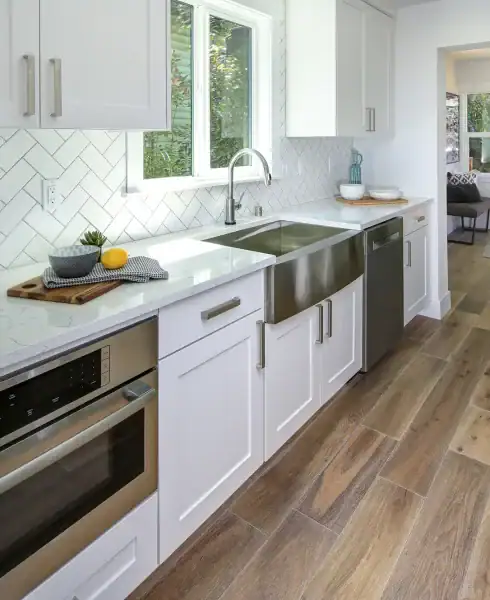
Patterned tile is having a moment, but it’s being used strategically rather than covering entire rooms. Encaustic-style designs, hand-painted looks, and geometric patterns work well as accents—on floors in powder rooms, inside shower niches, or as a backsplash behind the vanity.
Checkerboard patterns are resurging, especially in softer color palettes. Instead of harsh black and white, homeowners are choosing sage and cream, terracotta and beige, or soft gray and white. These combinations keep the classic pattern feeling fresh and less stark.
Zellige tile and other handcrafted styles bring an artisanal quality that feels authentic. These tiles are made by hand, which means slight variations in color, shape, and glaze. That imperfection is the appeal. It adds character and warmth that perfectly uniform tile can’t replicate. Zellige works beautifully in bathrooms aiming for a Mediterranean, Moroccan, or European aesthetic.
Mosaic tiles in shower niches have become a design opportunity rather than an afterthought. Tiny mosaics in metallic blends, soft marbling, or contrasting colors turn these functional alcoves into jewel-like details. Adding a slim LED strip above the niche creates a soft glow that highlights the tile and adds ambient lighting.
Vintage-inspired tiles with timeworn finishes, subtle patterning, and nostalgic florals are also trending. These work especially well in secondary bathrooms or powder rooms where you want a sense of history and personality. Pairing vintage-style tile with clean-lined fixtures keeps the look intentional and updated rather than dated.
The key with patterned tile is balance. If you’re using a bold pattern on the floor, keep walls simple. If you’re going dramatic with a patterned shower wall, use solid, neutral tile elsewhere. This prevents visual overload and lets each design element breathe.
Natural stone aesthetics dominate custom bathroom tile selections this year, but most homeowners are opting for stone-look porcelain rather than actual stone. Porcelain delivers the appearance of marble, travertine, slate, or limestone with better water resistance, lower maintenance, and more consistent sizing.
Marble-look tile with soft, organic veining in greens, browns, golds, and reds is especially popular. These aren’t the high-contrast black-and-white marbles of years past. The veining is subtle, the colors are warmer, and the overall effect feels luxurious without being overly bold.
Textured surfaces add a tactile dimension that flat tile can’t provide. Three-dimensional tiles with ridges, waves, or fluted patterns create depth and movement, especially when lighting shifts throughout the day. These work well on vertical surfaces—behind vanities, on feature walls, or inside showers—where the texture becomes part of the design story.
Stone-look tiles with honed or matte finishes feel more authentic than polished versions. The softer finish mimics the way natural stone actually looks in its raw state. It also hides water spots and soap residue better than glossy tile, which keeps your bathroom looking cleaner with less effort.
Large-format stone-look slabs are being used to create seamless walls in showers and around tubs. These slabs can be 5 feet tall or more, which means fewer seams and grout lines. The result is a clean, high-end look that’s also easier to maintain because there’s less grout to scrub.
Terrazzo is making a comeback, but in softer, more organic forms. Modern terrazzo tiles incorporate reclaimed stone and come in earthy palettes that feel current. They work well on floors where you want visual interest without busy patterns.
For homeowners planning bathroom remodeling projects in Wake County, NC or Horry County, SC, working with a flooring and tile specialist who understands these material differences helps you make informed choices. Not all stone-look tile is created equal, and the quality of the product and installation determines how your bathroom looks and performs years down the line.
Bathroom remodeling in 2026 is about creating spaces that work for how you live—not just how they look in photos. The trends toward warmer flooring, custom tiles with texture and character, and natural materials reflect a broader shift toward comfort, durability, and authenticity.
Whether you’re drawn to large-format porcelain tile, waterproof luxury vinyl plank, or handcrafted tile with artisanal appeal, the options available this year give you flexibility to build a bathroom that feels personal and built to last. Pair those flooring and tile choices with thoughtful cabinet selections, proper lighting, and smart storage, and you’re creating a space that enhances your daily routine while adding real value to your home.
If you’re ready to move forward with a bathroom remodel in Wake County, NC or Horry County, SC, working with experienced professionals makes the difference between a project that drags on with surprises and one that’s planned well, executed cleanly, and finished on time. We bring decades of experience helping homeowners turn outdated bathrooms into functional, beautiful spaces they’re proud to use every day.
Summary:
Article details:
Share: