Planning a kitchen remodel? This step-by-step checklist covers layout, budget, flooring choices, cabinet selection, and common pitfalls to avoid for a successful renovation.
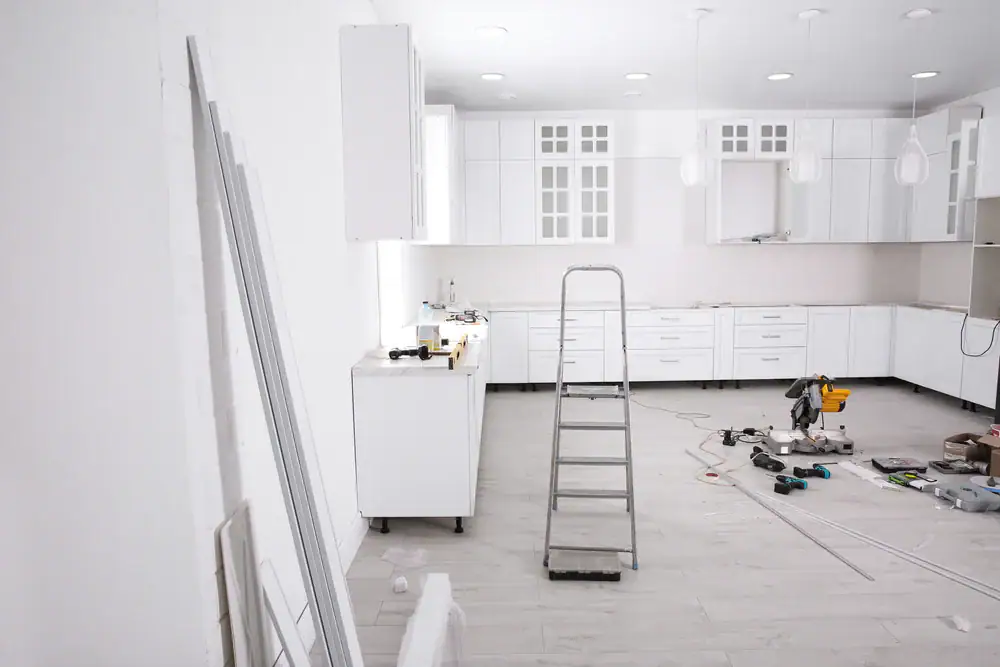
Before you start browsing cabinet colors or flooring samples, you need to get clear on three things: how your kitchen currently works, how you want it to work, and what you can realistically spend. Most kitchen remodeling mistakes happen because people skip this step and jump straight to finishes.
Start by watching how you move through your current space. Where do you prep? Where do things pile up? Is the fridge too far from the counter? Do you bump into someone every time you open the oven? These aren’t small annoyances—they’re clues about what needs to change. Your new layout should fix these pain points, not just look better.
Then there’s the budget. Kitchen renovation costs vary widely depending on your scope, but you need a real number before you start making decisions. Setting aside 10 to 20 percent of your budget for surprises is smart. Things come up during demo—old plumbing, outdated wiring, subfloor issues. Plan for it now so it doesn’t derail everything later.
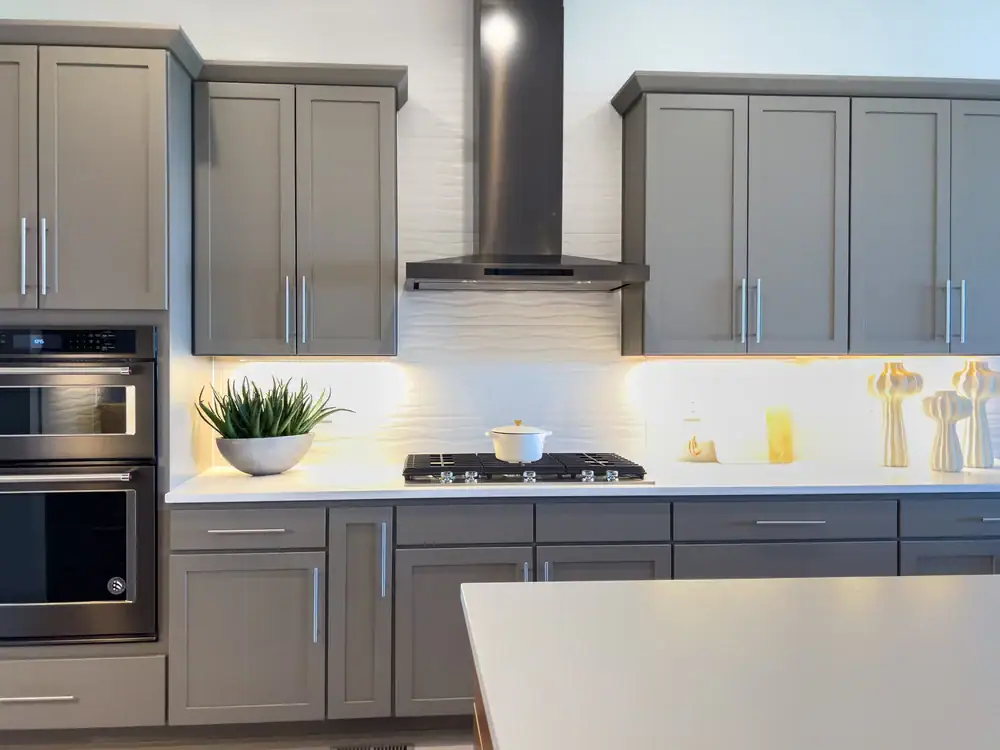
If you’ve heard the term “kitchen work triangle,” you might think it’s outdated. It’s not. The concept is simple: your sink, stove, and refrigerator should form a triangle with each leg measuring between four and nine feet. This keeps your most-used areas close enough to be efficient but far enough apart that you’re not constantly in your own way.
The work triangle isn’t a rigid rule. It’s a guideline that helps you think about movement. If your fridge is around a corner or your sink is across the room from your stove, you’re adding unnecessary steps to every meal you cook. Over time, that adds up to frustration.
Modern kitchens are bigger and more complex than they were when this concept was created. You might have a second sink in an island, a wall oven separate from your cooktop, or a beverage fridge in addition to your main one. That’s fine. The principle still applies: group your work zones logically so you’re not constantly walking back and forth.
Think about the order of tasks. You pull ingredients from the fridge, prep them on the counter, cook them on the stove, and clean up at the sink. That flow should feel natural, not forced. If you’re planning an island, make sure it enhances that flow instead of blocking it. You need at least four feet of clearance around all sides so cabinet doors and appliances can open without hitting each other or trapping someone in a corner.
Traffic patterns matter too. If your kitchen is a main pathway to other rooms, you don’t want your primary work zone cutting across that path. People walking through shouldn’t interfere with someone cooking. A good layout accounts for both the cook’s workflow and the household’s movement.
Let’s talk money. Most homeowners underestimate kitchen remodeling costs by 20 to 50 percent. That’s not because they’re bad at math—it’s because they forget about the things that aren’t visible. Labor, permits, electrical upgrades, plumbing changes, and all the small finishing details add up fast.
A mid-range kitchen remodel typically runs between $22,000 and $55,000 in most markets. If you’re in Wake County, NC or Horry County, SC, you’re likely in that range or slightly below, depending on your scope. High-end projects with custom cabinetry and premium appliances can easily exceed $75,000. Minor updates—new countertops, paint, hardware, and flooring without changing the layout—might cost $15,000 to $25,000.
The biggest chunks of your budget go to cabinets (about 29 percent), appliances (17 percent), countertops (11 percent), and installation labor (13 percent). Flooring, backsplash, lighting, and paint make up the rest. If you’re trying to save money, the smartest move is to keep your existing layout. Moving plumbing and gas lines is expensive. Tearing down walls requires permits and structural work. If your current footprint mostly works, you can put that money into better materials instead.
Always get multiple quotes. Not to play contractors against each other, but to understand what’s included in each bid. The cheapest option isn’t always the best value. A low bid might exclude things like demo, haul-away, or finishing work that other contractors include. Read the fine print. Ask what’s covered and what’s not.
And don’t forget the contingency fund. Set aside at least 10 percent of your total budget for unexpected issues. Old houses especially tend to surprise you once walls come down. Having that cushion means you can handle problems without panic or compromise.
Want live answers?
Connect with a American Dream Floor expert for fast, friendly support.
Your kitchen floor takes more abuse than any other surface in your home. Spills, dropped pans, foot traffic, chair scrapes, pet claws—it all happens here. That’s why choosing the right flooring isn’t just about looks. It’s about picking something that can handle daily life without showing wear in six months.
The two most popular options right now are luxury vinyl plank and porcelain tile. Both offer serious durability, but they work differently. Luxury vinyl plank mimics the look of real hardwood but resists water, scratches, and dents better than actual wood. It’s softer underfoot, quieter, and more forgiving if you drop something. Porcelain tile is harder, more scratch-resistant, and completely waterproof. It’s colder and louder, but it lasts decades with minimal maintenance.
Your choice depends on your priorities. If comfort and warmth matter, vinyl makes sense. If you want something that looks high-end and will outlast everything else in the room, porcelain is worth considering. Either way, skip the trendy stuff that’ll look dated in five years. Stick with neutral tones and classic patterns that won’t fight with the rest of your design.
Luxury vinyl plank has come a long way. It’s not the cheap peel-and-stick vinyl your grandmother had. Modern LVP is thick, durable, and realistic. It resists stains and scratches, stands up to heavy foot traffic, and doesn’t require sealing or refinishing. Most importantly, it’s waterproof, which makes it ideal for kitchens where spills are inevitable.
The downside? It’s still synthetic. If you drop something heavy, it can dent. It won’t last as long as tile. And while it looks like wood, it doesn’t feel like wood. But for many homeowners, those trade-offs are worth it. LVP is comfortable to stand on for long periods, it’s warmer than tile, and it costs less to install.
Porcelain tile is the workhorse. It’s denser and less porous than ceramic, which means it absorbs almost no water and resists stains better. It’s incredibly durable—harder to scratch, chip, or crack than most other flooring options. With proper installation and care, porcelain can last 50 years or more.
The trade-off is comfort. Tile is hard and cold. If you’re someone who spends a lot of time cooking, that can get uncomfortable. It’s also louder—dropped dishes and footsteps echo more. And while tile itself is durable, the grout lines require maintenance. You’ll need to seal them periodically to prevent staining.
So which one should you choose? If you have kids, pets, or a busy household where comfort and noise matter, luxury vinyl plank is a smart pick. If you want something that adds resale value, looks high-end, and will outlast everything else in the kitchen, go with porcelain tile. Both are solid choices. Neither is a mistake.
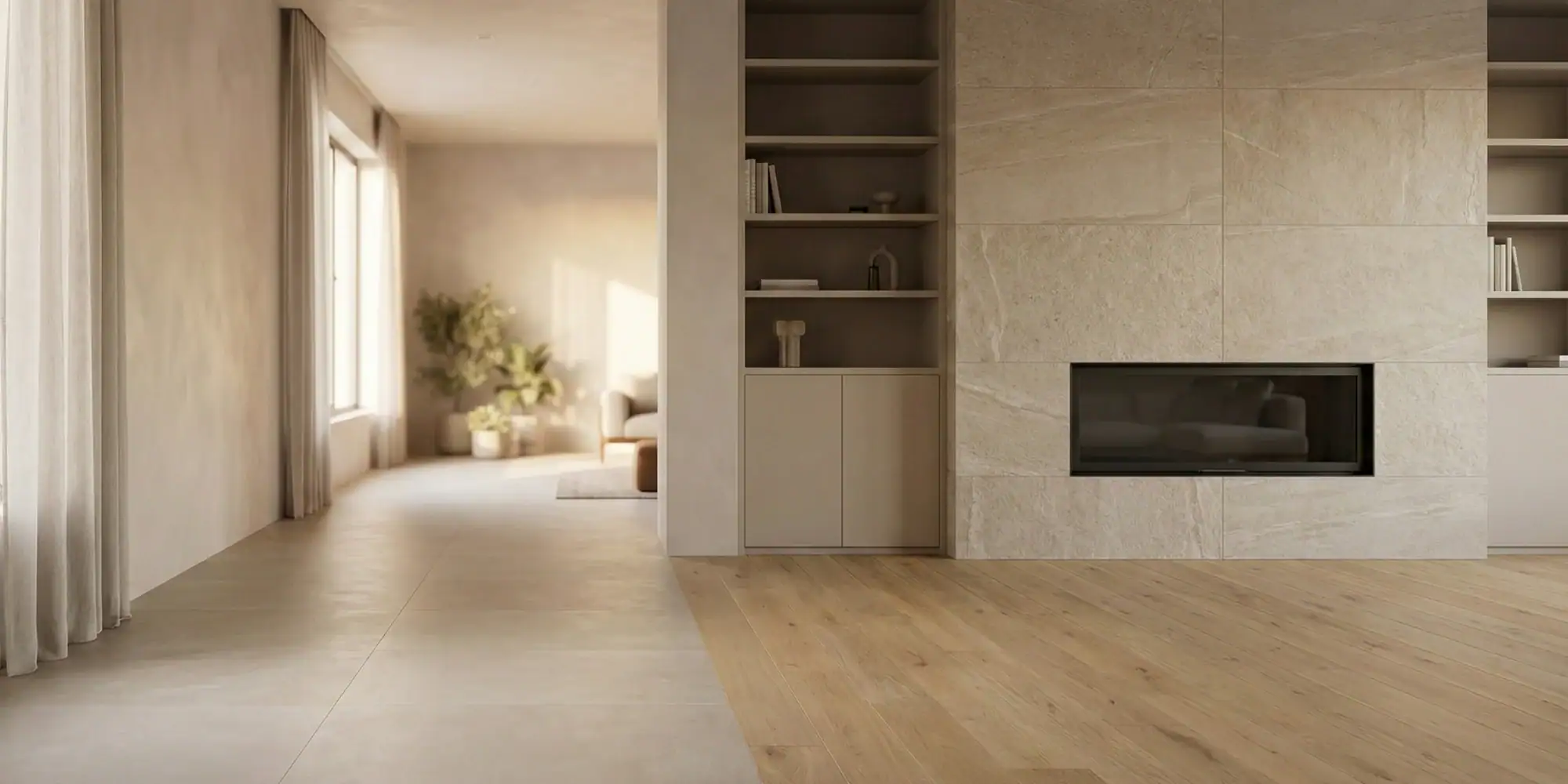
Luxury vinyl and porcelain aren’t your only options. Hardwood is making a comeback in kitchens, especially engineered hardwood. It’s more stable than solid wood, less prone to warping from moisture, and it gives you that warm, natural look that tile and vinyl can’t match. The catch is maintenance. Hardwood requires more care, and even with modern finishes, it’s not as water-resistant as vinyl or tile.
Ceramic tile is another option. It’s similar to porcelain but slightly less dense and more porous. That makes it more affordable, but also more prone to staining and water absorption. If budget is tight and you’re willing to seal it regularly, ceramic works. Just know it won’t hold up as long as porcelain.
Laminate flooring is budget-friendly and easy to install, but it’s not ideal for kitchens. It’s not waterproof, and if moisture gets into the seams, the planks can swell and buckle. If you’re doing a temporary update or a rental property, laminate might make sense. For a long-term remodel, skip it.
Natural stone—like slate, travertine, or marble—looks stunning but requires serious upkeep. Stone is porous, which means it stains easily. You’ll need to seal it regularly and clean up spills immediately. It’s also expensive. If you love the look and don’t mind the maintenance, go for it. But most homeowners find it’s more hassle than it’s worth in a kitchen.
The bottom line: pick flooring that fits how you actually use your kitchen. If you cook a lot, prioritize comfort and water resistance. If you entertain often and want something that looks upscale, invest in quality tile. If you’re on a budget, luxury vinyl gives you the best balance of durability, style, and cost.
A successful kitchen remodel doesn’t happen by accident. It happens because you took the time to plan, asked the right questions, and made decisions based on how you actually live—not just how things look in a magazine. Start with layout and workflow. Make sure your budget is realistic and includes a cushion for surprises. Choose flooring that can handle your household’s wear and tear. And don’t rush. The decisions you make now will affect how you feel about your kitchen for the next 10 to 20 years.
If you’re in Wake County, NC or Horry County, SC and you’re ready to move forward, we can help. With over 30 years of experience in kitchen remodeling and flooring, we understand what it takes to get it right the first time. From planning to installation, we’ll walk you through every step.
Your kitchen should work for you—not against you. Take the time to do it right.
Summary:
Share: