Choosing between hardwood and luxury vinyl plank flooring? Discover which option truly fits your lifestyle, budget, and long-term goals in this honest comparison.
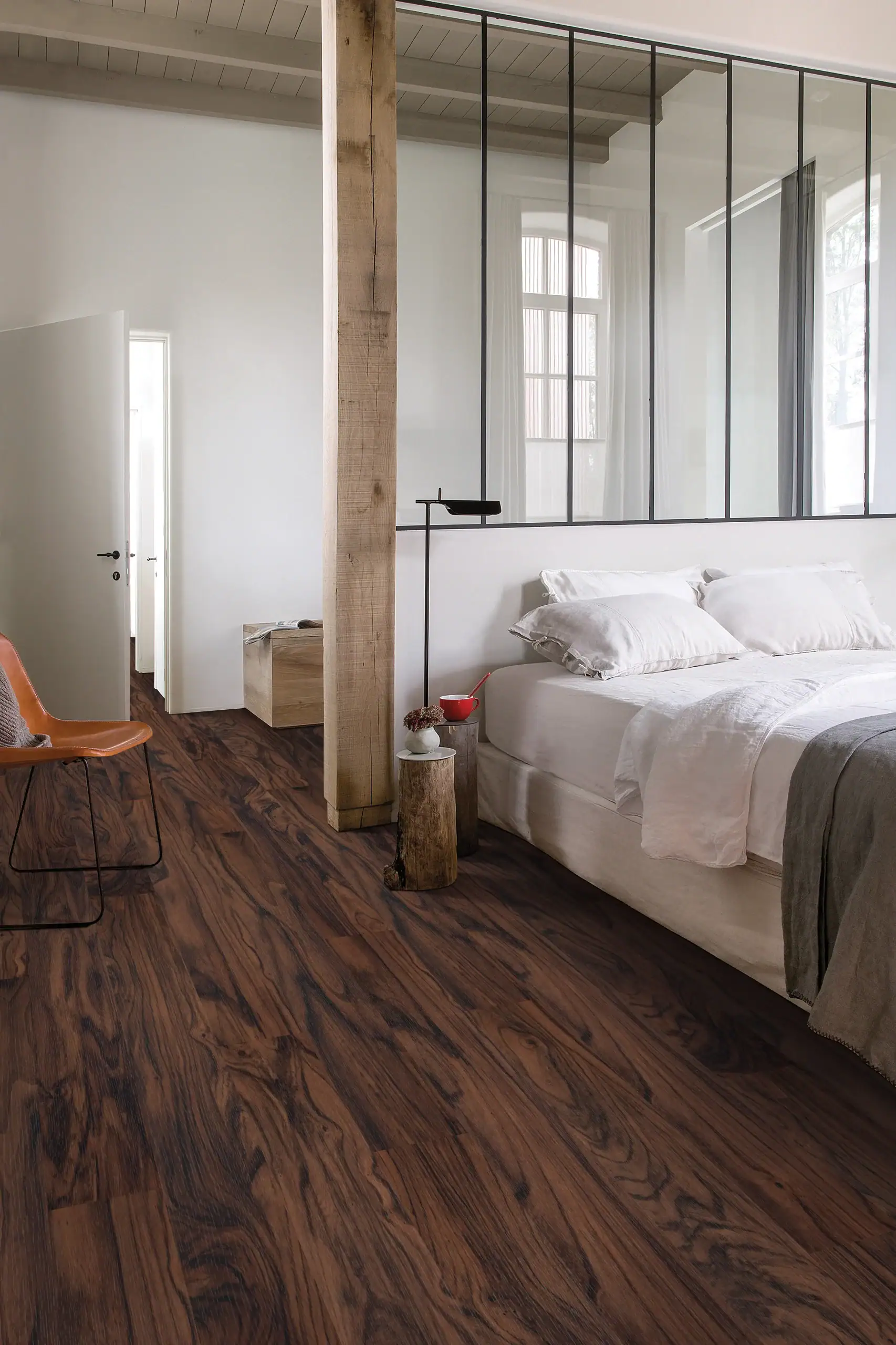
Hardwood flooring comes from real trees. It’s milled into planks that get installed across your subfloor, then finished with stain and protective coatings. You can get solid hardwood, which is one piece of wood all the way through, or engineered hardwood, which has a real wood veneer on top of plywood layers.
Luxury vinyl plank flooring, often called LVP, is a synthetic product made from multiple layers including a waterproof core, a photographic layer that mimics wood grain, and a protective wear layer on top. Modern luxury vinyl has come a long way from the vinyl floors your grandmother had in her kitchen.
The key difference isn’t just real vs. fake. It’s how each material behaves in your home over time. One can be sanded down and refinished. The other can’t. One handles water like a champ. The other doesn’t. Understanding these fundamental differences changes how you think about the hardwood vs luxury vinyl decision.
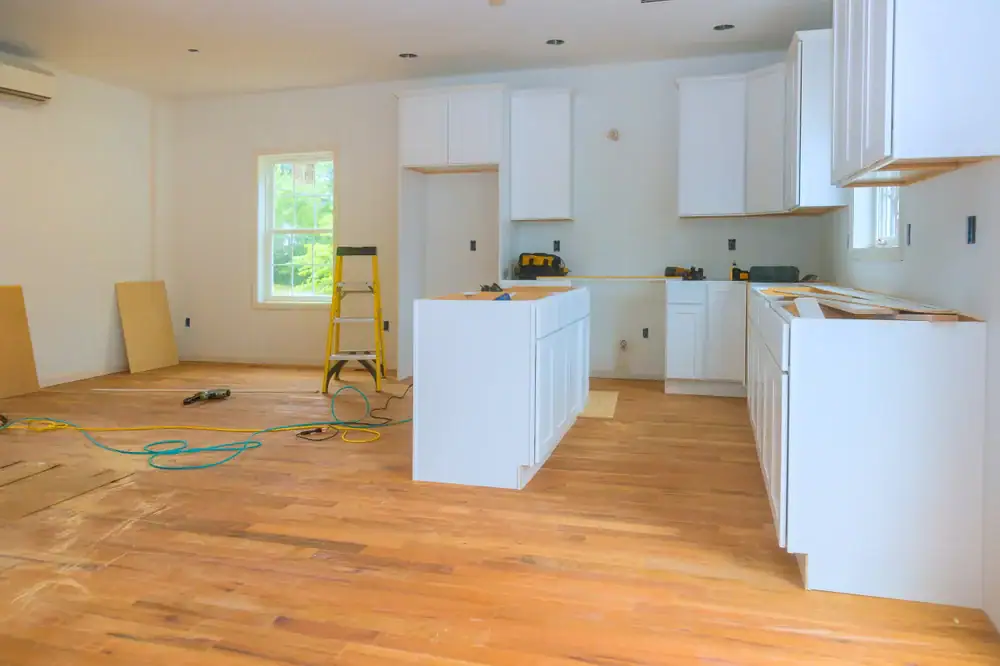
Let’s talk about what actually happens when you live on these floors. Not the showroom version. The real version with spills, pets, and foot traffic.
Hardwood looks stunning and develops character over time. Those little dings and variations in color? They add to the charm if you’re into that aesthetic. But hardwood doesn’t love water. Spill a glass and forget about it for an hour, and you might see some damage. Leave a wet dog bowl sitting in the same spot for weeks in your Wake County, NC home, and you’re looking at potential warping or discoloration. Hardwood also shows scratches more readily, especially if you have large dogs or move furniture around frequently.
The upside? You can refinish hardwood multiple times over its lifetime. That means when it starts looking tired in 10 or 15 years, you don’t rip it out. You sand it down, restain it, and it looks brand new again. With proper care, hardwood floors can last 50 to 100 years. That’s not an exaggeration.
Luxury vinyl plank takes a different approach to durability. It’s designed to handle the chaos of daily life without asking much from you. Waterproof flooring versions can sit in standing water without warping. Scratch-resistant wear layers protect against pet claws and dropped items. Spill your coffee? Wipe it up whenever you get around to it. No panic required.
But here’s the catch: once luxury vinyl is damaged, you can’t refinish it like hardwood. If the wear layer gets compromised or a plank gets gouged, you replace that section. Most quality LVP lasts 15 to 20 years before it needs replacement. That’s solid, but it’s not the multi-generational lifespan you get with hardwood flooring.
The maintenance difference is real too. Hardwood needs regular sweeping, occasional deep cleaning with wood-safe products, and you need to be mindful about moisture. Luxury vinyl? Sweep it, mop it with just about anything, and move on with your life. If ease of maintenance matters to you during your bathroom remodeling or kitchen remodeling project, vinyl wins that round without question.
So which handles real life better? It depends on your definition of “real life.” If your life includes pets, kids, and a preference for low-maintenance solutions, luxury vinyl makes a lot of sense. If you value long-term investment, natural materials, and don’t mind being a bit more careful, hardwood delivers something vinyl can’t replicate.
The price conversation around flooring remodeling gets messy fast because people compare apples to oranges. Let’s break it down in a way that actually helps.
Upfront, luxury vinyl plank costs less. You’re typically looking at $2 to $7 per square foot for materials. Hardwood runs $4 to $15 per square foot for materials, sometimes more depending on the species. Installation costs vary, but hardwood generally costs more to install because it requires more skill and time. For a 500-square-foot room in Horry County, SC, you might spend $2,500 to $3,500 for quality LVP installed, versus $4,000 to $7,500 for mid-range hardwood installed.
But here’s where it gets interesting: lifetime cost. Let’s say you stay in your home for 30 years. That luxury vinyl floor might need to be replaced once during that time, meaning you’re paying for flooring twice. Your total cost could be $5,000 to $7,000 when you factor in removal and reinstallation.
Hardwood, on the other hand, might need refinishing once or twice in that same 30 years. Hardwood refinishing costs about $4 to $7 per square foot. So you’d spend your initial $4,000 to $7,500, plus maybe $2,000 to $3,500 in refinishing over the decades. Similar total cost, but you end up with floors that can keep going for another 30 years if you want them to.
Then there’s resale value. Hardwood flooring increases home value in a way that luxury vinyl doesn’t. Buyers in Wake County, NC see hardwood as a premium feature. They see luxury vinyl as practical but not particularly special. If you’re planning to sell within 5 to 10 years, hardwood often pays for itself in increased home value. If you’re planning to stay put or you’re updating a rental property, that resale premium might not matter to you.
The maintenance cost difference is worth noting too. Hardwood requires specialized cleaners and occasional professional refinishing. Luxury vinyl needs basic cleaning supplies you already own. Over time, those small differences add up, though we’re not talking about massive amounts.
Bottom line on cost: luxury vinyl saves you money upfront and asks less of you in ongoing maintenance. Hardwood costs more initially but can be a better long-term investment if you value resale and longevity. Neither option is universally “cheaper” when you look at the full picture.
Want live answers?
Connect with a American Dream Floor expert for fast, friendly support.
Not every room in your home has the same needs. And not every lifestyle puts the same demands on flooring. This is where the hardwood vs luxury vinyl decision gets personal.
Think about your kitchen remodeling project. Kitchens see spills, dropped items, foot traffic, and the occasional pet water bowl overflow. Luxury vinyl makes a ton of sense here because it’s waterproof and scratch-resistant. You can cook, clean, and live without worrying about every drop of water. Hardwood can work in kitchens, but it requires more vigilance and isn’t ideal if you’re not naturally careful.
Bathrooms? Waterproof flooring like luxury vinyl all the way. Hardwood and moisture-heavy rooms don’t mix well. Even engineered hardwood, which handles moisture better than solid hardwood, isn’t the best choice for a full bathroom remodeling project. Luxury vinyl gives you the wood look without the water damage risk.
Living rooms and bedrooms are where hardwood really shines. These are lower-moisture areas where you want that warm, natural aesthetic. Hardwood adds a level of elegance and timeless appeal that’s hard to beat. If you entertain or just want your main living spaces to feel elevated, hardwood delivers that in a way luxury vinyl doesn’t quite match, even with realistic printing technology.
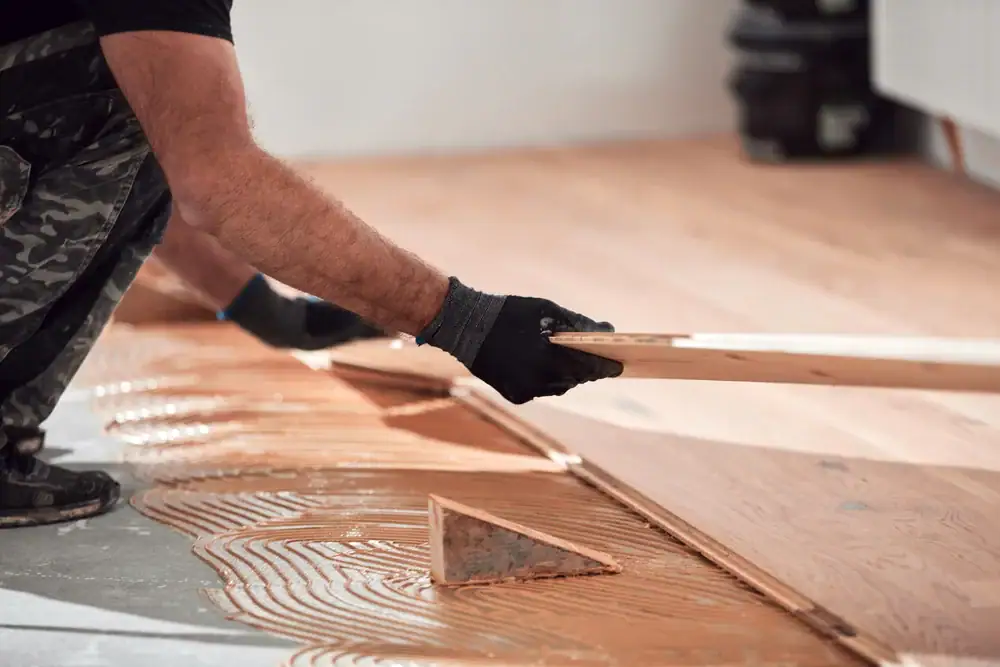
If you have pets or young children in your Wake County, NC or Horry County, SC home, this section matters more than any other. Because what works in a quiet adult household falls apart fast when you add paws and sticky fingers to the mix.
Dogs with long nails will scratch hardwood. That’s not a maybe. It’s a when and how much. Large dogs running across hardwood create visible wear patterns over time. You can minimize this with regular nail trims and area rugs in high-traffic zones, but you can’t eliminate it. Some hardwood species like hickory and oak handle scratches better than softer woods like pine, but none of them are scratch-proof.
Luxury vinyl plank, especially products with thicker wear layers, resists scratches significantly better. Your dog can sprint from the front door to the back door every time the mailman shows up, and your floors will look fine. The waterproof nature of LVP also means pet accidents don’t become permanent stains or odor problems. Clean it up when you notice it, and move on.
Kids present similar challenges. Dropped toys, spilled juice, craft projects that migrate from the table to the floor—these things happen. Hardwood can handle some of this, but it’s less forgiving than luxury vinyl. If you’re the type of parent who wants to enjoy your home without constantly policing every potential floor hazard, luxury vinyl reduces your stress level considerably.
That said, some families with pets and kids still choose hardwood because they value the aesthetic and accept that floors will show wear. They plan to refinish when the kids are older or when the dog slows down. That’s a valid choice if you go in with realistic expectations.
Here’s a practical middle ground some homeowners use during their flooring remodeling: luxury vinyl in the high-traffic, high-risk areas like kitchens, mudrooms, and bathrooms. Hardwood in the living room, dining room, and bedrooms where the risk is lower and the aesthetic impact is higher. You don’t have to pick one flooring type for your entire home.
The comfort factor matters for pets too. Older dogs with joint issues often struggle on slippery hardwood. Luxury vinyl with textured surfaces provides better traction. If you have an aging pet, that’s worth considering.
Let’s be honest: appearance matters. You’re going to look at these floors every single day. If you hate how they look, none of the practical benefits matter.
Hardwood has a natural beauty that’s tough to replicate. Each plank is unique with its own grain pattern, knots, and color variations. It develops a patina over time that adds character. There’s a warmth and authenticity to real wood that resonates with a lot of people. If you love the idea of natural materials and you appreciate how hardwood ages, that emotional connection is real and valid.
Luxury vinyl flooring has gotten remarkably good at mimicking wood. Modern printing technology creates realistic grain patterns, and embossing adds texture that feels like real wood when you walk on it. From a few feet away, high-quality LVP is hard to distinguish from hardwood. But up close? You can usually tell. The pattern repeats. The texture isn’t quite right. It’s very good, but it’s not the same.
Does that matter? For some people, yes. For others, not at all. If you’re someone who cares deeply about authentic materials and natural aesthetics, hardwood is probably worth the extra cost and maintenance. If you’re more focused on function and you’re fine with a really good imitation, luxury vinyl delivers 90% of the look for 60% of the cost and half the hassle.
Color trends matter too. Right now, warmer wood tones are back in style after years of gray and cool-toned floors dominating the market. Both hardwood and luxury vinyl offer options in honey tones, natural oak, and walnut shades. The difference is that luxury vinyl can give you trendy looks without the commitment, since you’ll likely replace it in 15 to 20 years anyway. Hardwood is a longer-term commitment, so choosing a timeless color makes more sense.
One thing luxury vinyl does better than hardwood: consistency. Every plank looks very similar, which some people prefer for a clean, uniform appearance. Hardwood’s natural variation is beautiful to some and too busy for others. Know which camp you’re in before you decide.
The feeling underfoot is different too. Hardwood is hard, as the name suggests. It’s not uncomfortable, but it’s not soft either. Luxury vinyl has a bit more give, especially products with attached underlayment. If you spend a lot of time standing in your kitchen or you have joint issues, that slight cushioning can make a noticeable difference in comfort.
Here’s what it comes down to: hardwood and luxury vinyl are both good flooring options, but they’re good for different reasons and different situations.
Choose hardwood if you value long-term investment, natural materials, and resale value. If you’re willing to be a bit more careful with maintenance and you don’t have major moisture concerns or high-impact pet activity, hardwood gives you a floor that can last multiple generations. It’s the choice when you want authentic beauty and you’re thinking 20, 30, or 50 years down the road.
Choose luxury vinyl if you need waterproof protection, scratch resistance, and low maintenance. If you have pets, kids, or a busy lifestyle that doesn’t leave room for babying your floors, LVP handles real life without asking much from you. It’s the practical choice that still looks great and costs less upfront.
You don’t have to pick just one for your whole home either. Many homeowners mix both, using luxury vinyl in wet or high-traffic areas and hardwood in living spaces where aesthetics matter most.
The right answer isn’t about which flooring is “better.” It’s about which one fits your specific situation. Your budget, your lifestyle, your home’s needs, and what matters to you personally. When you’re ready to move forward with your flooring remodeling, bathroom remodeling, or kitchen remodeling project in Wake County, NC or Horry County, SC, we can walk you through your options with the experience and honesty you need to make a confident decision.
Summary:
Article details:
Share: