A kitchen remodel can feel like controlled chaos. Here's how to survive the dust, delays, and daily disruptions without losing your mind—or your appetite.
A kitchen remodel isn’t just picking out pretty tiles and waiting for magic to happen. It’s a process, and understanding that process keeps you from panicking when things get messy.
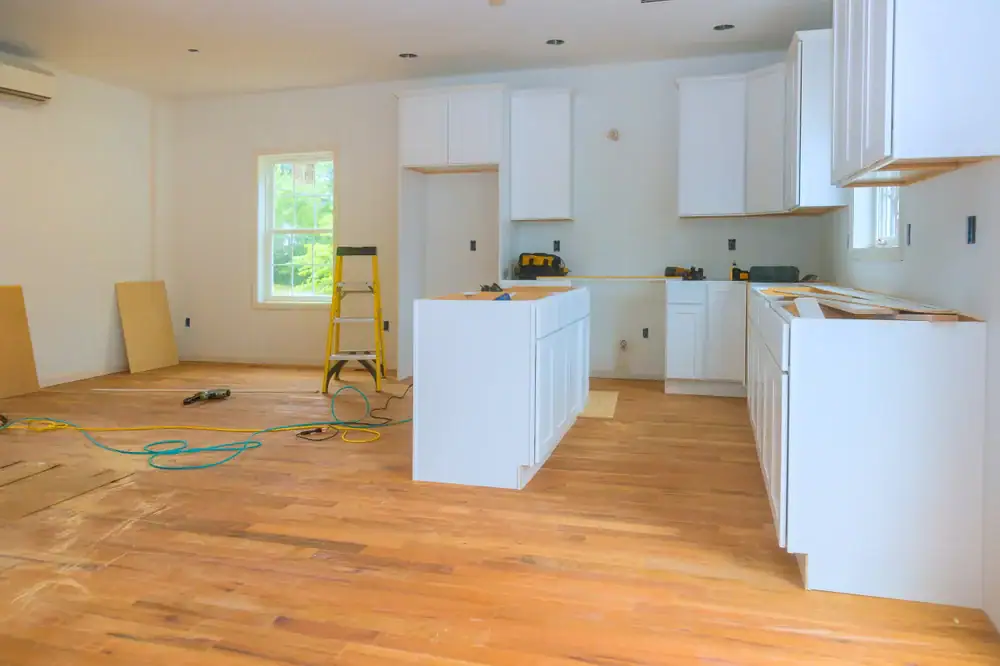
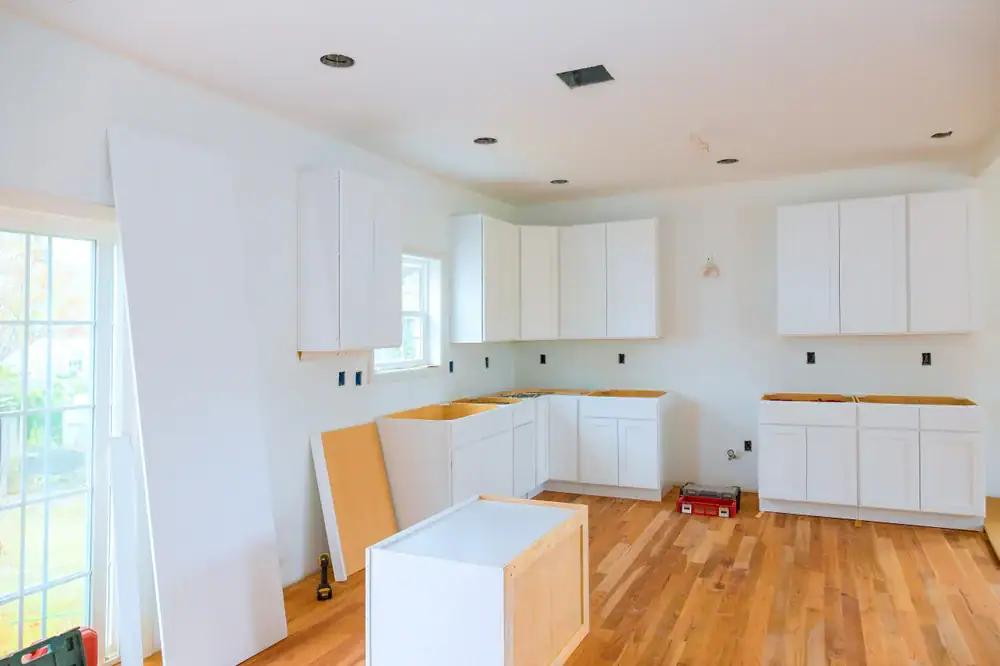
Most kitchen remodeling projects follow a similar path. Demo comes first—cabinets ripped out, old flooring torn up, sometimes walls opened. Then comes the behind-the-scenes work: plumbing, electrical, structural fixes you didn’t know you needed. After that, the rebuilding starts. New flooring goes down, cabinets get installed, countertops measured and set, tile work completed.
The timeline? Anywhere from four weeks to three months, depending on scope. A simple cabinet and countertop swap might take a month. A full gut job with layout changes, new flooring, and custom work? You’re looking at eight to twelve weeks, sometimes more if materials get delayed or you uncover issues behind the walls.
Living without a kitchen sounds dramatic until you realize you can’t even make coffee. That’s why setting up a functional temporary space is non-negotiable.
Pick a spot away from the construction zone. A corner of the dining room, a section of the basement, even the garage if it’s climate-controlled. You need access to water if possible, but if not, you’ll adapt. Set up a folding table or two, bring in some shelving, and designate this as your kitchen for the duration.
What goes in your temporary kitchen? Start with the essentials. A microwave. A toaster or toaster oven. A slow cooker or Instant Pot. An electric kettle for coffee and tea. A mini fridge if your main one isn’t accessible. Paper plates and plastic utensils save you from washing dishes in the bathroom sink, which gets old fast.
Keep your setup simple. You don’t need your entire knife set—just the two you actually use. Same with pots, pans, and utensils. Pack away everything else and only keep what you’ll need daily. This minimizes clutter and makes cleanup easier.
Stock up on disposable items, but also plan meals that require minimal prep. Rotisserie chicken, pre-washed salads, sandwiches, and one-pot slow cooker meals become your best friends. Yes, you’ll eat out more than usual. Budget for it. It’s part of the cost of remodeling, and fighting it only adds stress.
Set up a dishwashing station if you’re not going full disposable. A plastic bin, dish soap, and a drying rack in the laundry room or bathroom works. It’s not glamorous, but it’s temporary.
Let’s be honest—a kitchen remodel is disruptive. There’s no way around it. But you can control how much it takes over your life.
Dust is inevitable. Even with the best contractors using dust containment systems, it finds its way into other rooms. Seal off the kitchen area with plastic sheeting if possible. Keep doors to other rooms closed. Run air purifiers if you have them. Accept that you’ll be wiping down surfaces more often than usual.
Noise is the other big one. Demo days are loud. Tile saws scream. Contractors need to communicate, and they’re not whispering. If you work from home, plan around the noisiest phases. Maybe that’s the week you work from a coffee shop or take some vacation days. If you have young kids or pets, create a quiet zone away from the action where they can retreat.
Daily routines get thrown off. You can’t just grab a snack from the fridge or rinse a dish. Mornings take longer. Meal prep becomes an event. Give yourself extra time for everything, and lower your expectations for what “normal” looks like during this phase.
Communication with your contractor matters more than you think. Establish a daily check-in time. Ask about the plan for the day, what to expect, and when they’ll wrap up. This keeps you in the loop and prevents surprises. If something’s bothering you—mess not getting cleaned up, timeline concerns, material questions—address it immediately. Small frustrations turn into big problems if you let them simmer.
Create a construction-free zone in your home. One room that’s off-limits to tools, materials, and dust. This is your sanity space. When the chaos gets overwhelming, you have somewhere to retreat that still feels like home.
Want live answers?
Connect with a American Dream Floor expert for fast, friendly support.
If you think a kitchen remodel is disruptive, try losing access to your bathroom. The stakes feel higher when you’re talking about the one room you absolutely need multiple times a day.
Bathroom remodeling projects move faster than kitchens—usually two to six weeks depending on scope—but the inconvenience is immediate. No shower. No toilet. No sink. If you only have one bathroom, this becomes a logistical puzzle.
Planning is everything. If you have a second bathroom, even a half bath, you’re in better shape. If not, you might need to get creative. Some homeowners arrange to shower at a gym or a friend’s place during the renovation. Others time the project around a vacation. It’s not ideal, but it’s temporary.
Bathroom design has shifted. Homeowners aren’t just updating for resale value anymore—they’re creating spaces that feel like a retreat.
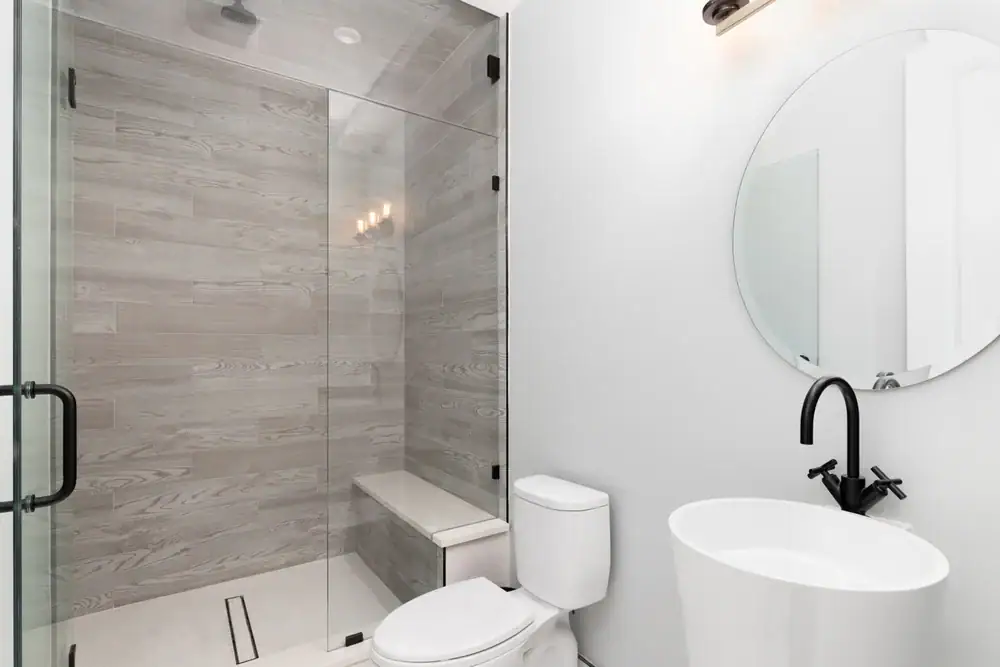
Wellness features are everywhere. Walk-in showers with rainfall showerheads, built-in benches, and multiple spray options. Freestanding tubs positioned near windows. Heated floors. Better lighting that mimics natural light throughout the day. The goal is to turn a utilitarian space into somewhere you want to spend time.
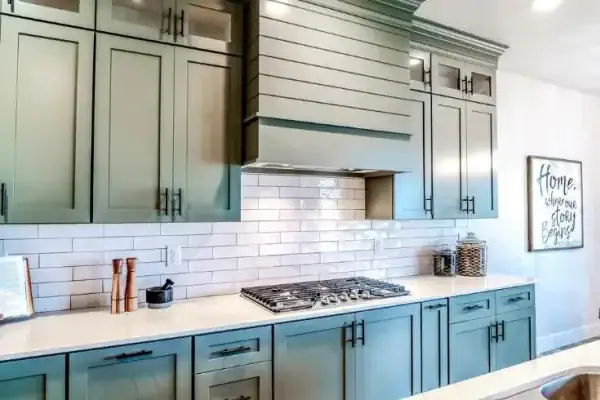
Color palettes have warmed up. Stark white bathrooms are giving way to earthy tones—sage green, warm beige, terracotta, soft clay. These colors create a calming atmosphere and pair well with natural materials like wood accents and stone textures.
Larger showers are replacing tubs in primary bathrooms. More than half of homeowners now prioritize a spacious shower over a bathtub, especially if they have another tub elsewhere in the house. The shift reflects how people actually use their bathrooms—quick showers on busy mornings, not long soaks.
Low-maintenance materials are non-negotiable. Homeowners want surfaces that look high-end but don’t require constant upkeep. Matte finishes on faucets and hardware hide fingerprints. Large-format tiles mean fewer grout lines to clean. Solid-surface shower systems eliminate grout entirely.
Storage is getting smarter. Built-in niches in showers. Vanities with pullout organizers. Medicine cabinets that don’t look like medicine cabinets. The goal is to hide clutter and keep countertops clear, which makes the space feel larger and more relaxing.
You can have the most beautiful countertops and backsplash, but if your flooring and cabinets don’t hold up, the whole project falls flat. These are the workhorses of any kitchen or bathroom remodeling job.
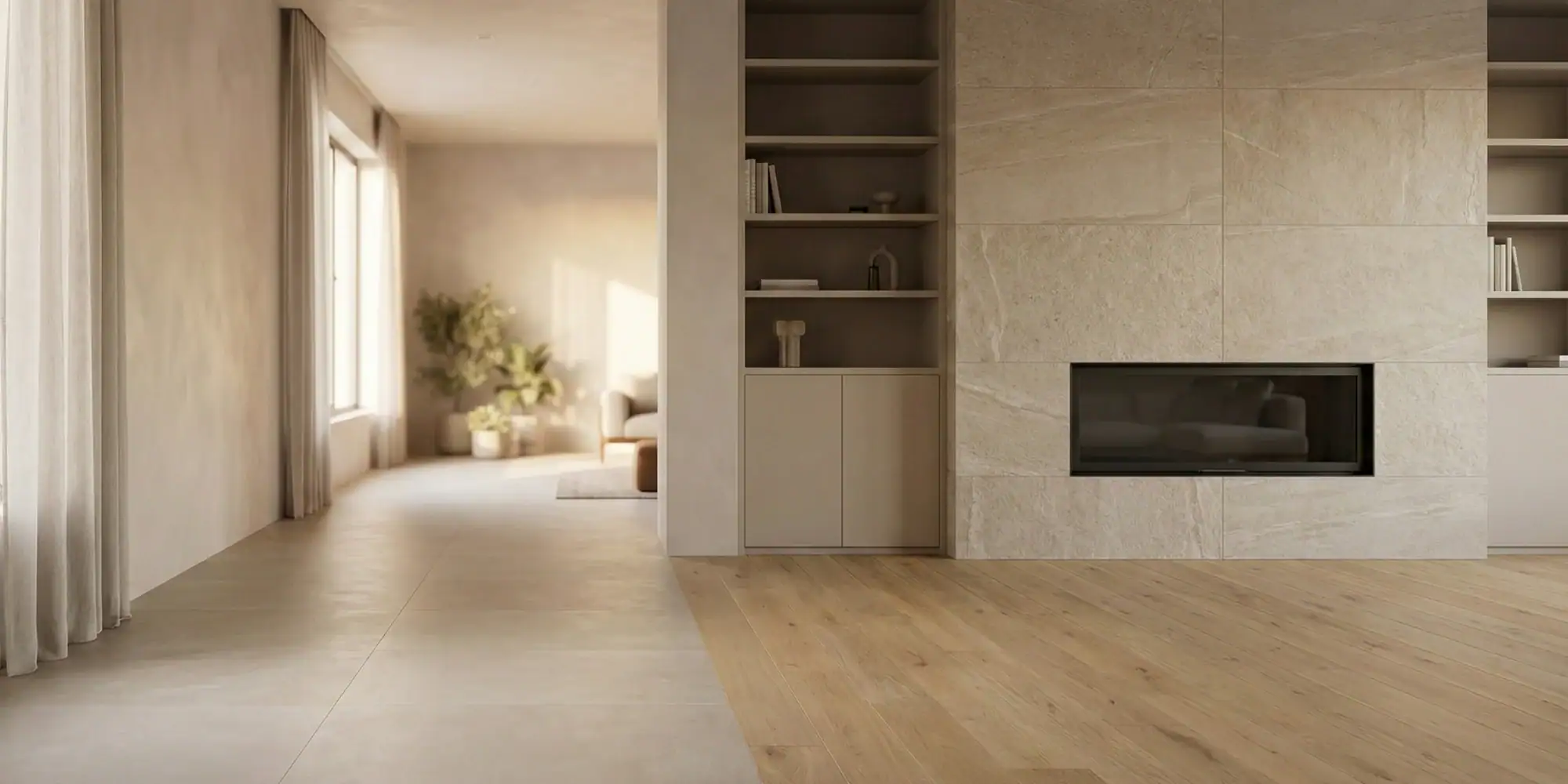
Flooring takes a beating in kitchens and bathrooms. Water, dropped items, constant foot traffic, temperature changes. You need something durable that also looks good. Luxury vinyl plank has surged in popularity because it’s waterproof, scratch-resistant, and comes in styles that mimic hardwood or stone. Tile remains a classic choice—porcelain and ceramic handle moisture well and offer endless design options. Hardwood can work in kitchens if you choose the right finish and stay on top of spills, but it’s riskier in bathrooms.
The key is matching the flooring to how you actually live. If you have kids, pets, or a habit of spilling things, prioritize durability and easy maintenance over aesthetics. A floor that looks stunning but shows every scratch will frustrate you within months.
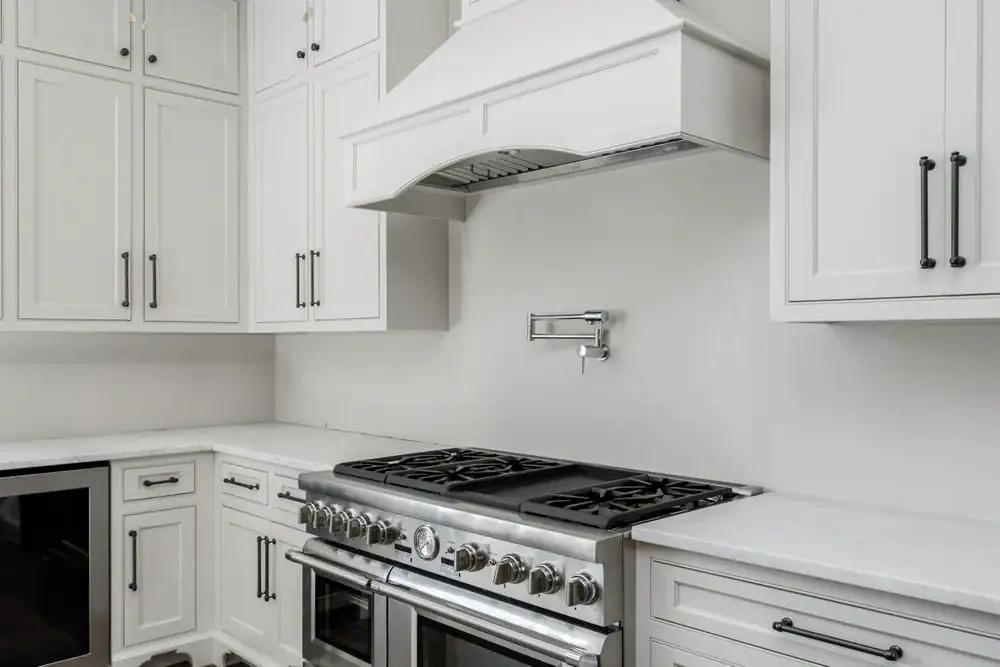
Cabinets eat up the largest chunk of most remodeling budgets—often 30 to 40 percent of the total cost. That’s because they’re not just storage; they define the entire look and functionality of the space. Stock cabinets are the budget-friendly option, available in standard sizes and finishes. Semi-custom gives you more flexibility in sizing and features. Full custom means everything is built to your exact specifications, but you’ll pay for that precision.
Quality matters more than you think. Cheap cabinets with particle board construction and flimsy hardware start falling apart within a few years. Solid wood or plywood construction with soft-close hinges and full-extension drawers costs more upfront but lasts decades. When you’re spending this much on a remodel, cutting corners on cabinets rarely pays off.
Think about how you use your kitchen or bathroom. Do you need deep drawers for pots and pans? Pullout shelves for easy access? A lazy Susan in that corner cabinet? Dedicated space for a microwave or trash bin? These functional details matter more than decorative touches you’ll stop noticing in six months.
Here’s what nobody tells you about remodeling: the hardest part isn’t picking materials or managing the budget. It’s living through the actual construction while keeping your routine somewhat intact and your stress levels manageable.
The projects that go smoothly share a few things in common. Realistic expectations about timelines and disruptions. A temporary setup that actually functions. Open communication with contractors. And homeowners who accept that some chaos is part of the process.
If you’re in Wake County, NC or Horry County, SC and staring down a kitchen or bathroom remodeling project, know that it’s doable. Thousands of homeowners make it through every year with their sanity mostly intact and a space they’re genuinely excited about. The key is preparation, patience, and working with people who understand that this is your home, not just another job site. We’ve helped families across North Carolina and South Carolina navigate these projects for over 25 years, turning outdated spaces into ones worth the temporary inconvenience.
Summary:
Share: