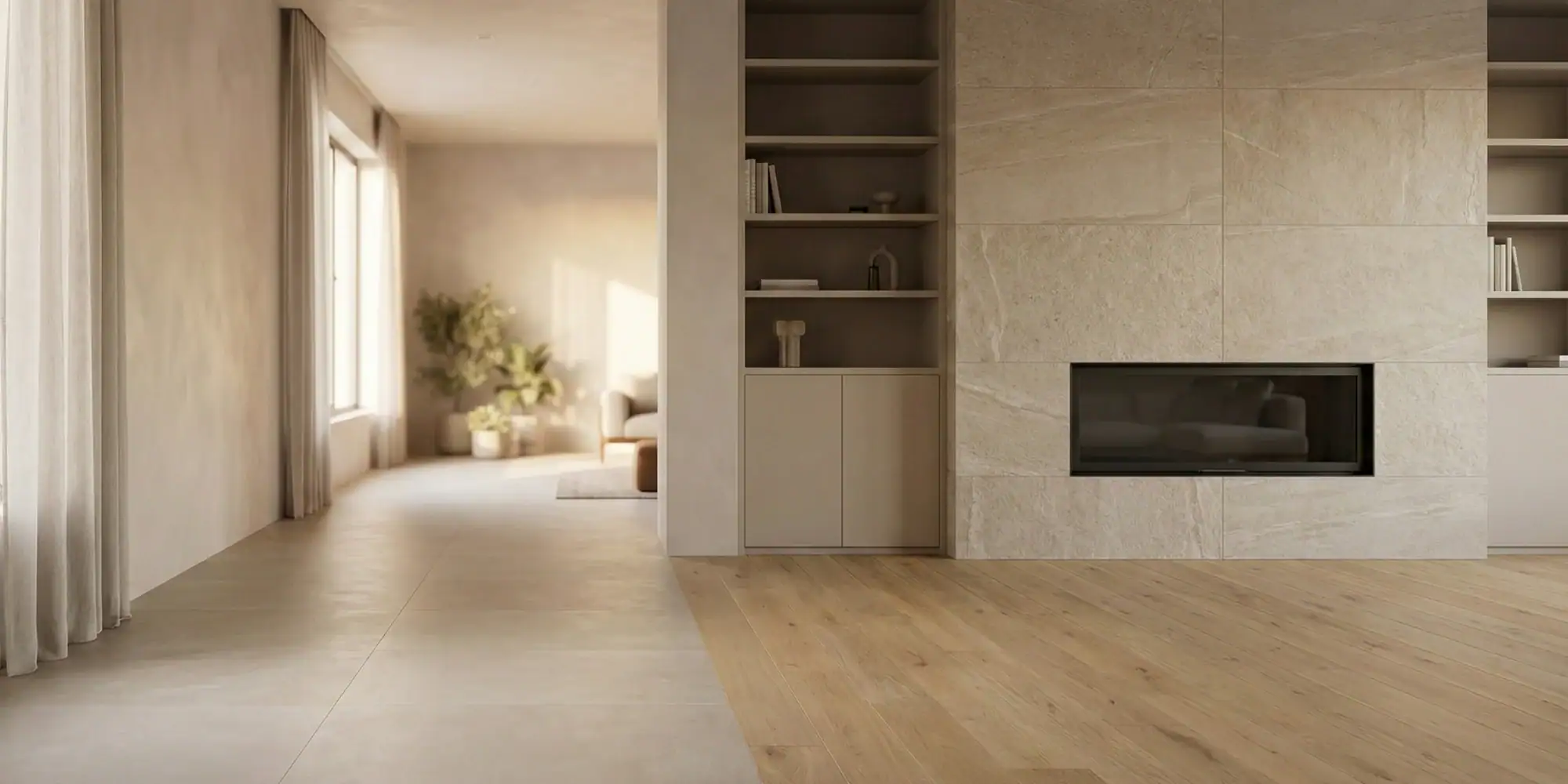
Your bathroom is stuck in the past. Here's what modern bathroom remodeling looks like—from spa-inspired layouts to the real ROI you can expect in 2026.
Bathroom remodeling isn’t what it used to be. It’s no longer just about replacing cracked tile or swapping out a vanity.
Homeowners are rethinking the entire purpose of the space. The shift is toward wellness—bathrooms that feel restorative, not just functional. Walk-in showers with bench seating. Heated flooring for cold North Carolina and South Carolina mornings. Lighting that doesn’t make you look like you’ve been awake for three days.
And it’s not just about luxury. It’s about practicality. Bathrooms from 20 years ago weren’t built for how we live now. Storage is lacking. Layouts are cramped. Fixtures waste water and drive up utility bills. A modern bathroom remodel addresses all of that while giving you a space that actually feels good to be in.
You’ve seen the phrase “spa-like bathroom” everywhere. But what does that mean when you’re not running a resort?
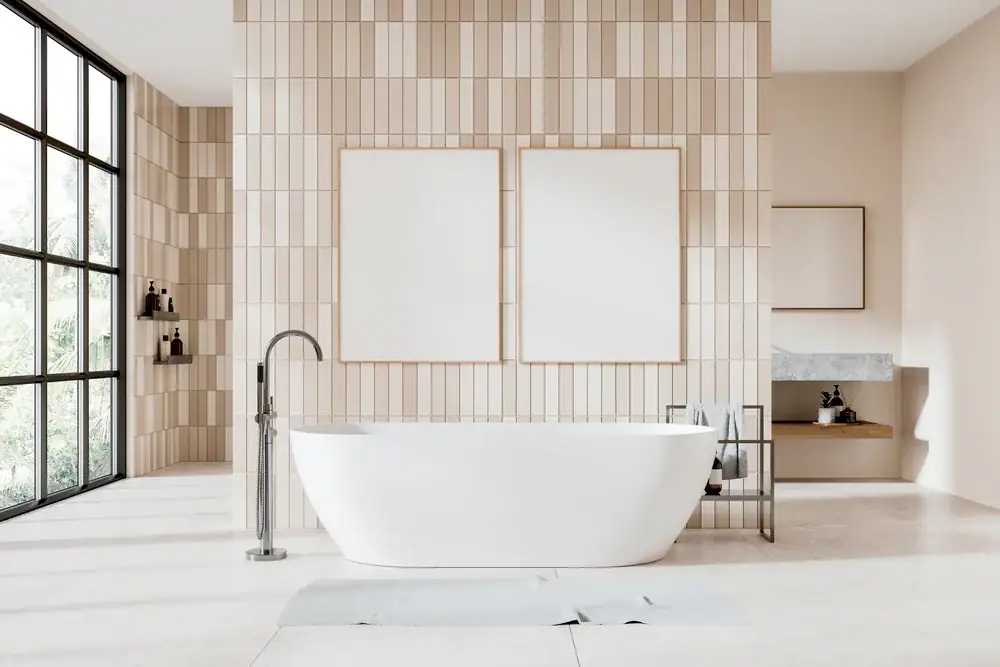
It means intentional design. Warm, natural materials like stone and wood that feel grounded instead of clinical. Soft, layered lighting that shifts with the time of day. Textures that invite you to slow down—fluted tile, honed finishes, organic palettes in sage, clay, and soft beige. These aren’t decorator tricks. They’re design choices that change how a space feels.
Spa-inspired doesn’t mean expensive for the sake of it. It means thoughtful. A freestanding tub positioned near a window. A curbless shower with rainfall and handheld options. Built-in niches that eliminate counter clutter. These upgrades aren’t just nice-to-haves. They change how the space functions every single day.
Here’s what matters: this approach holds its value. Mid-range bathroom remodels consistently deliver 70-80% ROI, making them one of the smartest home improvement investments you can make in 2026. You’re not just upgrading for now. You’re adding lasting value to your home while improving your daily quality of life.
The reason this style resonates is simple. People are tired of cold, sterile spaces. They want bathrooms that feel like a retreat. Natural light through frosted or textured glass. Warm wood vanities instead of stark white cabinets. Earthy tones that calm instead of overwhelm. It’s a shift from “efficient” to “restorative.”
Technology plays a role too, but it’s subtle. Digital shower controls that remember your preferred temperature. Heated floors programmed to your schedule. Motion-sensor ventilation that prevents mold without you thinking about it. The tech improves comfort without dominating the design.
What ties it all together is cohesion. Every element—from the tile pattern to the hardware finish—works as part of a larger whole. That’s what separates a spa-inspired bathroom from one that just looks nice in photos. It functions beautifully in real life.
Let’s talk numbers. Bathroom remodeling costs vary wildly, and understanding why helps you make smarter decisions.
For a full bathroom in 2026, expect to invest anywhere from $10,000 to $30,000 for a mid-range remodel. That includes new fixtures, quality tile work, updated plumbing, proper waterproofing, and professional installation. Smaller powder rooms or cosmetic updates can run $5,000 to $10,000. High-end renovations with custom features, layout changes, and luxury materials can exceed $40,000.
What drives the cost? Labor. It’s often 40-65% of your total budget. Skilled tile installers, plumbers, and electricians aren’t cheap, but they’re worth it. Poor installation is expensive to fix later, and it shows immediately. Materials matter too. Porcelain tile costs more than ceramic but lasts longer. Quartz countertops outperform laminate. Quality fixtures reduce maintenance headaches down the road.
Here’s what people overlook: the hidden work. Proper waterproofing behind tile. Adequate ventilation to prevent mold. Electrical upgrades for modern lighting. Plumbing adjustments for new fixture placement. These aren’t flashy, but they determine if your remodel holds up or becomes a problem in five years.
ROI matters. A well-executed bathroom remodel typically recoups 60-70% of its cost when you sell. But the real return happens daily. Lower water bills from efficient fixtures. Fewer repairs because everything’s done right. A space that supports your routine instead of fighting it.
If you’re in Wake County, NC or Horry County, SC, regional factors come into play too. Labor rates, material availability, permit requirements—these vary by location. Working with a local bathroom remodeling company that understands the area saves you time and prevents costly mistakes. We know which materials hold up in humid coastal climates. We understand local building codes. We have relationships with reliable suppliers.
The bottom line: bathroom remodeling is an investment, not an expense. You’re paying for expertise, quality materials, and a space that functions beautifully for years. Cut corners on installation or materials, and you’ll pay more in the long run through repairs, replacements, and frustration.
Want live answers?
Connect with a American Dream Floor expert for fast, friendly support.
Not every bathroom needs a full gut job. But there are clear signs that yours is due for more than a fresh coat of paint and new towels.
Start with function. Does your layout work? Can two people use the space comfortably during the morning rush? Is there enough storage, or are counters constantly cluttered with products that have nowhere to go? If the answer is no, a remodel can fix that.
Then look at the condition. Cracked tile isn’t just ugly—it’s a water infiltration risk. Grout that’s crumbling or permanently discolored harbors mold. Leaky faucets waste water and signal aging plumbing. Persistent moisture or musty smells point to ventilation problems or hidden leaks behind walls. These aren’t cosmetic issues. They’re structural concerns that get worse and more expensive over time.
Some bathroom problems announce themselves loudly. Others are quieter but just as damaging.
Inadequate ventilation is a big one. If your mirror fogs up and stays that way for 20 minutes, or if you notice mold creeping back no matter how often you clean, your bathroom isn’t breathing properly. Moisture builds up, seeps into walls and subfloors, and causes rot. A proper remodel addresses this with upgraded exhaust fans, better airflow design, and moisture-resistant materials in the right places.
Outdated plumbing is another silent issue. Homes built before 2000 often have fixtures that waste water and pipes that are nearing the end of their lifespan. A slow drain might seem minor until it becomes a full clog requiring emergency service. A toilet that runs constantly can waste 3,000 gallons per day—that’s real money down the drain. Addressing these issues during a bathroom renovation prevents emergencies later and reduces your water bill immediately.
Then there’s the layout itself. Bathrooms designed decades ago didn’t account for modern needs. No room for double sinks when you’re both getting ready at the same time. Tubs that no one’s used in five years taking up valuable space. Doorways are too narrow for accessibility as needs change. Storage that doesn’t fit today’s hair tools, skincare products, and grooming essentials. These aren’t things you can fix with new hardware.
Lighting is often completely overlooked. A single overhead fixture creates harsh shadows and makes grooming difficult. You’re doing your makeup in the dark or shaving by guesswork. Proper bathroom lighting layers ambient, task, and accent sources. It changes how the space looks and how functional it actually is for daily use.
Safety matters more as time goes on. High tub walls become tripping hazards. Slick tile floors increase fall risk, especially when wet. Lack of grab bars limits independence. A thoughtful remodel incorporates these features without making the space look institutional. Comfort-height toilets, curbless showers, and slip-resistant flooring benefit everyone—not just older adults.
What ties these issues together: small problems compound. That minor leak becomes water damage behind your walls. Poor ventilation leads to mold that affects air quality. An inefficient layout wastes time every single day. Addressing them all at once through a comprehensive bathroom remodel makes more sense than patching things indefinitely and hoping they hold.
A real bathroom remodel isn’t just swapping fixtures and calling it done. It’s a systematic upgrade of every element that makes the space work.
Flooring comes first. Modern bathrooms use porcelain tile or luxury vinyl plank—materials that handle moisture, resist staining, and last for decades without showing wear. Heated flooring is becoming standard, not a luxury add-on. It’s energy-efficient and makes those early mornings in Wake County or Horry County significantly better. No more cold tile shock when you step out of the shower.
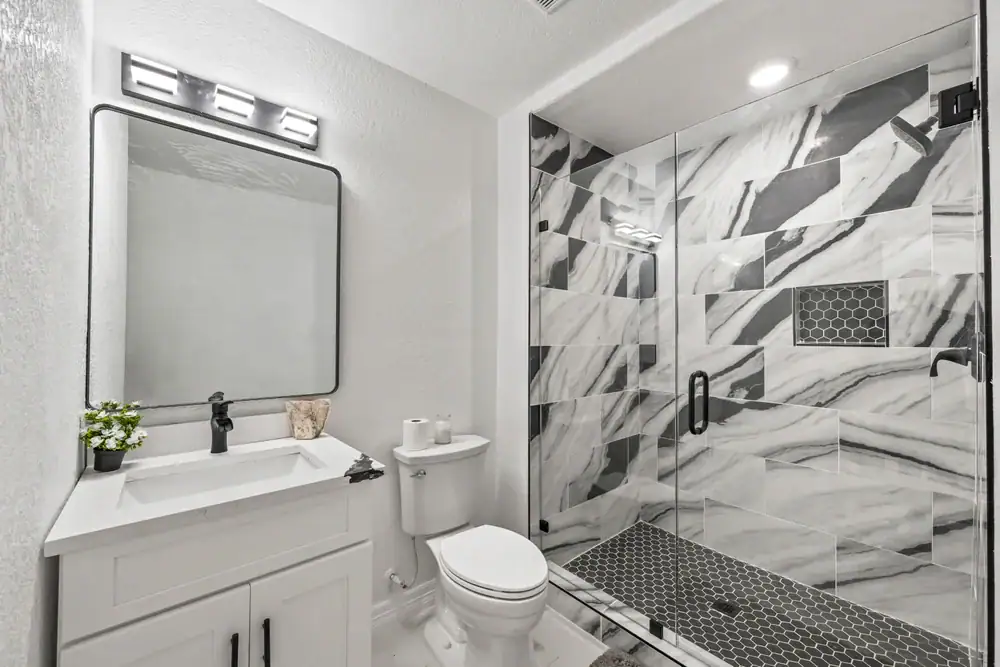
Tile work defines the visual and functional quality of the space. Large-format tiles reduce grout lines, which means less maintenance and a cleaner, more cohesive look. Natural stone or stone-look porcelain adds warmth without the upkeep headaches of real marble. Accent tiles in showers or behind vanities create visual interest without overwhelming the design. Proper waterproofing behind every single tile is non-negotiable—it’s what prevents mold, rot, and expensive repairs five years down the road.
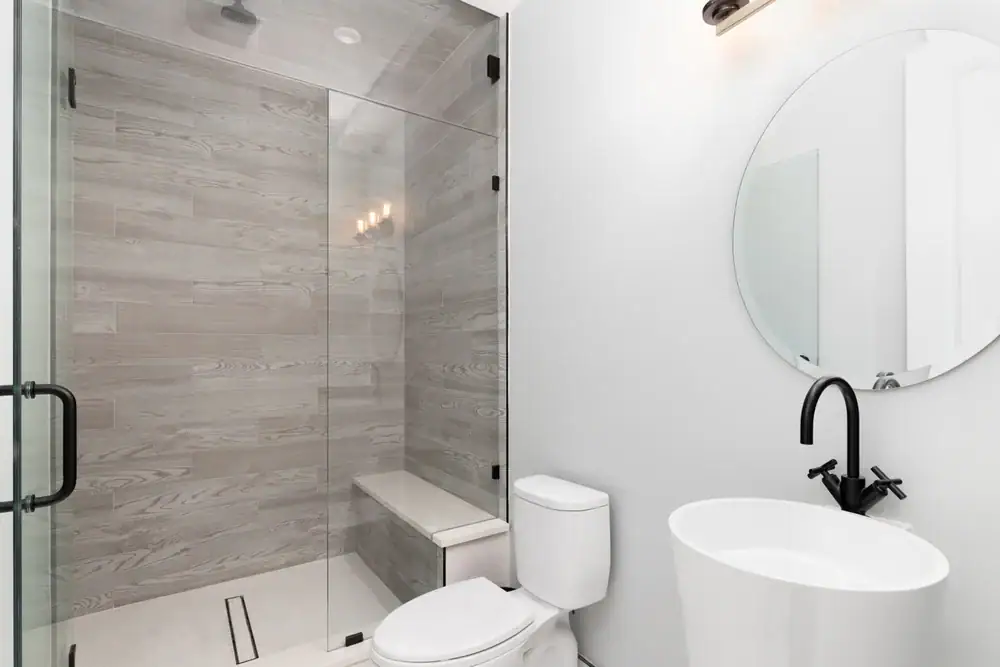
Showers are where you see the biggest shift in bathroom remodeling trends. Walk-in designs with minimal framing or frameless glass enclosures make the space feel open and airy. Curbless entries improve accessibility and create a seamless flow from floor to shower. Multiple shower heads—rainfall, handheld, body sprays—add function and that spa-level experience. Bench seating provides comfort and practicality. Built-in niches keep products organized without cluttering the space. Thermostatic valves maintain consistent temperature and prevent scalding, which matters if you have kids or elderly family members.
Vanities have evolved dramatically. Floating designs create the illusion of more space and make cleaning floors easier. Custom storage solutions organize products instead of hiding them in cluttered drawers where nothing’s findable. Quartz or solid-surface countertops resist moisture and staining better than tile ever did. Double sinks accommodate busy households where everyone’s getting ready at the same time. Soft-close drawers and doors add quality you feel every single day.
Lighting makes or breaks the entire space. Layered sources—recessed ceiling lights for ambient glow, sconces flanking mirrors for task lighting, accent lighting in niches for depth—create dimension and eliminate those harsh shadows that make you look tired. Dimmable controls let you adjust brightness for different times of day. Bright and energizing in the morning. Soft and calming at night. Backlit mirrors add both function and modern style.
Fixtures matter more than you’d think. Low-flow toilets and faucets reduce water usage without sacrificing performance—you won’t notice the difference except on your utility bill. Modern finishes like matte black, brushed nickel, or warm brass coordinate with the overall design instead of clashing. Quality hardware lasts longer and operates smoothly instead of sticking or leaking after a year.
Ventilation isn’t glamorous, but it’s absolutely critical. High-efficiency exhaust fans with humidity sensors prevent mold and moisture damage. Proper airflow protects your investment in flooring, cabinets, and walls. It maintains air quality and prevents that musty smell that creeps into bathrooms with poor circulation.
And then there are the finishing touches that elevate everything. Heated towel racks. Medicine cabinets with integrated outlets and lighting for charging devices. Niche shelving that keeps products accessible without creating counter clutter. These details transform the space from functional to exceptional—from a room you tolerate to one you actually enjoy using.
The key is integration. Every element works together—not as individual upgrades checked off a list, but as a cohesive system designed for how you actually live. That’s the difference between a bathroom remodel that looks good in photos and one that performs beautifully every single day for years.
Here’s what matters most: your bathroom should support your life, not complicate it. It should be a space you look forward to using, not one you tolerate out of necessity.
Modern bathroom remodeling addresses both function and feel. It solves the practical problems—poor layout, inadequate storage, aging fixtures, wasted water—while creating an environment that genuinely feels good. That’s the difference between a remodel that checks boxes on paper and one that changes how you experience your home every single day.
If you’re in Wake County, NC or Horry County, SC and your bathroom is showing its age, you’re not alone. Homeowners across the region are rethinking these spaces, and the results speak for themselves. Better function. Lower maintenance. Increased home value. And most importantly, a daily experience that doesn’t feel like a compromise.
We bring over 25 years of experience to bathroom remodeling projects throughout North Carolina and South Carolina. From flooring and tile work to complete bathroom transformations, we handle everything—design consultation, material selection, professional installation, and the follow-through that ensures everything works exactly as it should. With showrooms in both Raleigh and Myrtle Beach, we understand what works in your specific area and what holds up over time.
Summary:
Article details:
Share: